

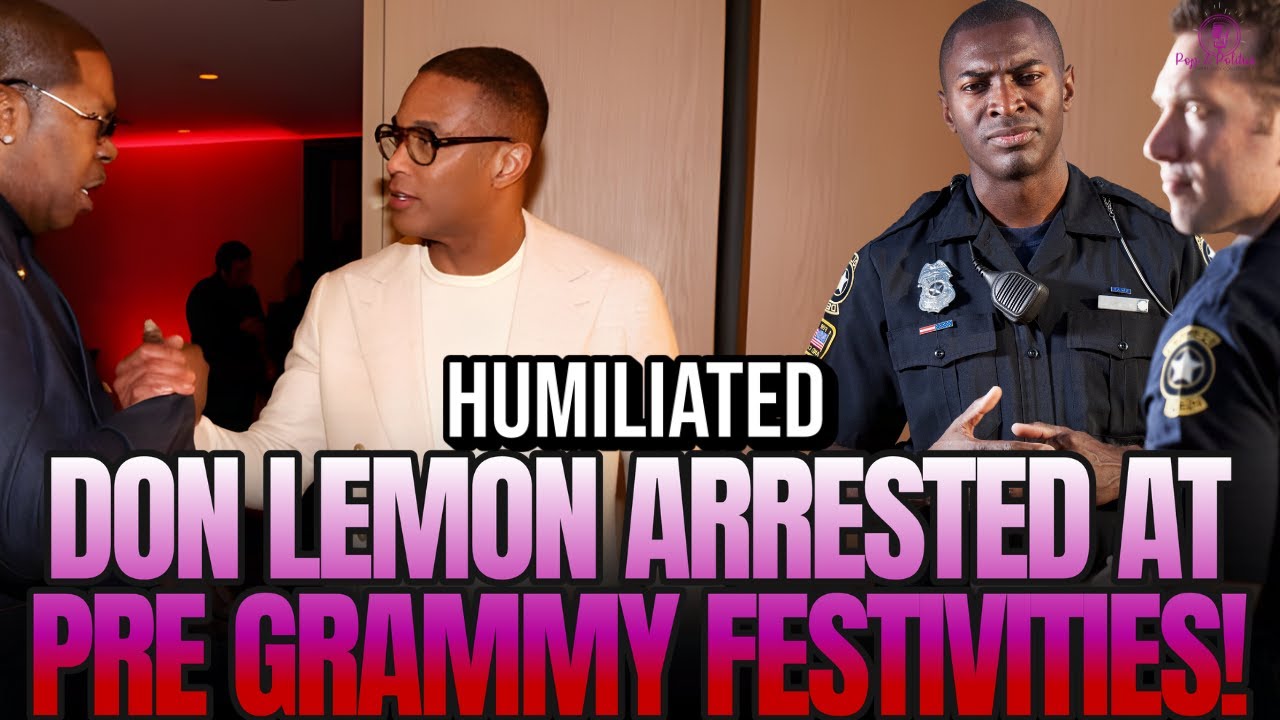
The double standard finally snapped. After years of watching the Biden Department of Justice weaponize the FACE Act against peaceful pro-life grandmothers, the same law is now being enforced against radical leftists who stormed a church in Minnesota, disrupted worship, and trapped congregants inside. Among those arrested and charged is Don Lemon, the longtime media personality now insisting—through tears—that his First Amendment rights were violated. The irony is not subtle, and the media meltdown that followed has only confirmed the point: free speech does not include the right to trespass, intimidate, or interfere with religious worship.
The incident at the center of the controversy involved a coordinated protest operation that deliberately targeted a church service. Video evidence shows Don Lemon embedded with activists ahead of the disruption, openly describing the plan as a “surprise operation” designed to catch people off guard and “hold them to account.” That language matters. It establishes intent, participation, and alignment with the activists—not detached reporting. When the protestors entered the church, worship was interrupted, congregants were frightened, and the pastor explicitly asked those involved to leave. Lemon stayed.
That distinction is crucial. The First Amendment protects speech, not unlawful conduct. It guarantees the right to report on events, not the right to participate in them—especially on private property after permission has been revoked. Courts have been clear on this for decades. Journalists have no greater right of access than the general public. If a private citizen cannot lawfully remain inside a building, neither can a journalist simply by holding a camera.
Lemon’s defense rests on the claim that he was “covering the news,” but the footage undermines that argument. He was not merely observing. He was coordinating, scouting locations, and expressing approval for the disruption before it occurred. Once inside the church, the line between reporting and participation vanished. At that point, the law applied to him exactly as it would to anyone else.
The charge itself matters as well. The FACE Act exists to protect access to places of worship and medical facilities from intimidation, obstruction, and interference. Under the previous administration, it was aggressively used against elderly pro-life activists who prayed or stood silently outside abortion clinics. The same political class and media figures who applauded those prosecutions are now outraged that the statute is being applied evenly. The sudden concern for civil liberties rings hollow.
What does the First Amendment actually protect?
It protects speech, press, assembly, and religion from government censorship or retaliation. It does not grant immunity from trespassing laws, nor does it shield activists who interfere with others’ constitutional rights, including the right to worship freely. Rights do not cancel each other out; they coexist within legal boundaries.
When does journalism become activism? The moment a reporter embeds with a protest group, helps plan or promote an action, or refuses lawful orders to leave private property, the role changes. Observation becomes participation. At that point, legal protections narrow significantly.
Why does this case resonate beyond Don Lemon? Because it exposes selective enforcement that Americans have watched for years. Conservative journalists and ordinary citizens were prosecuted aggressively for speech and presence during events like January 6, often under expansive interpretations of the law. Now, when a prominent left-leaning media figure faces consequences for clear statutory violations, the outrage machine suddenly discovers the Constitution.
CONCLUSION & NEXT STEPS
Don Lemon’s arrest is not an attack on press freedom. It is a long-overdue reminder that no one is above the law—not activists, not celebrities, and not members of the media class accustomed to immunity. The same rules that governed pro-life grandmothers and conservative journalists now apply across the board, and the reaction from the left proves how rare that equality has been.
For urban conservatives watching institutions finally enforce laws without regard to political alignment, this moment matters. It reinforces the principle that rights come with limits and responsibilities, and that religious freedom deserves the same protection as speech. Readers should continue following how courts apply the FACE Act moving forward, share this analysis with those still confused about the First Amendment, and stay engaged as equal enforcement slowly replaces selective justice.