

There is a difference between protest and provocation. What unfolded in a Minnesota church was not dissent, journalism, or civic engagement—it was an intentional act of intimidation designed to shame, disrupt, and dominate a place long understood as sacred. When activists storm a church mid-service, they are not “speaking truth to power.” They are declaring that nothing—not even worship—is off limits to political enforcement.
That should alarm anyone who believes the First Amendment still means something.
This Was Not Journalism—It Was a Coordinated Invasion
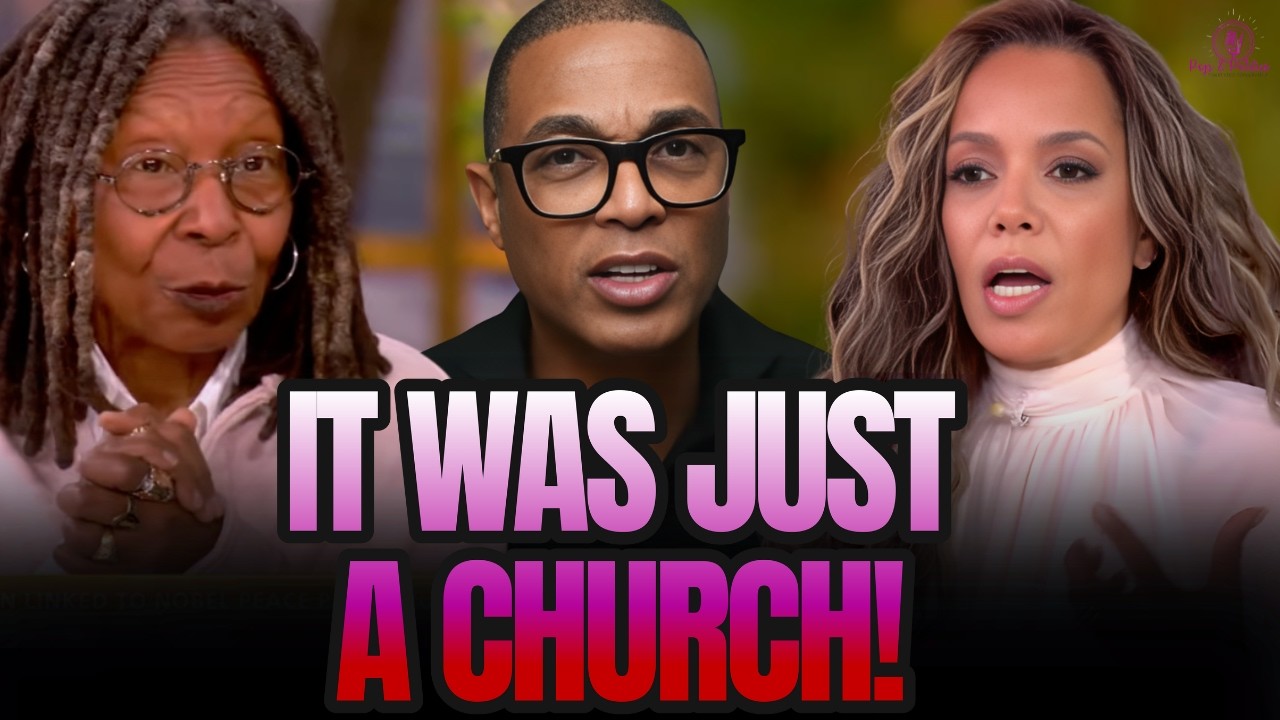
Don Lemon and his allies entered a church service knowing exactly what they were doing. The event was planned, filmed, and executed to maximize discomfort. Children were frightened. Parishioners were harassed. A pastor was cornered while attempting to protect his congregation. This was not reporting the news; it was manufacturing a spectacle.
Journalism observes. Activism agitates. What happened here was the latter, wrapped in the language of moral superiority. When Lemon claimed this was simply “making people uncomfortable,” he inadvertently admitted the goal. The discomfort was the point. The worshippers were the target.
Religious Liberty Is Only Sacred When the Left Approves
The same political class that treats churches as optional, outdated, or “nonessential” during crises suddenly demands access when it serves their agenda. During COVID, churches were shuttered while liquor stores stayed open. Now, those same institutions are told they must tolerate disruption in the name of protest.
This is not neutrality. It is hostility.
No serious person believes this would have happened in a mosque or synagogue without national outrage. The reason it happened in a church is simple: Christianity is viewed as safe to violate. The left no longer sees the church as a protected space, but as an obstacle—one that must be confronted, corrected, or shamed into submission.
The Law Was Weaponized—And Now It Applies
For years, federal law has been selectively enforced against Christians, particularly under statutes like the FACE Act. Pro-life grandmothers were prosecuted. Peaceful demonstrators were jailed. Now, the same law may finally be applied to those who disrupted a religious service.
That reversal matters.
If laws only protect favored groups, they are not laws—they are tools of control. Either religious freedom applies universally, or it exists at the pleasure of the ruling class. The moment activists believe they can invade a church without consequence is the moment the rule of law collapses into ideology.
Silence Has Consequences—and So Does Passivity
What was most revealing was not just the aggression of the protesters, but the broader cultural response. Too many voices rushed to justify the act. Too many leaders minimized it. Too many Christians have been conditioned to believe restraint equals righteousness.
It does not.
Faith was never meant to be silent, privatized, or defenseless. When the church refuses to defend its own boundaries, others will gladly redefine them. The erosion of religious liberty does not happen all at once—it happens one violation at a time, while polite society looks away.
This moment demands clarity. A church is not a stage. Worship is not a backdrop. And intimidation, no matter how fashionable, is still intimidation.
People Mentioned In This Episode
- Don Lemon — Former CNN anchor who participated in and documented the disruption of a Minnesota church service.
- Nikima Levy Armstrong — Activist and protest organizer behind “Operation Pullup,” who defended entering the church as justified activism.
- Jonathan Alexandre — Attorney with Liberty Counsel who outlined how the FACE Act and Ku Klux Klan Act may apply to the incident.
- Pastor David Easterwood — Church pastor named by activists as having ties to ICE, used as justification for the confrontation.
- Pam Bondi — Attorney General referenced as signaling potential DOJ scrutiny of the church invasion.
- Harmeet Dhillon — Assistant Attorney General for Civil Rights cited in discussions of possible federal action.
- Keith Ellison — Minnesota Attorney General who publicly minimized the applicability of federal statutes.
- Chris Cuomo — NewsNation host who interviewed the protest organizer following the incident.
- Pastor Damon — North Carolina pastor who forcefully rejected the activists’ theological and legal claims on air.
- Pramila Jayapal — Democrat congresswoman referenced as excusing the activists’ actions as understandable frustration.
- Jim Clyburn — Democrat congressman who appeared on The View making historical claims referenced in the episode.
- Sunny Hostin — The View co-host referenced during discussion of historical revisionism.