

Conservatives Split After Candace Owens Laughs at Druski’s Viral Erika Kirk Parody
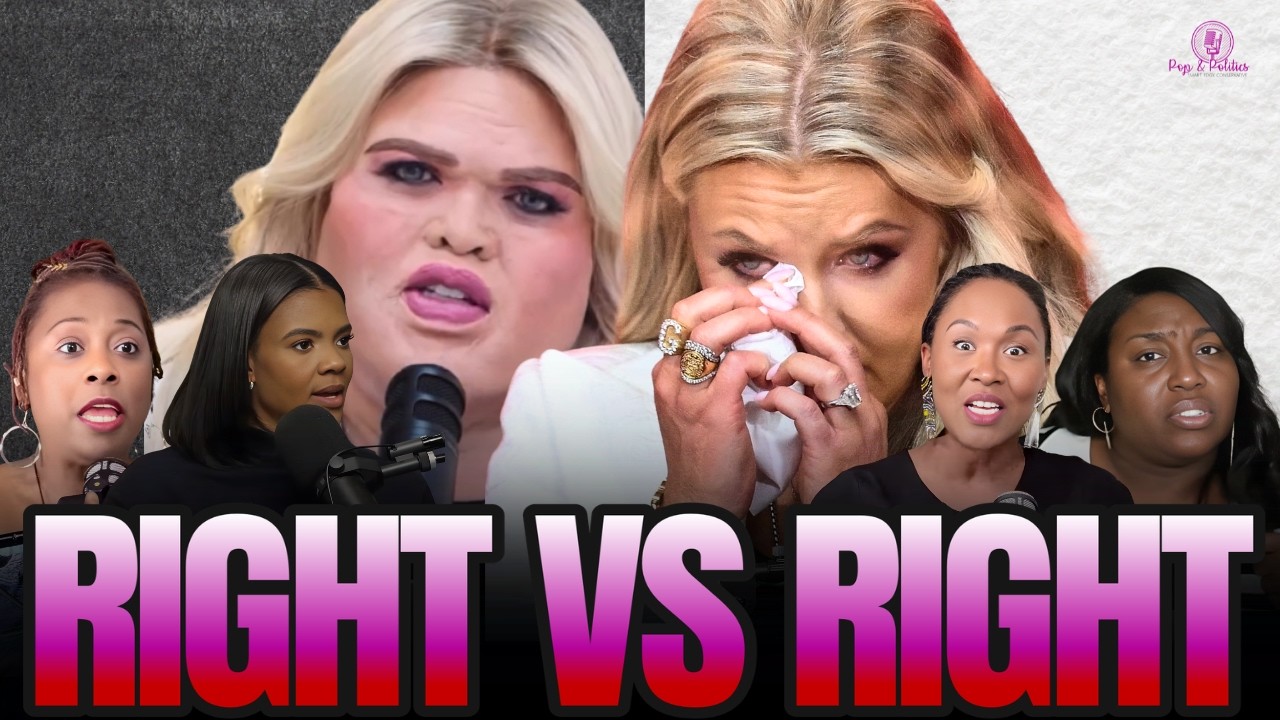
A viral comedy sketch from internet comedian Druski has ignited a fierce debate across conservative media after many viewers concluded the parody was aimed directly at Erika Kirk, widow of slain conservative activist Charlie Kirk. What began as a social media skit quickly escalated into a broader fight over political satire, Christian identity, media cruelty, and the limits of online commentary.
The controversy intensified after conservative commentator Candace Owens publicly praised the parody and laughed at the sketch during her reaction stream. That response immediately fractured conservative audiences, with some defending the video as harmless comedy while others condemned it as a targeted attack against a grieving widow.
The Druski clip mocked what he described as “conservative women in America,” portraying exaggerated religious language, performative patriotism, and social media influencer culture. Critics argued the impersonation was unmistakably modeled after Erika Kirk, citing similarities in tone, mannerisms, and styling.
For many conservatives, that distinction matters.
Charlie Kirk’s assassination remains one of the most emotionally charged moments in modern conservative politics. Erika Kirk became a public figure overnight after her husband’s death, and supporters argue she has endured relentless online accusations, conspiracy theories, and harassment ever since. Critics of the parody say using her likeness – even indirectly – crosses a moral line.
The backlash intensified because many viewers believe the sketch was not merely mocking conservative culture, but Christianity itself. Druski’s parody included exaggerated prayer language, Bible references, and religious symbolism that some Christian conservatives viewed as openly hostile toward believers.
That criticism exposed a growing divide inside the conservative movement.
One side argues satire should remain unrestricted, even when uncomfortable. Defenders of the sketch pointed out that comedians have mocked every political and cultural group for decades. They argue conservatives lose credibility when they condemn jokes aimed at their own side after spending years criticizing “cancel culture.”
Others insist this situation is fundamentally different because it involves a widow whose husband was murdered in front of the world. Many compared the reaction to how the media would respond if similar jokes targeted Vanessa Bryant after Kobe Bryant’s death or Lauren London following Nipsey Hussle’s murder.
The Candace Owens reaction added fuel to an already volatile debate.
Owens defended the parody by arguing some conservative influencers hide behind Christianity while engaging in online gossip, vanity, or political tribalism. Critics fired back, accusing Owens of using Erika Kirk as a proxy in a broader war against evangelical conservatives and Christian content creators.
That argument has become increasingly common in right-wing media circles.
Some conservatives now openly question whether faith-based political commentary online has become performative or commercialized. Others argue Christians have an obligation to apply biblical principles to every part of public life, including politics, culture, media, and entertainment. The disagreement reflects a deeper identity struggle inside the modern conservative movement: whether faith should remain personal and private or serve as the foundation for political activism.
The larger issue is not simply whether Druski’s parody was funny.
The real question is what happens when internet culture, political tribalism, and influencer economics collide with grief and public trauma. Social media rewards outrage, humiliation, and conflict. Algorithms amplify division. And increasingly, even conservatives are turning on each other for clicks, engagement, and audience capture.
For many viewers, the Erika Kirk controversy represents something bigger than one sketch comedian or one podcast reaction. It reflects a movement struggling to decide whether every public figure is fair game forever – even after personal tragedy.
That debate is not ending anytime soon.