


Venezuela’s Collapse Is a Warning to America as Democrats Struggle to Distance Themselves From Socialism
The political collapse of Venezuela has once again forced Americans to confront an uncomfortable reality: socialism does not fail because of bad messaging or foreign interference. It fails because concentrated government power eventually destroys economic stability, personal freedom, and social order.
That debate exploded back into public view after renewed unrest surrounding Venezuelan dictator Nicolas Maduro and growing international pressure following disputed election results. Protesters flooded the streets of Caracas after opposition leaders claimed Maduro refused to accept electoral defeat. Reports of violent crackdowns and political repression quickly followed, reigniting global scrutiny of the socialist regime.
For many conservatives, Venezuela is not just a foreign policy story. It is a cautionary tale about where radical progressive politics eventually lead when government power replaces free markets, accountability, and constitutional restraint.
The modern Venezuelan disaster began under Hugo Chavez, who sold socialism to voters as a moral crusade against corruption and inequality. Chavez nationalized industries, centralized political authority, and redirected oil profits into massive government programs. At first, supporters celebrated the redistribution efforts. But the system depended entirely on state control and oil revenue instead of sustainable economic growth.
When oil prices shifted and infrastructure deteriorated, the illusion collapsed.
Under Maduro, the situation became catastrophic. Hyperinflation destroyed savings. Food shortages became widespread. Citizens fled the country by the millions. Venezuelans reportedly scavenged for food, endured fuel shortages despite living in an oil-rich nation, and watched their country deteriorate into economic ruin.
Critics of American capitalism often argue that sanctions and Western influence caused Venezuela’s suffering. But that argument ignores the core reality: socialist leadership dismantled private enterprise, crushed economic incentives, and failed to reinvest in the industries that sustained the country’s economy.
Even China, still governed by a communist political structure, embraced market-driven economics because centralized socialism could not adequately support its population. Cuba remains economically frozen in time after decades of authoritarian rule and dependency. Venezuela simply became the latest example in a long line of failed socialist experiments.
That is why many conservatives are increasingly alarmed by the normalization of democratic socialism in American politics.
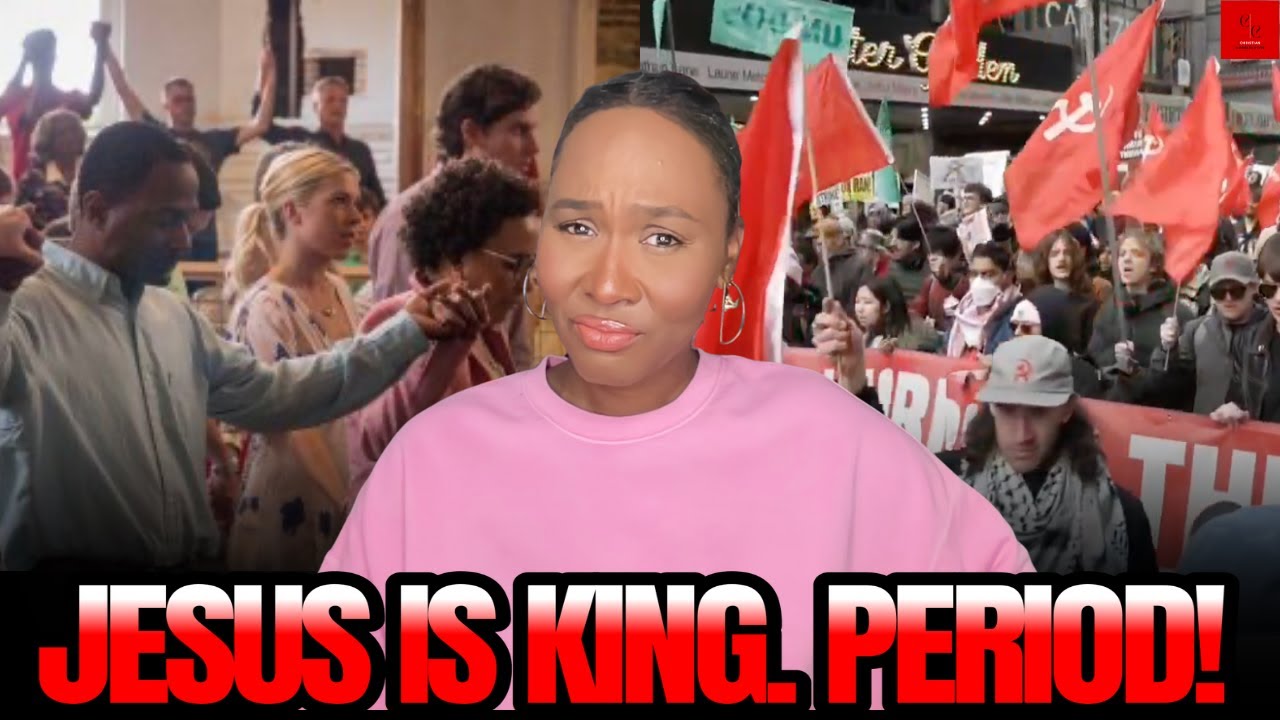
New York City Mayor Zohran Mamdani has openly embraced socialist rhetoric while simultaneously struggling to clearly condemn authoritarian socialist regimes abroad. During interviews, Mamdani criticized efforts aimed at regime change in Venezuela while also signaling support for controversial international legal actions against Israeli Prime Minister Benjamin Netanyahu.
To many Americans, that contradiction exposes a deeper ideological problem. Progressive activists frequently condemn American power and capitalism while downplaying the failures of authoritarian governments that promise equality but deliver repression.
The Venezuela debate also highlights a larger cultural divide inside the United States.
Conservatives increasingly argue that strong leadership, national sovereignty, and economic freedom are necessary to preserve stability. Supporters of Donald Trump view his foreign policy posture as a rejection of decades of weakness, global instability, and political hesitation. They see strength as a deterrent against hostile governments, criminal networks, and ideological movements that exploit American division.
At the same time, many voters are beginning to notice how quickly major American cities are adopting rhetoric centered around centralized control, identity politics, and anti-capitalist narratives. Critics warn that these policies create the same conditions that historically empower authoritarian systems: dependency, bureaucratic expansion, and the erosion of individual responsibility.
The lesson from Venezuela is not complicated. A nation can possess enormous natural wealth, educated citizens, and abundant resources and still collapse when ideology replaces competence.
Socialism consistently promises fairness while concentrating power into the hands of political elites. The result is almost always the same: inflation, corruption, censorship, shortages, and eventually force.
That matters for urban conservatives because America’s largest cities increasingly serve as testing grounds for policies rooted in the same worldview that devastated Venezuela.
Voters do not have to accept that future.
The warning signs are visible. The historical record is clear. And as Venezuela continues struggling to recover from decades of socialist rule, Americans should take a hard look at where similar ideas are gaining traction at home.