

Renee Good Shooting Raises Bigger Questions About Radical Activism and America’s Cultural Breakdown
The fatal shooting of Minneapolis activist Renee Nicole Good during an ICE operation has ignited another national flashpoint in the debate over immigration enforcement, political extremism, and the growing hostility toward law enforcement in America.
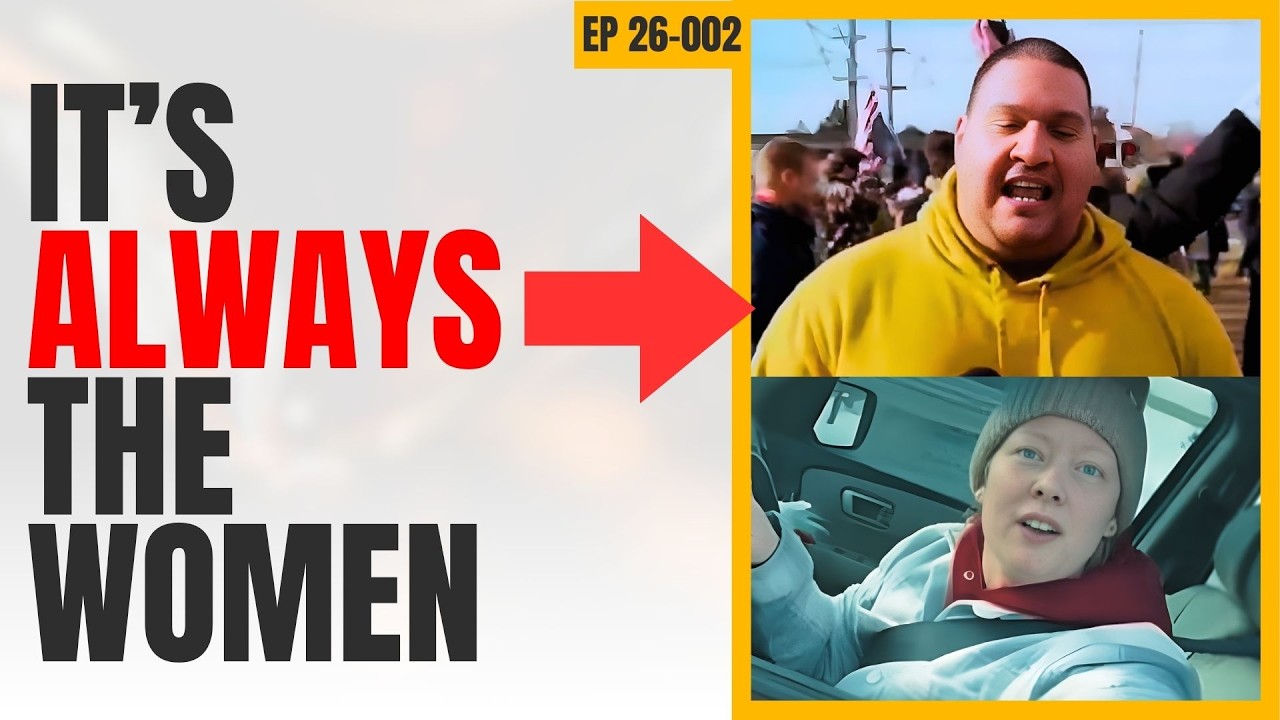
Federal investigators say Good was connected to an “ICE watch” activist network that monitored and attempted to interfere with immigration enforcement operations in Minneapolis. According to reports discussed during the episode, agents were conducting a lawful operation when a confrontation escalated, ending with an ICE officer firing after a vehicle reportedly moved toward federal personnel. Supporters of Good insist the shooting was unjustified, while critics argue the incident reflects the dangerous consequences of radical anti-law-enforcement activism.
What makes this case politically explosive is not just the shooting itself, but the broader ideological movement surrounding it. Protesters immediately flooded Minneapolis streets, anti-ICE demonstrations intensified, and social media activists framed the incident as proof of government oppression. Yet many conservatives see something entirely different: a culture that increasingly glorifies confrontation with authority while dismissing personal responsibility.
The discussion centered heavily on what participants described as the normalization of extremist political behavior. Speakers repeatedly argued that activist groups are encouraging ordinary citizens to interfere directly with federal operations without understanding the legal or physical risks involved. One of the clearest points raised was simple: Americans have long understood that confronting armed law enforcement officers, especially with a vehicle, can quickly turn deadly.
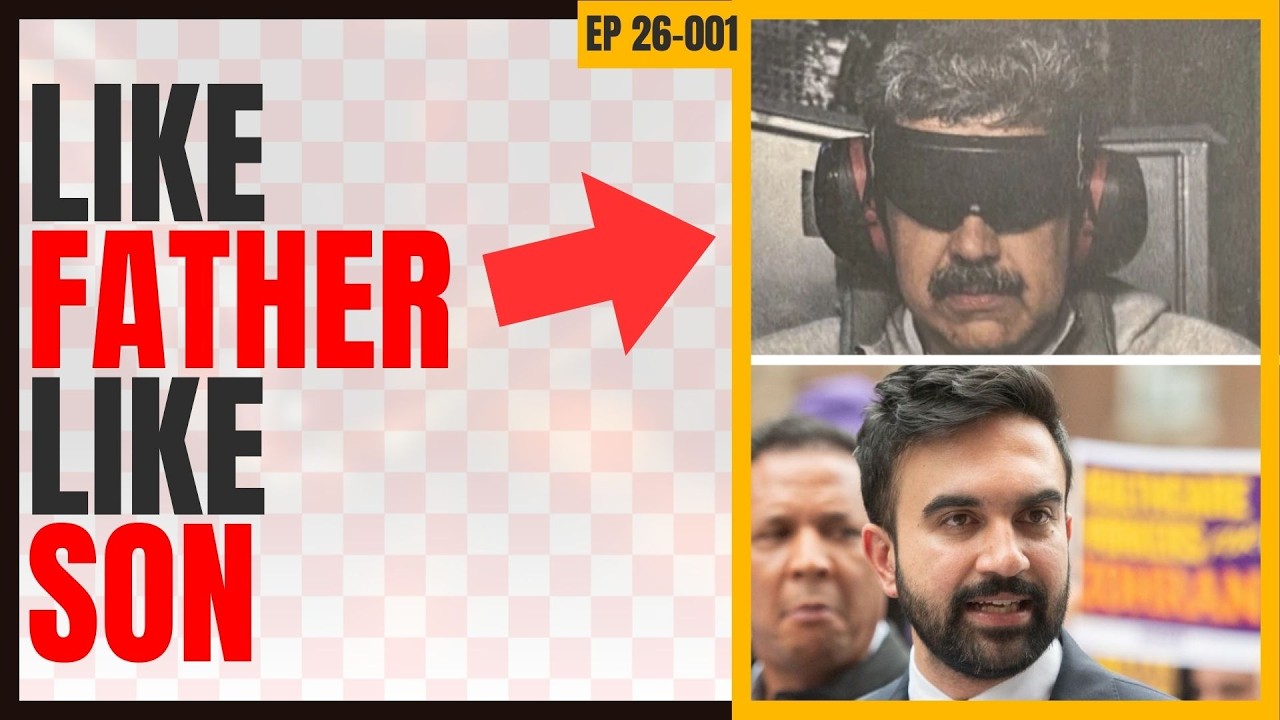
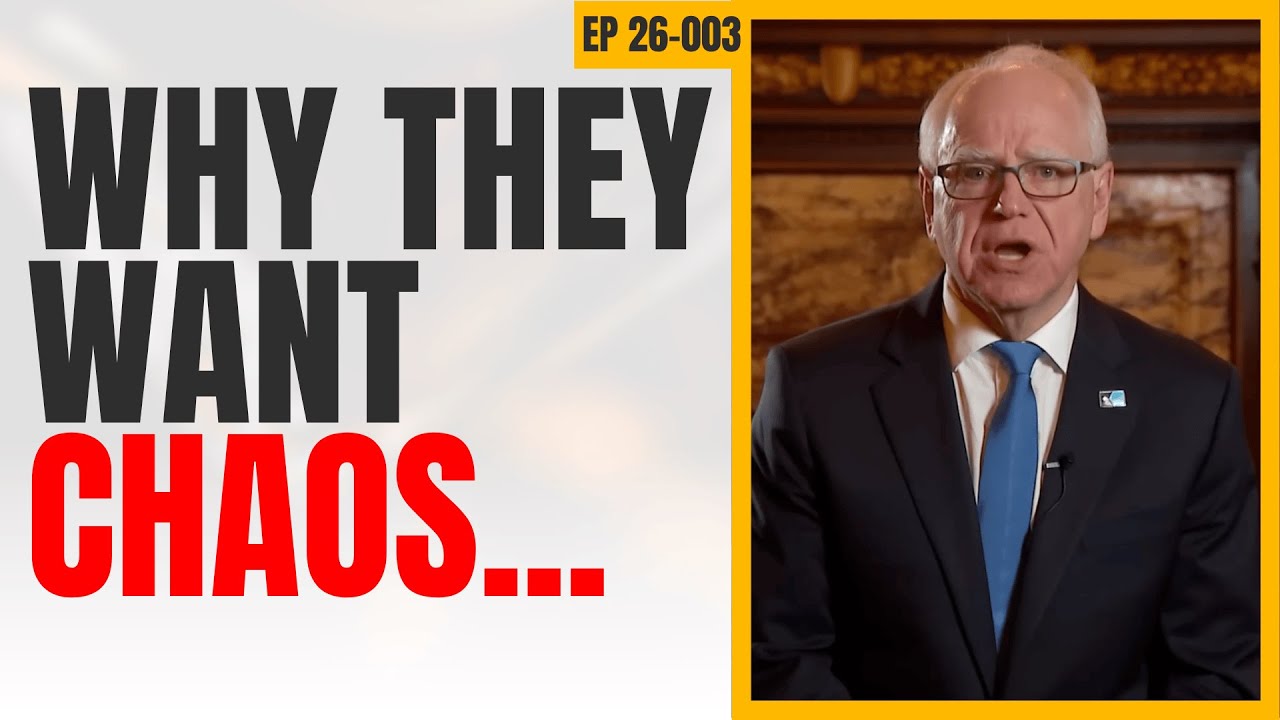
The larger concern expressed throughout the conversation was the belief that modern activism has evolved beyond protest into something more militant and ideological. Participants connected the Minneapolis unrest to a broader rise in socialist and Marxist political rhetoric appearing in major American cities, including Minneapolis, Seattle, Portland, Chicago, and New York. Figures like Zohran Mamdani and progressive city leaders were cited as examples of a political culture increasingly hostile to traditional law enforcement, national borders, and constitutional order.
A major theme running throughout the discussion was the collapse of social structure inside the American family. Speakers argued that decades of rising divorce rates, absent fathers, and politicized education systems have weakened traditional authority in the home and created generations more vulnerable to ideological radicalization. The panel specifically referenced social justice-focused schooling connected to Good’s child and argued that activist education often conditions both parents and children toward permanent political agitation rather than civic responsibility.
The conversation also touched on a growing frustration many conservatives feel about selective outrage in media coverage. Participants argued that progressive activists frequently frame violent or confrontational actions as “resistance” while condemning any strong federal response as authoritarian. That perceived double standard, they claimed, is driving political polarization even deeper.
Beyond immigration politics, the episode expanded into a broader critique of modern American culture. The hosts discussed declining trust in institutions, the effects of social media manipulation, falling testosterone levels among men, and what they described as a culture increasingly hostile to masculinity, discipline, and accountability.
At the center of the debate was one core question: how did America reach a point where ordinary citizens feel justified confronting armed federal agents in the streets?
For many urban conservatives, the answer lies in decades of institutional drift. They argue that government dependency, activist education, and media-driven ideological narratives have slowly eroded the cultural norms that once emphasized law, order, family stability, and personal responsibility.
Whether Americans agree with that diagnosis or not, the Minneapolis shooting has become far more than a local tragedy. It now stands as another symbol of a nation deeply divided over authority, citizenship, policing, and the future direction of American culture.
And with tensions rising ahead of the 2026 election cycle, incidents like this are unlikely to remain isolated political flashpoints. They are becoming defining battles in the larger fight over what kind of country America intends to be.