

Trump’s Fourth of July Celebration Highlights America’s Divide Over Patriotism
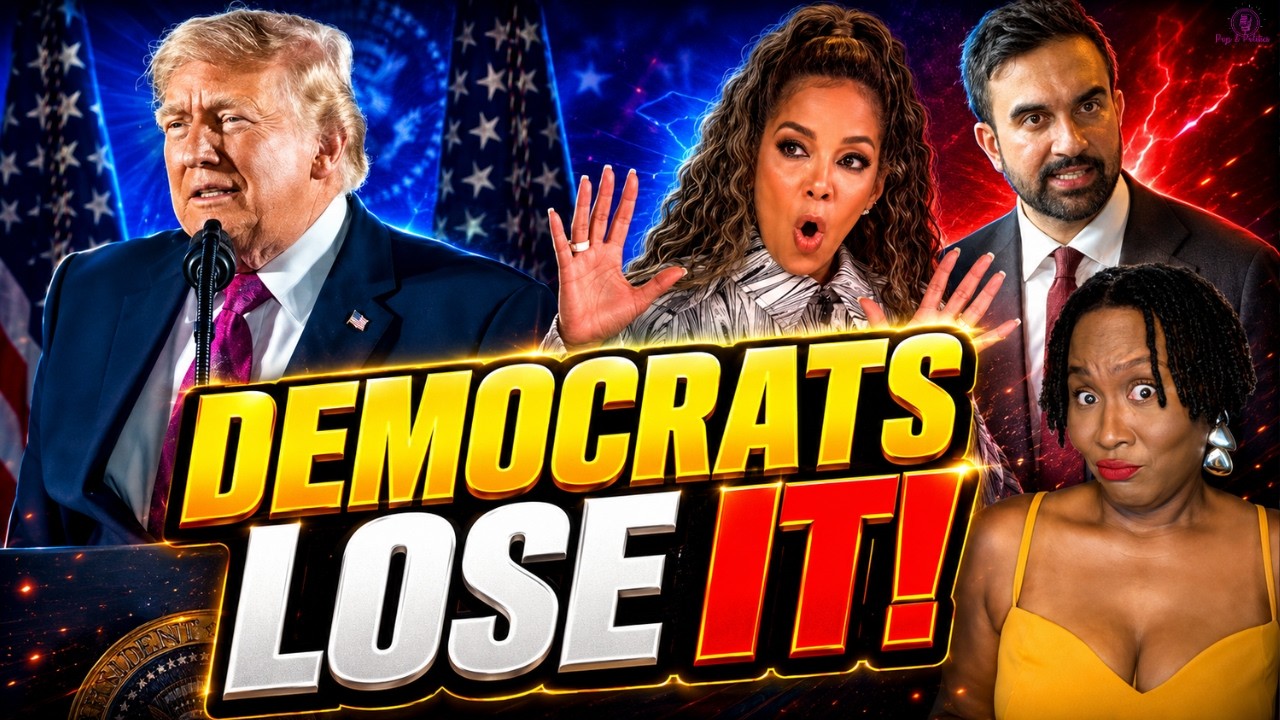
President Donald Trump’s Fourth of July celebration became more than a patriotic event. It quickly evolved into a cultural and political flashpoint as supporters praised a nationwide display of American pride while several prominent Democratic voices used the holiday to criticize the country’s history, symbols, and direction.
With preparations underway for America’s 250th anniversary, Trump’s Independence Day message focused on national unity, American history, and the principles of liberty. Against the backdrop of Mount Rushmore, the celebration featured fireworks, American flags, and tributes to the nation’s founding. For supporters, it represented exactly what Independence Day is intended to be: a celebration of the country’s achievements despite its imperfections.
The contrast came almost immediately.
One of the more notable moments involved comedian Dave Chappelle, who surprised many by steering a politically charged interview back toward appreciation for America. While acknowledging disagreements with government policies, Chappelle emphasized that what he values most is the American people and the shared bond citizens experience both at home and abroad. His comments stood in sharp contrast to media coverage that many conservatives viewed as unusually somber during a national holiday.
That divide became even more apparent after The View co-host Sunny Hostin remarked that seeing neighborhoods filled with American flags can make her feel unsafe because she believes the flag has been associated with white supremacy by some Americans. Critics argued that such statements diminish a national symbol that has represented military service, sacrifice, and citizenship for generations.
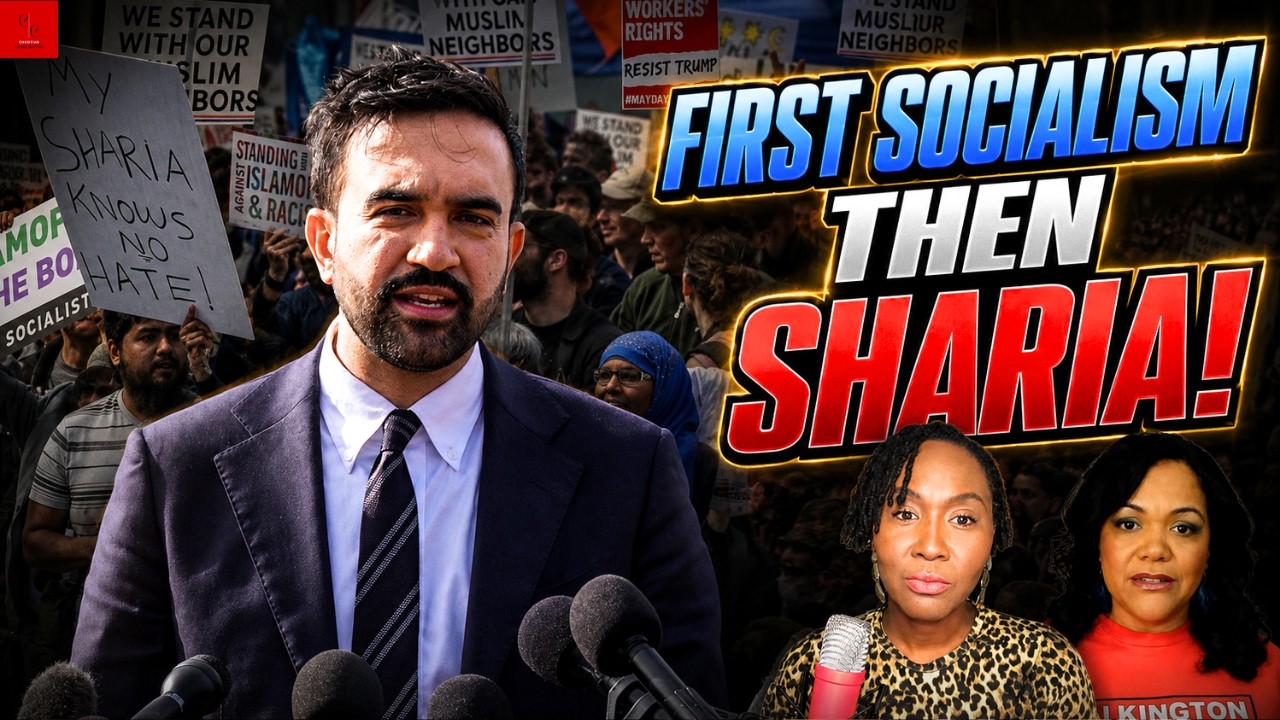
The debate extended beyond television. New York City mayoral nominee Zohran Mamdani delivered a Fourth of July message portraying America as a nation defined by inequality, exclusion, and concentrated power. His speech framed the country’s history as one of contradiction rather than celebration, arguing that America’s promise remains unfulfilled for many citizens.
Supporters of Trump viewed the remarks as another example of progressive leaders using Independence Day to focus primarily on the nation’s shortcomings instead of recognizing its accomplishments. They argue that while America has faced undeniable historical failures, the country’s founding principles have also created unmatched opportunities for freedom, economic mobility, and constitutional rights.
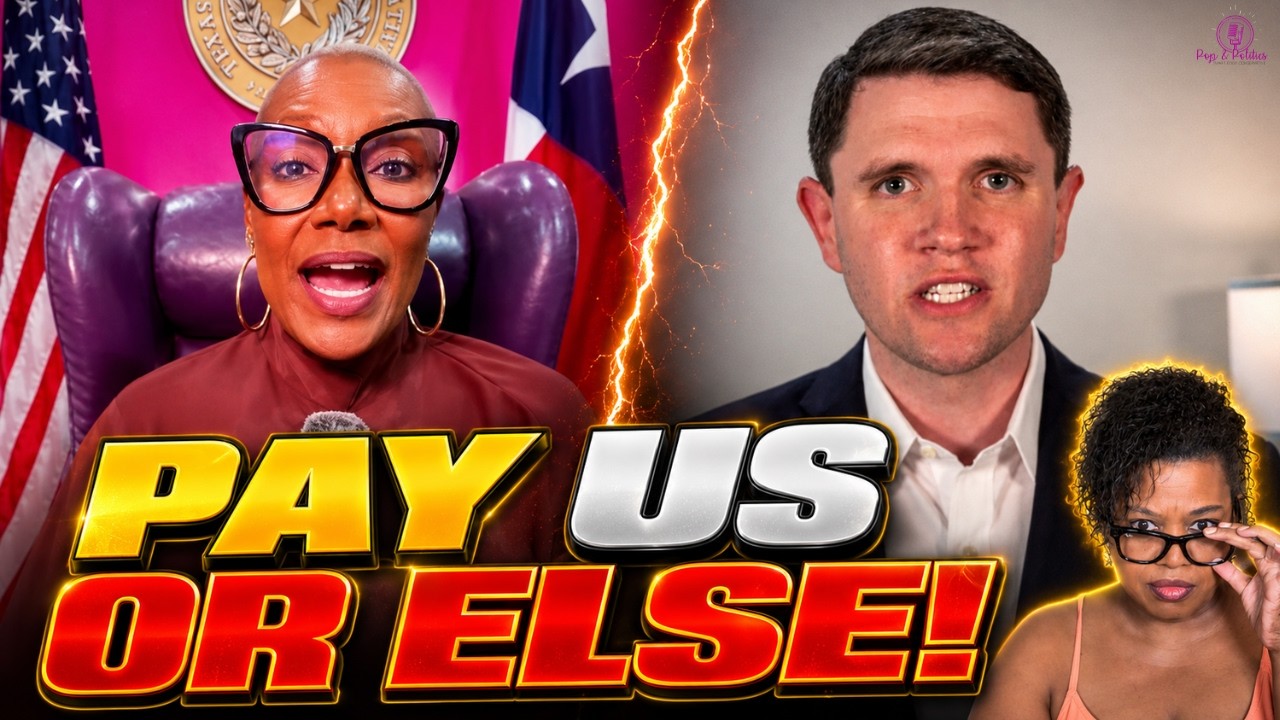
Representative Jasmine Crockett also drew criticism after releasing a Fourth of July message centered primarily on the contributions and sacrifices of Black women rather than the broader significance of Independence Day. Conservatives argued that the holiday should emphasize shared national identity instead of further dividing Americans into competing demographic groups.
These disagreements reflect a much larger debate taking shape ahead of America’s semiquincentennial celebration.
Supporters of Trump’s vision believe patriotism means acknowledging imperfections while still honoring the Constitution, the nation’s founding ideals, and the generations of Americans who defended those principles. They argue that national unity requires embracing a common identity built around citizenship rather than race, ethnicity, or political ideology.
Critics of progressive messaging contend that repeatedly framing America through the lens of oppression and historical grievance risks weakening national cohesion at a time when the country faces significant economic, geopolitical, and cultural challenges.
The discussion also reflects broader concerns about competing political philosophies. While conservatives increasingly warn about growing socialist and collectivist movements within the Democratic Party, they argue that America’s strength has always rested on individual liberty, constitutional government, free enterprise, and equal opportunity under the law.
As the nation moves toward its 250th birthday, the debate surrounding patriotism is unlikely to fade. Instead, it may become one of the defining political and cultural questions of the coming election cycle.
For many Americans, Independence Day remains more than a celebration of history. It is a reminder that preserving the nation’s founding ideals requires every generation to decide what those principles mean and whether they are still worth defending.