

Black Democratic Leaders Say James Talarico Has a Texas Problem Money May Not Fix
For years, Democrats have relied on overwhelming support from black voters in statewide elections. Now, some influential black Democratic leaders in Texas are publicly arguing that the party has taken that support for granted, placing James Talarico’s statewide campaign squarely in the middle of an increasingly public dispute.
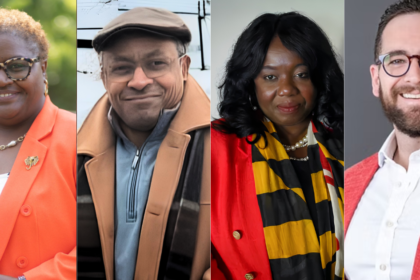
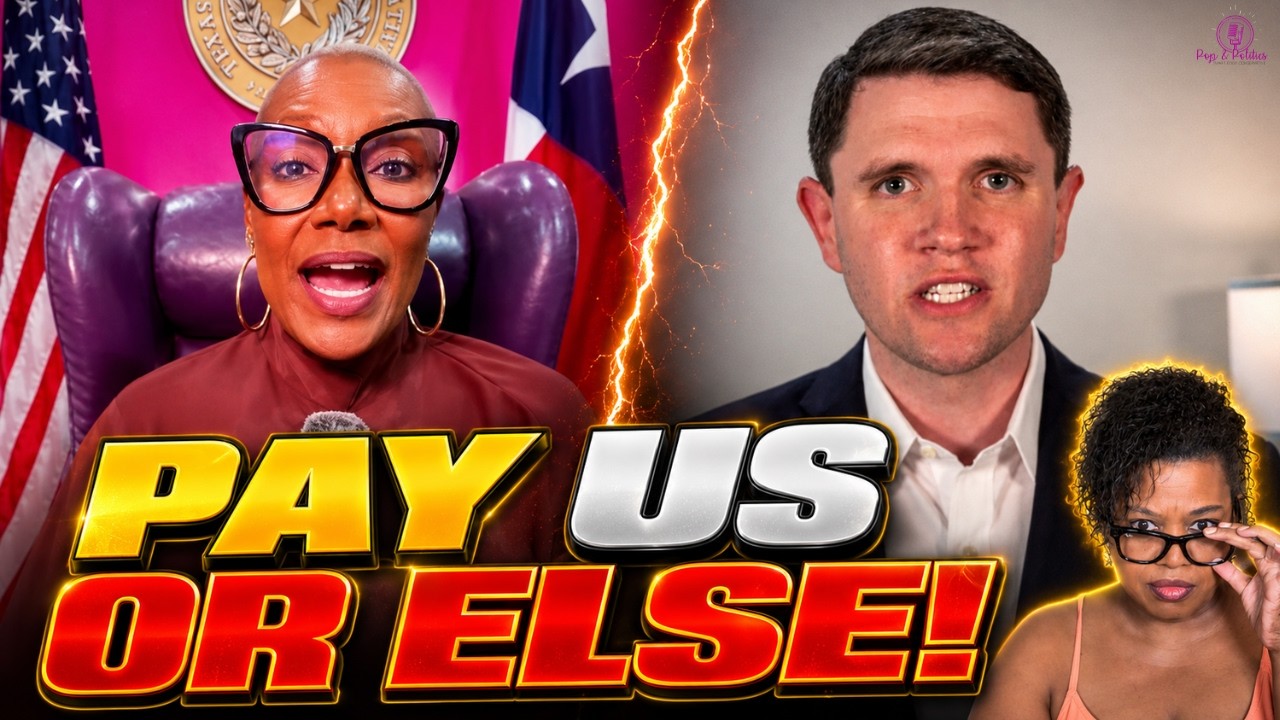
The controversy erupted after Texas State Rep. Jolanda Jones accused Talarico and the Texas Democratic Party of investing campaign resources in white and Hispanic political organizations while overlooking long-established black political infrastructure. According to Jones, enthusiasm alone will not produce turnout. She argued that campaigns expecting black voters to deliver victories must also invest in the organizations responsible for mobilizing those communities.
Those complaints represent more than a disagreement over campaign strategy. They expose growing frustration inside the Democratic coalition over who receives attention, funding, and influence during election season.
Jones argued that meetings and promises are no substitute for action. Her criticism focused on what she described as a lack of financial support for black media outlets, black voter outreach organizations, and black political consultants. In her view, campaigns expecting reliable support from black voters must also provide meaningful resources to the institutions that drive voter engagement.
The panel interpreted those comments as evidence of a deeper problem inside Democratic politics. Rather than presenting a unified coalition, they argued the party is increasingly divided into competing interest groups seeking influence and campaign dollars.
James Talarico also came under criticism for placing significant public emphasis on progressive social issues, including transgender activism, while critics argued that many traditional Democratic voters remain more concerned about everyday issues affecting their communities. The panel suggested that this messaging creates tension with socially conservative black church communities across Texas, particularly in urban areas where religious participation remains strong.
Another argument raised throughout the discussion was that Democratic campaigns increasingly assume black voters will remain loyal regardless of outreach. If campaign strategists already believe those votes are secure, critics argued, resources naturally shift toward persuading independent voters or demographic groups viewed as more politically competitive.
Whether that strategy proves politically effective remains an open question. What is becoming increasingly difficult to ignore, however, is the willingness of Democratic officials themselves to voice these disagreements publicly rather than behind closed doors.
The conversation expanded beyond Texas to argue that similar divisions are appearing nationally. Panelists pointed to debates over identity politics, party messaging, and competing priorities among various Democratic constituencies as signs that longstanding political alliances are under growing strain.
The discussion also contrasted that internal conflict with examples of rising black Republican figures, particularly Florida Congressman Byron Donalds. Rather than emphasizing race, Donalds’ supporters argue his campaign is focused on governance, fundraising, and policy, presenting an alternative political model that places less emphasis on identity-based appeals.
Why This Matters
Political coalitions depend on trust as much as turnout.
Campaigns require volunteers, local organizations, community leaders, and media partners to mobilize voters. When influential members of a party publicly question whether those relationships remain reciprocal, the disagreement can become a campaign issue of its own.
Whether James Talarico ultimately succeeds or falls short, the public criticism from prominent black Democratic leaders illustrates broader questions facing today’s Democratic Party: Who receives political attention, who receives campaign resources, and how long can reliable voting blocs be treated as guaranteed supporters?
Those questions extend well beyond Texas. As both parties compete for shifting coalitions across the country, the balance between identity politics, policy priorities, and campaign strategy is likely to remain one of the defining political stories heading into future election cycles.