

Americans Are Waking Up After a Week of Terror
For years, Americans who raised concerns about border security, immigration vetting, and radical extremism were dismissed as alarmists. Cable news panels mocked them. Political leaders labeled them “extreme.” Social media platforms buried their warnings.
But reality has a way of forcing uncomfortable conversations.
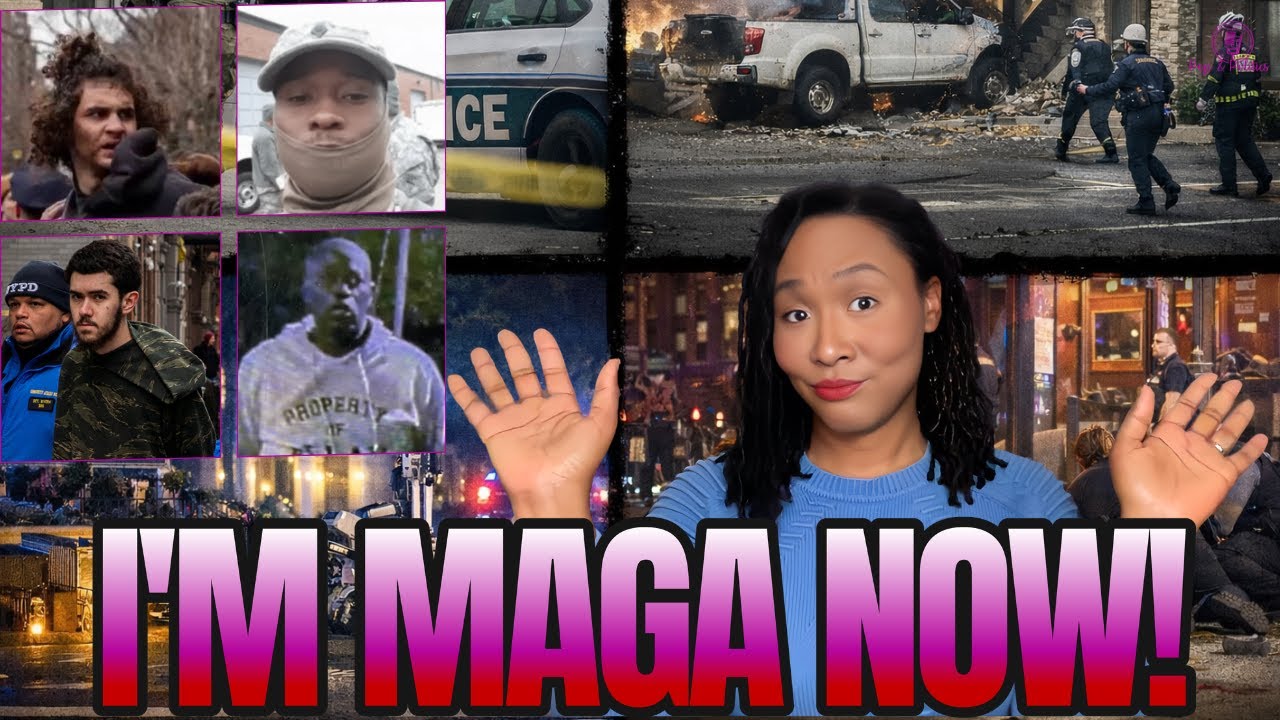
After a week that saw multiple terror attacks on U.S. soil, many Americans are beginning to ask the questions they were once told were off-limits.
How did we get here?
And more importantly—how do we stop it?
A Warning the West Ignored
Observers of Europe have been sounding alarms for decades. Cities once defined by Western culture—London, Paris, Berlin—have undergone dramatic demographic and political changes due to mass migration and weak assimilation policies.
Critics argue that governments across Europe tolerated growing extremism out of political convenience. Cultural tensions were dismissed as fringe concerns. Leaders insisted the system was working.
Until it wasn’t.
The result, many analysts say, is a continent now struggling with security threats, cultural fragmentation, and rising political instability.
For many Americans watching from across the Atlantic, Europe became a cautionary tale.
Now some fear the same mistakes are unfolding in the United States.
The Border Debate That Never Really Ended
Immigration policy has been one of the most polarizing issues in American politics, particularly during the Biden administration, which oversaw record border crossings.
Critics argue that lax enforcement and overwhelmed immigration systems created an environment where vetting failures became inevitable. Supporters counter that humanitarian obligations required a more open approach.
But the attacks that occurred this week reignited the debate in a way statistics and policy reports never could.
When violent acts occur, abstract policy arguments suddenly become personal.
Communities begin asking:
- Who entered the country?
- Were they properly vetted?
- Could the attack have been prevented?
These are not new questions. But they are now being asked by people who previously avoided the conversation altogether.
The Old Narrative Is Breaking Down
For years, Americans who advocated stricter immigration enforcement were often labeled with familiar political insults—“racist,” “xenophobic,” or “MAGA extremists.”
But after a string of high-profile attacks, the tone of the conversation appears to be shifting.
Many Americans who once dismissed those concerns are now quietly reconsidering them.
Public opinion often changes this way—not through arguments, but through events.
When people feel personally threatened, ideology takes a back seat to safety.
The Political Impact Could Be Significant
If this shift in public perception continues, it could reshape the political landscape heading into the 2026 midterm elections and beyond.
National security has historically been one of the strongest mobilizing issues in American politics. Moments of crisis tend to push voters toward candidates who emphasize law enforcement, border control, and strong national defense.
That dynamic could benefit Donald Trump and the broader America-First movement, which has made immigration enforcement and border security central campaign themes.
In other words, the political movement that critics once dismissed may now be gaining new supporters—not through persuasion, but through experience.
A Nation at a Crossroads
America now faces a choice.
The country can continue down the current path, hoping that incidents like this week’s attacks remain isolated events.
Or it can take a more serious look at how immigration policy, national security, and cultural integration intersect.
Neither option is simple. Both come with consequences.
But what is clear is this: the conversation Americans were once told not to have is now happening in living rooms, workplaces, and communities across the country.
And once a nation begins asking difficult questions, it rarely stops.