

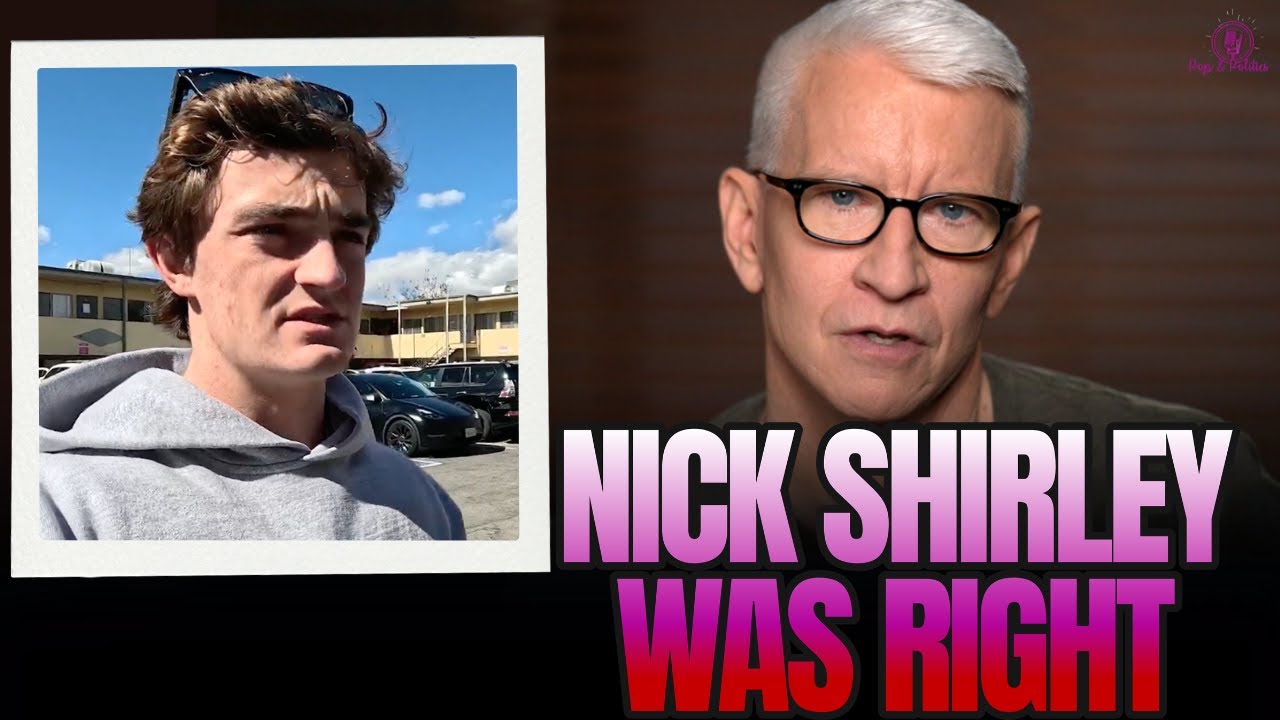
A growing hospice fraud scandal in California is exposing deep flaws in federally funded healthcare programs, with new confirmation from CBS News validating earlier investigative reporting by Nick Shirley. What’s emerging is not just isolated misconduct, but a systemic breakdown—one that critics argue is fueled by bureaucracy, weak oversight, and a lack of accountability within programs like Medicare and Medicaid.
At the center of the controversy is Los Angeles, now described as “ground zero” for hospice-related fraud. Federal and local investigations have uncovered hundreds of questionable hospice providers—many of which appear to exist only on paper while billing taxpayers for services never rendered. In one building alone, nearly 90 hospice companies were registered, with regulators identifying hundreds of violations over a multi-year period.
The scale of the problem is staggering. Officials estimate that hundreds of millions in taxpayer dollars may be siphoned annually through fraudulent hospice claims. Meanwhile, legitimate patients risk being overlooked as resources are diverted to sham operations.
How the System Gets Exploited
Hospice care, originally designed to provide comfort for patients nearing the end of life, has become a target for abuse due to how eligibility is defined and reimbursed. Contrary to common belief, patients don’t always need to be imminently dying to qualify. This gray area opens the door for manipulation—allowing providers to enroll patients under questionable circumstances while billing federal programs.
The problem is compounded by bureaucratic inefficiency. Agencies responsible for oversight—particularly Centers for Medicare & Medicaid Services—often operate with slow audit cycles, overlapping jurisdictions, and delayed enforcement. By the time fraud is detected, operators may have already collected millions and moved on.
Critics argue this isn’t a failure of detection, but of enforcement. As one commentator bluntly put it: the government can find fraud—it just struggles to act on it quickly or consistently.
Why California?
While fraud exists nationwide, California’s regulatory environment appears particularly vulnerable. Analysts point to a combination of high federal funding flows, less aggressive state-level enforcement, and policies that make it easier for providers to enter the system without rigorous scrutiny.
Even Dr. Oz weighed in, noting that Los Angeles County alone accounts for roughly one-third of all hospice providers in the country—an imbalance that defies demographic logic.
The result is a perfect storm: massive funding, loose oversight, and complex rules that create opportunities for bad actors to exploit the system.
Parallel Scandals Raise Broader Concerns
The hospice fraud revelations come alongside separate investigative reporting from James O’Keefe, who uncovered alleged voter fraud schemes involving payments to vulnerable populations in Los Angeles. While distinct issues, both cases point to a broader pattern: taxpayer-funded systems being manipulated in plain sight, often with little immediate consequence.
In both healthcare and elections, the common thread is institutional inertia—systems that are slow to respond and, in some cases, unwilling to intervene decisively.
Key Questions Moving Forward
What is hospice fraud?
Hospice fraud typically involves billing Medicare or Medicaid for end-of-life care services that are unnecessary, exaggerated, or never provided.
Why is it hard to stop?
Oversight agencies face bureaucratic delays, complex regulations, and limited coordination between federal and state authorities.
Who pays the price?
Taxpayers fund these programs, meaning fraudulent claims directly drain public resources while potentially denying care to legitimate patients.
Can it be fixed?
Reform would likely require streamlined oversight, faster enforcement mechanisms, and stronger incentives for states to cooperate in fraud prevention.
Conclusion: A System Under Strain
The California hospice scandal is more than a local issue—it’s a warning sign. When billions in taxpayer dollars flow through complex systems with weak accountability, abuse becomes inevitable.
For many Americans, this isn’t just about fraud—it’s about trust. Trust that public programs will serve those in need. Trust that hard-earned tax dollars won’t be wasted. And trust that those who exploit the system will face consequences.
Right now, that trust is being tested.
If the federal government fails to act decisively, cases like this will continue to multiply—quietly draining resources while leaving ordinary Americans to foot the bill.