


When Prayer Drifts from Christ
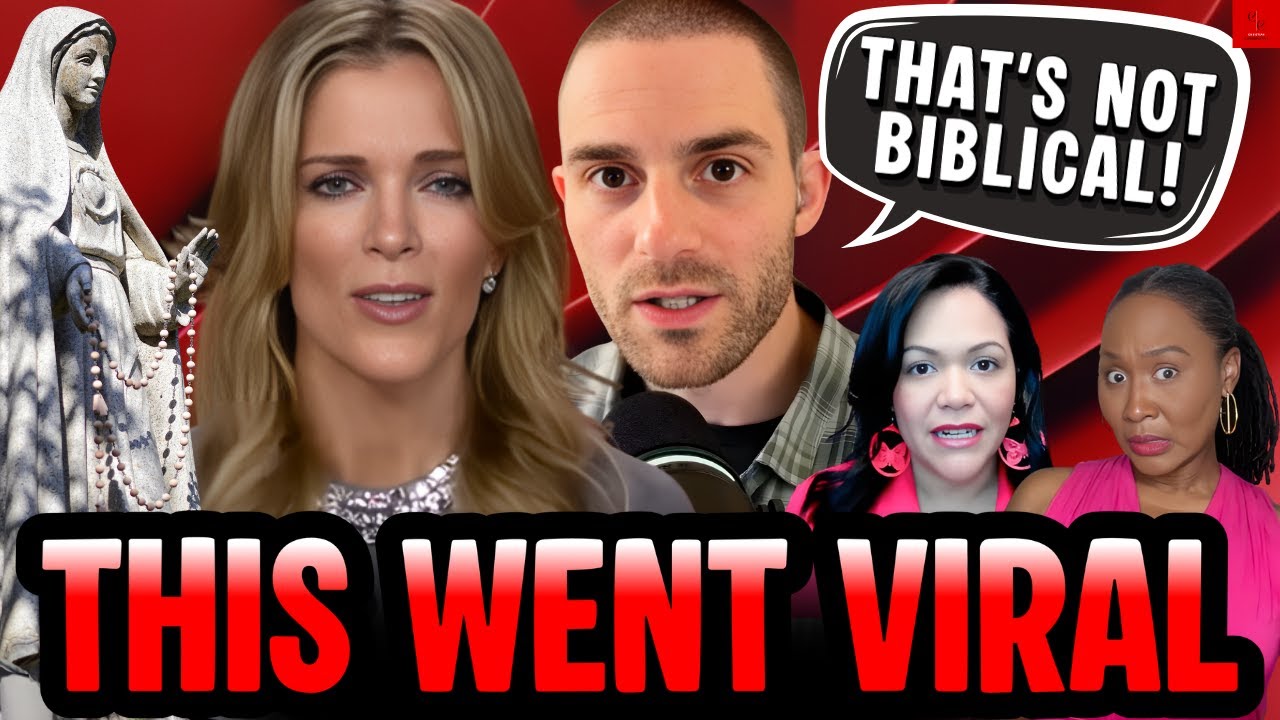
When Megyn Kelly publicly stated that she had prayed to Charlie Kirk and to God for guidance, many Christians felt an immediate discomfort. That discomfort was not partisan. It was theological.
Prayer is not emotional language. It is not symbolic speech. It is not poetic sentiment. Prayer is communication directed to God.
And Scripture is clear. There is one mediator between God and man, the man Christ Jesus. Not a saint. Not a political hero. Not an archangel. Not a rosary.
For Christians, this is not a minor technicality. It is foundational.
The Authority of Scripture, Not Tradition
Throughout church history, traditions have developed that claim spiritual legitimacy. Some of those traditions align with Scripture. Others do not.
Praying to deceased believers, asking saints for intercession, and attributing spiritual protection to religious objects are not practices rooted in the New Testament. They are developments that emerged centuries later.
The apostles did not instruct believers to pray to Stephen after his martyrdom. They did not pray to James after his execution. They did not elevate Mary as a mediator of grace. They prayed to God through Christ.
When Jesus taught His disciples to pray, He said, pray in this way: Our Father in heaven. He did not say pray to those who have gone before you. He did not say appeal to heavenly intermediaries. He directed them to the Father.
This matters because authority in Christianity does not rest in accumulated tradition. It rests in the Word of God.
The Danger of Misplaced Intercession
Defenders of praying to saints often argue that it is simply asking others to pray on your behalf, much like asking a friend to pray for you.
But there is a critical difference.
When you ask a living believer to pray, you are participating in fellowship. You speak. They respond. They agree with you before God. It is relational and present.
When you address a deceased person and request guidance, protection, or intervention, you have crossed into territory Scripture never authorizes.
Hebrews teaches that we may approach the throne of grace with confidence. That confidence is not based on our works, our rituals, or our proximity to religious figures. It is based on Christ alone.
To suggest that believers need additional mediators weakens the sufficiency of Jesus.
The Rosary and the Illusion of Power
The rosary has been described as empowering, protective, even spiritually defensive. That language should concern any Bible believing Christian.
Objects do not carry spiritual power. Beads do not ward off evil. Repetition does not strengthen authority. Scripture explicitly warns against vain repetition, the idea that many words produce greater spiritual leverage.
Power belongs to Christ.
The name of Jesus is what Scripture declares powerful. Not formulas. Not rituals. Not accessories.
When Christians begin attributing strength to objects, they risk drifting toward superstition. When they believe repeated phrases carry spiritual force in themselves, they mirror practices found far outside biblical Christianity.
True prayer is not mechanical. It is relational. It is not fueled by rhythm but by faith.
A Call to Clarity, Not Condemnation
This conversation is not about attacking Catholics or scoring theological points. It is about clarity.
Many who practice these traditions genuinely love God. Many have never been encouraged to examine the biblical foundation beneath what they have inherited.
The appropriate Christian response is not hostility. It is discernment.
Ask simple questions.
Where is this taught in Scripture
Does this practice magnify Christ or redirect attention away from Him
Does this strengthen direct access to God or insert additional layers
Salvation is not secured through sacramental systems, ritual compliance, or ecclesiastical hierarchy. It is secured by grace through faith in Jesus Christ.
If we blur that truth, even slightly, we risk confusing the next generation about the gospel itself.
Why This Matters Now
We are living in a time when spiritual language is fashionable but theological precision is fading. Influential voices can unintentionally normalize practices that are unbiblical simply by speaking casually about them.
Christians cannot afford casual theology.
Good intentions do not protect against error. Popular personalities do not define doctrine. Cultural momentum does not validate tradition.
Only Scripture does.
If prayer drifts from Christ, everything drifts from Christ.
And once Christ is no longer central, Christianity becomes something else entirely.
The responsibility before us is simple but urgent: return to the Word. Pray to the Father through the Son. Trust in the finished work of Jesus alone.
There is power in no other name.