

Media Credibility and the Fragility of Trust in the Information Age
In an era where misinformation is frequently cited as one of society’s greatest threats, the credibility of those who claim to combat it matters more than ever. The modern media landscape places journalists in a unique role: not merely reporting the news, but acting as interpreters of truth for millions of viewers. When those interpreters make mistakes, the consequences ripple far beyond a single broadcast.
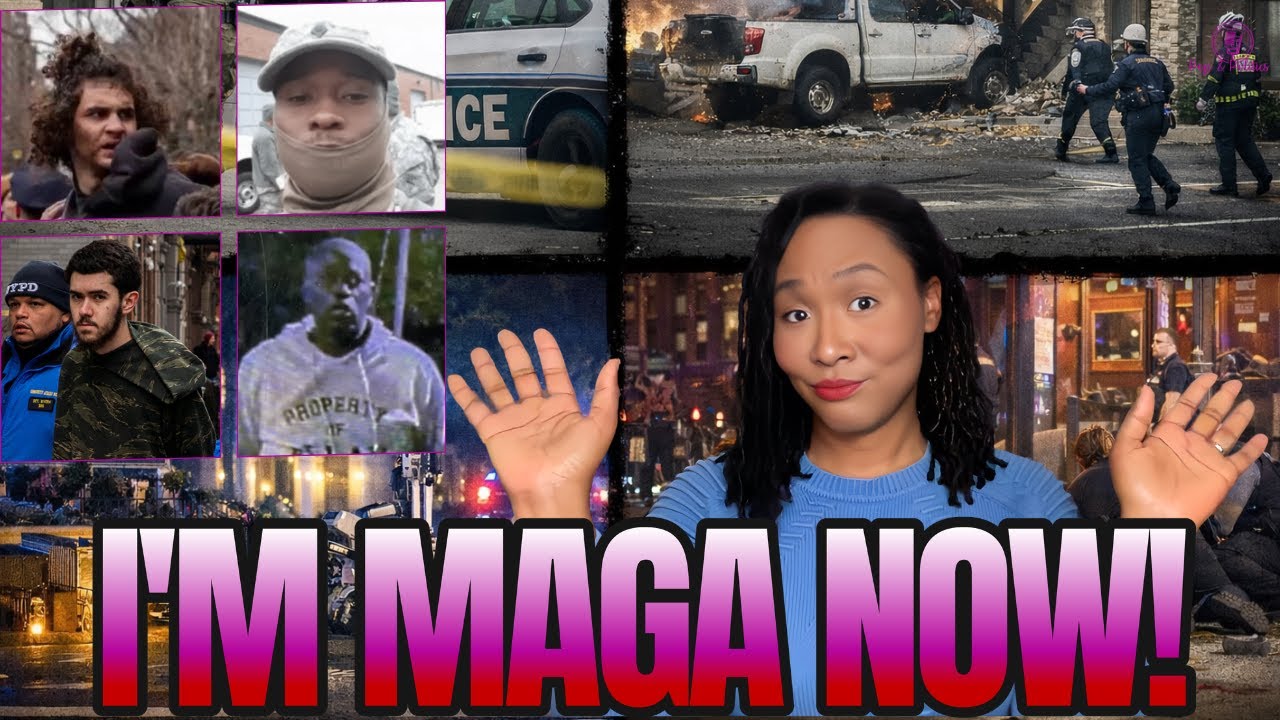
A recent controversy surrounding a high-profile television host illustrates a deeper issue about trust in American media. A claim made during a broadcast regarding a terror-related incident in New York City was later corrected after widespread criticism. The host issued an on-air clarification, acknowledging that the attack had not specifically targeted the individual originally mentioned.
The correction itself is not unusual. Journalists, like anyone else, can make mistakes. What makes moments like these significant is how they affect public confidence in institutions that already face declining trust.
According to multiple national surveys over the past decade, trust in mainstream media has steadily eroded. Large segments of the public now believe major outlets are influenced by political bias, ideological framing, or narrative-driven reporting. When an error appears to reinforce that perception, even if unintentionally, it becomes part of a much larger conversation about credibility.
The Speed of Modern Narratives
Part of the problem lies in the speed of modern news cycles. Cable television and digital media compete to deliver breaking developments instantly. Social media amplifies early reports before facts are fully verified, and commentary often arrives before investigations are complete.
This environment creates pressure to interpret events in real time. In politically sensitive stories—particularly those involving terrorism, religion, or immigration—small wording choices can dramatically alter how an event is perceived.
When a narrative forms quickly and later proves inaccurate, corrections may struggle to reach the same audience that heard the original claim. Even when journalists issue clarifications responsibly, the damage to public perception may already be done.
The Challenge of Perceived Bias
Another factor shaping public reaction is the growing belief that many news organizations approach stories through ideological frameworks. Critics on both sides of the political spectrum argue that media outlets sometimes frame events in ways that align with broader political narratives.
For some viewers, mistakes reinforce suspicions that coverage is less about objective reporting and more about shaping public opinion. Whether those suspicions are justified or exaggerated, they reflect a widening gap between media institutions and the audiences they serve.
Restoring trust requires more than simply correcting errors. It requires transparency in reporting, careful sourcing, and a willingness to acknowledge when coverage may have been incomplete or premature.
Why Accuracy Matters More Than Ever
In a polarized society, information shapes how citizens understand threats, policies, and national debates. Stories involving terrorism, immigration, or national security carry especially high stakes because they influence public policy discussions and cultural perceptions.
Accuracy in these moments is not just a professional obligation—it is a civic one.
When media outlets prioritize verification over speed, they reinforce the principle that facts matter more than narrative. When they fail to do so, even briefly, it fuels a cycle of skepticism that becomes increasingly difficult to reverse.
A Trust Crisis Still Unfolding
The controversy surrounding the recent correction is ultimately about more than one statement or one broadcast. It reflects a broader struggle between institutions and audiences over who defines truth in an age of constant information.
Journalists remain essential to a functioning democracy. But their credibility depends on something fragile: the belief that they are committed to the facts, even when those facts challenge prevailing narratives.
In the long run, rebuilding that trust may be one of the most important tasks facing modern media.