

Democrats Self-Destruct After SOTU While Media Finally Says the Quiet Part Out Loud
If you were looking for a contrast, you got one.
- Democrats Self-Destruct After SOTU While Media Finally Says the Quiet Part Out Loud
- The Moment That Defined the Night
- Media Fractures: When CNN Starts Asking Hard Questions
- Veterans as a Punchline? That Backfired
- Immigration: The 11 Million Question
- The Sanctuary State Divide
- The Ferguson Effect Returns to the Conversation
- The Optics Gap
- What Happens Next
On one side: a president honoring wounded veterans, Olympic champions, and American families.
On the other: Democrats sitting stone-faced, refusing to stand for victims, mocking medal recipients, and mouthing “KKK” while the chamber chanted “USA.”
This was not a subtle messaging failure. It was a televised collapse in decorum, tone, and political instinct.
And the media noticed.
The fallout from this State of the Union was not about fact-checks or policy disputes. It was about optics. And the optics were brutal.
The Moment That Defined the Night
When members of Congress refused to stand for American citizens killed by illegal immigrants, it was noticed. When some mocked the awarding of medals to wounded service members, it was noticed. When chants of “USA” were met with visible hostility, it was noticed.
Voters are capable of disagreement. What they struggle with is visible contempt.
The reaction wasn’t limited to conservative commentary. Even traditionally friendly outlets pressed Democratic members on their behavior. Questions about decorum, tone, and political strategy came from inside the tent.
That rarely happens by accident.
Media Fractures: When CNN Starts Asking Hard Questions
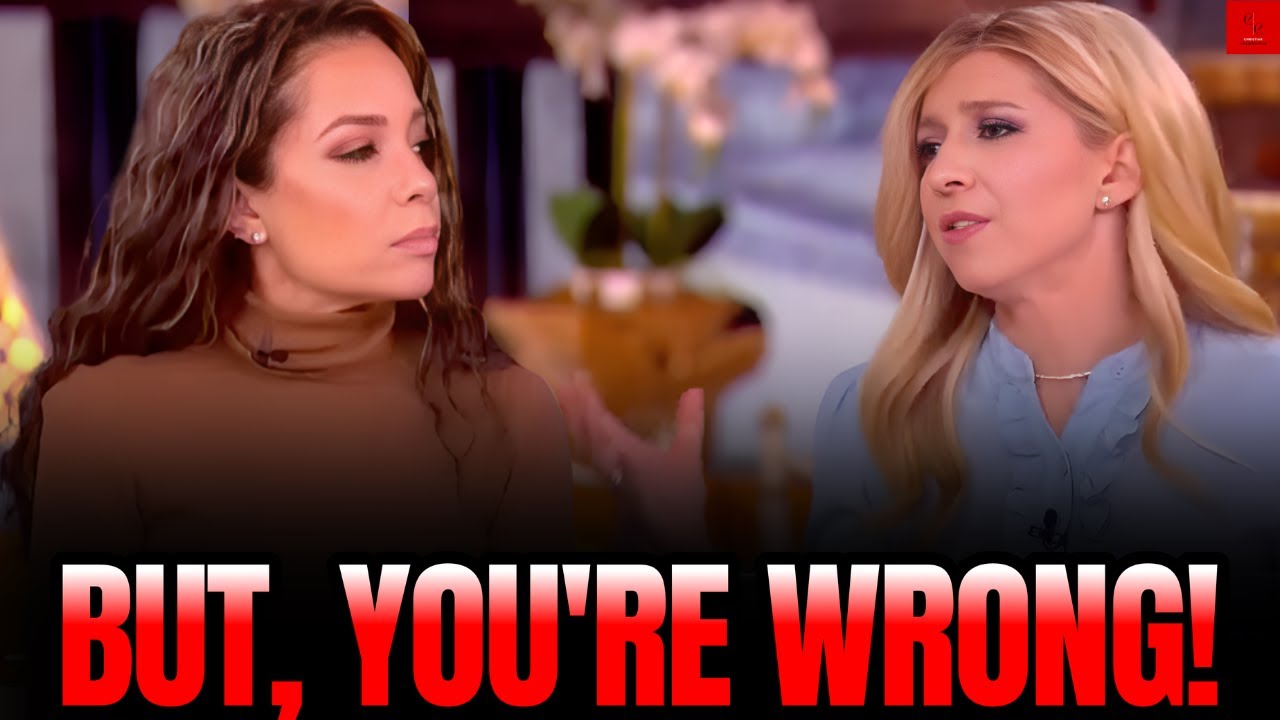
One of the most revealing post-SOTU developments wasn’t what Republicans said. It was what CNN asked.
When Democratic members were pressed on whether they had crossed a line, the answers felt rehearsed, defensive, and disconnected from what most Americans saw with their own eyes.
The messaging boiled down to this: protest is justified because the administration is dangerous.
The problem is that Americans don’t see honoring soldiers and celebrating border enforcement as “dangerous.” They see it as governance.
When media hosts begin framing your conduct as potentially out of bounds, you have a political problem.
Veterans as a Punchline? That Backfired
The mockery surrounding medal presentations was perhaps the most politically tone-deaf moment of the night.
Medals are not “given out.” They are earned.
When wounded service members are recognized on national television and elected officials respond with eye rolls and dismissive commentary, it doesn’t read as ideological sophistication. It reads as ingratitude.
That matters in swing districts. It matters in suburban counties. It matters in communities with large veteran populations.
And it will matter in 2026.
Immigration: The 11 Million Question
In the days following the address, some Democratic leaders floated renewed talk of “pathways to citizenship” for millions currently in the country illegally.
That may play well with activist groups. It does not poll well nationally.
The American public has consistently supported legal immigration and border enforcement simultaneously. What they reject is the appearance of mass amnesty while border security remains fragile.
When voters hear “11 million,” they don’t think compassion. They think permanence.
And permanence changes political maps.
The Sanctuary State Divide
In Maryland and other blue states, the debate has moved from rhetoric to law.
Efforts to restrict cooperation between local law enforcement and federal immigration authorities are being framed as “compassionate governance.”
Local sheriffs disagree.
Their argument is simple: it is safer to transfer criminal offenders directly from local custody to federal authorities than to release them back into communities and attempt later apprehension.
That is not a partisan statement. It is an operational one.
When elected officials prioritize political positioning over procedural safety, tensions escalate. And if tragedy follows, the accountability conversation will be fierce.
The Ferguson Effect Returns to the Conversation
The episode also revisits a concept that has been controversial but difficult to dismiss: the Ferguson Effect.
The theory argues that when police are publicly demonized and heavily constrained, proactive policing decreases. When proactive policing decreases, violent crime rises.
The data from 2015 and 2020 show measurable homicide spikes in major cities following intense anti-police movements.
This does not mean policing is above scrutiny. It means demonization carries consequences.
Communities most affected by crime are often the same communities political activists claim to defend. When officers disengage, criminals do not.
That tension remains unresolved.
The Optics Gap
Democrats face a widening optics problem.
Dancing frog performances as counter-programming. Defiant chants. Refusal to applaud victims. Dismissive reactions to military recognition.
None of it signals steadiness.
Meanwhile, post-speech polling showed a noticeable bump among speech-watchers who believed the administration was moving the country in the right direction.
Momentum does not come from perfection. It comes from contrast.
And the contrast was unmistakable.
What Happens Next
If Republicans are disciplined, they will focus on tangible results:
- Energy prices
- Border encounters
- Tax relief
- Enforcement clarity
- Public safety metrics
If Democrats continue leaning into performance politics and protest optics, they risk alienating moderates who simply want stability.
The State of the Union was long. But the takeaway was simple.
One side presented governance.
The other presented grievance.
And in an election cycle defined by cost of living, border control, and public safety, grievance is a harder sell.
The media noticed. Voters will too.




SOTU Fallout: Democrats Mock Veterans, Media Pushes Back
Refusal to stand for victims, mockery of medal recipients, and immigration rhetoric spark backlash after the State of the Union.