

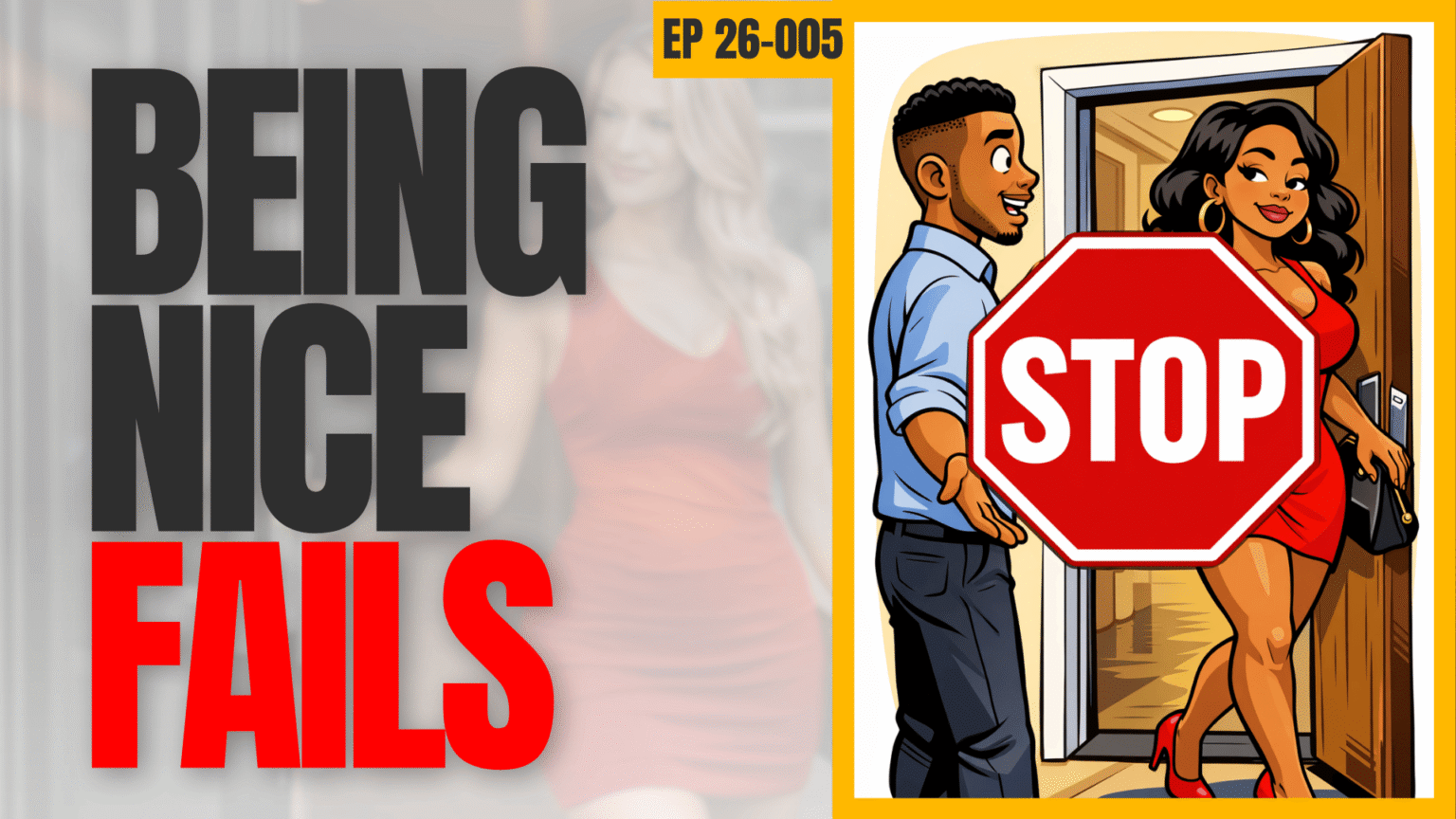
There was a time when holding the door open wasn’t a statement. It was just something men did. It wasn’t about flirting or signaling virtue—it was about order, awareness, and responsibility.
That time is over.
Not because men suddenly became rude or lazy, but because courtesy now carries risk. In modern public life, a simple gesture can be misread, reinterpreted, or weaponized. Intent matters less than perception, and perception is no longer governed by common sense.
This isn’t about doors. It’s about what happens when a culture removes protection from those it still expects to behave protectively.
When Courtesy Becomes a Liability
Men today operate in an environment where good intentions offer no insulation. A polite act can become an accusation. A moment of assistance can become a complaint. In that reality, caution replaces instinct.
The unspoken rule is clear: if something goes wrong, the man will carry the consequences—socially, professionally, and sometimes legally. Reputation damage is immediate. Due process, if it exists at all, arrives too late to matter.
I don’t hold the door open for people because I don’t want to put myself in a vulnerable position when I’m just trying to be a nice guy.
Gimpy
So behavior adapts.
Not out of resentment, but survival.
What Chivalry Actually Meant
Chivalry was never about romantic performance. Historically, it was a system of restraint—meant to govern strong men in dangerous environments. It emphasized protection, discipline, and responsibility. Holding the door wasn’t symbolic. It was practical. You controlled space. You reduced uncertainty. You placed yourself between risk and others.
That system worked because it was reciprocal. Duty was paired with honor. Protection was paired with respect. Accountability ran both directions.
That balance is gone.
A Culture That Punishes Leadership
Modern men are told to lead while being punished for taking initiative. Told to protect while being blamed when protection is unwelcome. Told to be respectful while being assumed guilty by default.
In that environment, disengagement becomes rational.
Men don’t stop helping because they don’t care. They stop helping because the cost of being misunderstood is too high. This shows up everywhere—from workplaces to public transit to emergency situations. Hesitation isn’t apathy. It’s risk management.
When Courtesy Becomes Entitlement
Modern culture didn’t just discard chivalry—it distorted it. What’s sold today isn’t mutual respect, but expectation. Courtesy is demanded, audited, and morally enforced, while the person offering it absorbs all downside risk.
When respect stops being voluntary, it stops being respect.
When giving becomes mandatory, resentment follows.
That’s not a failure of men. It’s a failure of the social contract.
The Quiet Retreat
Courtesy hasn’t disappeared. It’s been relocalized.
Men still extend protection and generosity where trust exists: families, friendships, faith communities, and environments with shared values. What’s vanished is the assumption that strangers are safe to help—or that institutions will defend men acting in good faith.
I still have chivalry—but you’ll only see it when I’m with my wife and daughters.
Reason
The Golden Rule still applies. But it only functions when accountability is mutual.
Not Rejection—Recalibration
This isn’t a rejection of decency. It’s a recalibration in response to cultural reality.
When trust erodes, people withdraw. When leadership is punished, initiative fades. When men are told simultaneously to step up and stand down, they choose the path that minimizes damage.
If society wants courtesy to return, it must restore the conditions that made it possible: fairness, due process, and respect that runs both ways.
Until then, many men will continue doing what the modern world has trained them to do—protect their own, limit exposure, and opt out of unnecessary risk.
That isn’t bitterness.
It’s adaptation.