

Pop & Politics moved fast this week—because the news cycle moved faster.
- The Post Was Deleted. The Fallout Was Inevitable.
- Black Conservatives Don’t Get to “Duck” This One
- “Don’t Take the Bait” Is a Political Survival Skill
- New York’s New Direction: Faith Language Meets Public Power
- “Give Me My Money Back”: The Taxpayer Revolt Keeps Growing
- Don Lemon and the Church Protest Case: When “Reporting” Turns Into Planning
- Jesse Lee Peterson’s Step-Parent Take: A Hard Conversation, Not a Slogan
- Closing Thought
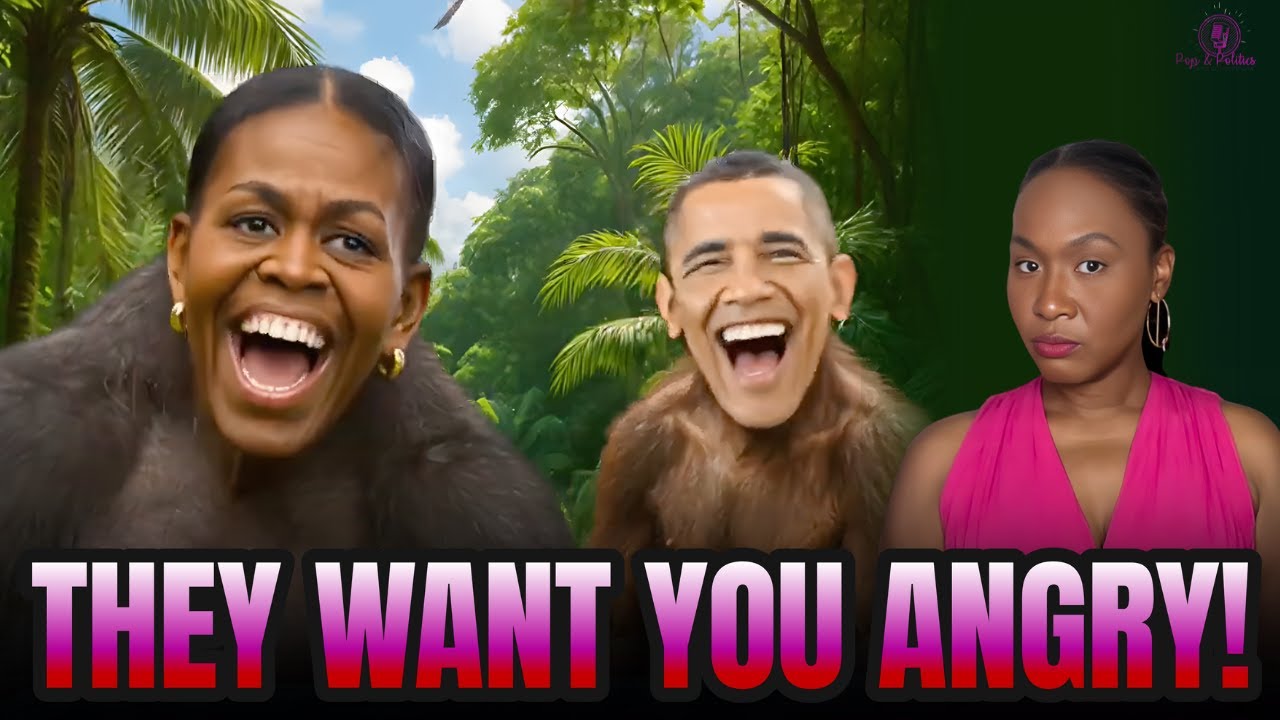
A short, controversial AI clip shared from President Trump’s Truth Social account sparked instant accusations of racism after it briefly depicted Barack and Michelle Obama as apes. The post was later deleted, and the White House said it was removed once staff realized what had been included.
But the larger question isn’t whether the internet can manufacture a firestorm (it can). It’s whether conservatives—especially Black conservatives—will be honest enough to call out what’s wrong without letting the Left hijack the moment to shut down debate, distract from policy, and reframe everything as moral panic.
That tension—truth vs. trap—defined the night.
The Post Was Deleted. The Fallout Was Inevitable.
On the show, the panel didn’t pretend the imagery was harmless. They also didn’t accept the media’s preferred conclusion: that a reckless post equals a racist presidency.
This is where Pop & Politics tends to land when the outrage machine spins up:
- Hold standards. The presidency should be better than meme culture.
- Tell the truth. The ape trope has an ugly historical meaning in America, whether intended or not.
- Refuse the trap. The Left routinely uses racial flashpoints to avoid accountability on crime, schools, inflation, and governance.
Even international coverage noted how quickly the controversy became political ammunition across the aisle, including prominent conservatives criticizing the post and urging it be taken down.
Black Conservatives Don’t Get to “Duck” This One
One of the most revealing parts of the episode was the panel’s internal disagreement.
That matters because Black conservatives are constantly accused of being “party first,” even when conscience demands otherwise. Pop & Politics—on air, in real time—showed viewers what it looks like to argue honestly:
- One side emphasized impact: the imagery lands differently because the stereotype is historically weaponized.
- Another side emphasized context: the broader cartoon placed multiple public figures on animals, and the clip was shared alongside election-related content, which is what Trump said he was focused on.
- Everyone agreed on the core point: this is the kind of side-drama that derails real wins and real fights.
One host put it plainly: the country doesn’t need another wedge driven between Americans over a clip that’s already been removed.
“Don’t Take the Bait” Is a Political Survival Skill
The episode’s most “felt” moment wasn’t even about the Obamas.
It was about focus—and what happens when Americans are trained to chase viral outrage while ignoring policy outcomes that affect their actual lives. That’s the Pop & Politics thesis in one line:
If you can keep the public emotionally exhausted, you can govern without accountability.
Whether you agreed with the panel’s tone or not, the warning was clear: the outrage economy is designed to keep voters reactive, not effective.
New York’s New Direction: Faith Language Meets Public Power
The show then pivoted to New York City—where Mayor Zohran Mamdani’s administration has drawn criticism for blending religious messaging with government posture, particularly around migration and public “moral framing.” (Mamdani is listed as NYC’s mayor on the city’s official site.)
Pop & Politics didn’t object to private faith. They objected to public authority being used to sanctify ideological policy—especially when day-to-day governance (sanitation, safety, emergency response competence) is what residents immediately experience.
That’s a theme that resonates far beyond New York: voters are often sold lofty rhetoric while basic civic order collapses.
“Give Me My Money Back”: The Taxpayer Revolt Keeps Growing
Next came a local outrage with teeth: Prince George’s County officials reportedly spending tens of thousands for a multi-night hotel setup during a winter storm.
Even without getting lost in every receipt line item, the principle is simple and explosive:
If families are cutting thermostats down and skipping necessities, leadership can’t treat public funds like an unlimited tab—then act surprised when the public revolts.
This is why “fraud, waste, and abuse” isn’t just a Washington slogan. It’s a kitchen-table reality.
Don Lemon and the Church Protest Case: When “Reporting” Turns Into Planning
The episode also highlighted a developing legal story: prosecutors alleging CNN alum Don Lemon went beyond documenting a protest at a Minnesota church and became involved in planning/logistics—an allegation complicated further by a Temple University student surrendering on related federal charges.
The broader takeaway wasn’t celebrity drama. It was institutional:
When activists dress as journalists, and journalists behave as activists, the public’s trust collapses—and the law eventually shows up to sort out what’s what.
Jesse Lee Peterson’s Step-Parent Take: A Hard Conversation, Not a Slogan
Finally, the show tackled Jesse Lee Peterson’s claim that children will “never” accept a step-parent.
Pop & Politics pushed back on absolutes while conceding a real-world pattern many families live through: kids often want their biological parent, and blending homes can trigger loyalty conflicts, resentment, and instability—especially when adults prioritize romance over children’s emotional safety.
The conversation landed where it should: not on condemnation, but on sobriety.
Families don’t need hot takes. They need wisdom, patience, and fewer selfish decisions that children pay for.
Closing Thought
If conservatives want to win—culturally and politically—then we have to do two things at once:
- Tell the truth when something is wrong (even when “our side” is embarrassed), and
- Refuse the bait that keeps us fighting over viral distractions while cities rot, budgets explode, and institutions fail.
That’s not weakness. That’s maturity.