

Why Christians Are Questioning Hollywood’s Use of “God” Without Jesus
Hollywood loves spiritual language. What it increasingly avoids is Jesus Christ.
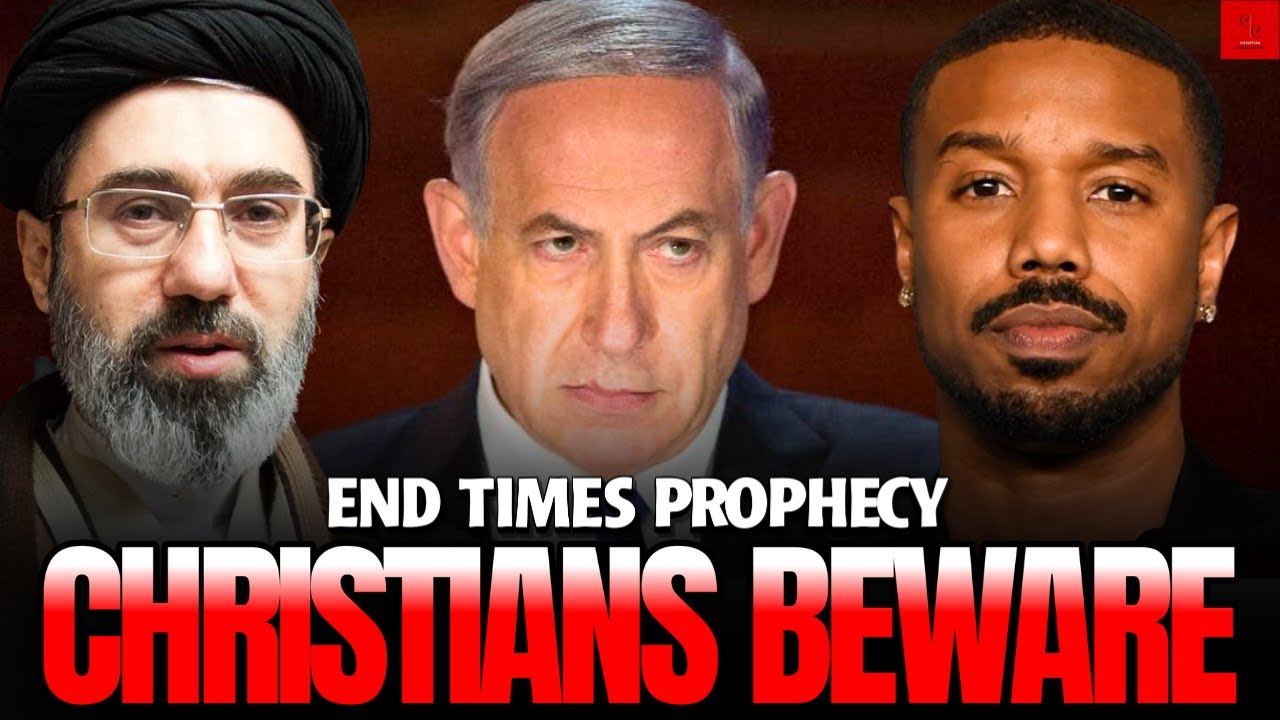
That distinction is at the center of a growing debate after actor Michael B. Jordan publicly thanked “God” during an emotional award speech tied to his film Centers. Many Christians online immediately celebrated the moment as a victory for faith in mainstream entertainment. But critics argue believers are reacting to familiar language without asking a deeper question: Which God is actually being referenced?
The controversy intensified after resurfaced interview clips showed Jordan identifying himself as a “Babalawo,” a priestly figure connected to the West African spiritual system known as Ifa. According to the transcript, the show’s host argued that modern culture increasingly uses vague spiritual terminology that sounds Christian while avoiding the core doctrines of biblical Christianity.
That concern reflects a broader cultural shift many conservative Christians believe is accelerating across entertainment, politics, and even churches themselves. References to “God,” “faith,” “spirituality,” and “higher power” are becoming more common in public life, but explicit references to Jesus Christ, salvation, repentance, and biblical authority remain noticeably absent.
For many believers, that difference matters.
The program contrasted Jordan’s comments with actor Dennis Quaid openly discussing Jesus Christ and the Gospel during a faith-centered interview. Quaid specifically referenced Jesus’ command to “go out and spread” the good news and acknowledged that many Christians in Hollywood stay silent about their beliefs out of fear or embarrassment.
That directness, the host argued, is what separates generic spirituality from Christianity rooted in scripture.
The discussion expanded into a larger warning about what many Christians see as growing theological confusion in America. The transcript repeatedly referenced biblical passages including John 14:6, Matthew 7:21, and 2 Corinthians 11:14 to argue that deception in the “last days” would not appear openly evil, but would instead present itself as moral progress, tolerance, unity, and enlightenment.
One of the show’s most forceful moments centered on claims that Christianity and Islam worship the same God. The host played commentary from a Coptic Christian pastor who argued that the Islamic understanding of Jesus fundamentally contradicts the biblical account of Christ’s deity, crucifixion, and resurrection.
That argument reflects a growing divide inside modern Christianity. Some churches and public figures advocate interfaith unity under broad spiritual language, while traditional Christians insist doctrinal differences cannot simply be ignored for the sake of cultural harmony.
The transcript also touched on concerns surrounding modern political and cultural narratives. Terms like “great awakening,” “golden age,” and “spiritual revival” were examined through a biblical lens, with warnings that cultural optimism can sometimes mask deeper spiritual decline.
The host specifically warned against confusing political momentum or anti-woke victories with genuine Christian revival. According to the discussion, true revival requires repentance, biblical truth, and faith in Jesus Christ rather than generalized appeals to morality or nationalism.
The episode ultimately returned to a central message repeated throughout the broadcast: discernment matters.
Not every celebrity mention of God represents Christianity. Not every movement using spiritual language is rooted in biblical truth. And not every cultural trend marketed as progress leads toward moral clarity.
For conservative Christians watching America’s institutions rapidly change, that concern resonates far beyond Hollywood acceptance speeches. It touches questions about media influence, cultural identity, religious compromise, and whether faith itself is being subtly redefined in public life.
The broader warning from the episode was simple: believers should pay attention not only to what public figures say, but also to what they intentionally leave out.
Because in today’s culture, many Christians believe the name of Jesus is becoming the line modern institutions no longer want crossed.