

Christian AI App Targets Weak Faith, False Teaching, and Cultural Confusion
A growing number of Christians are asking a hard question that many churches no longer seem willing to confront: why does modern Christianity feel so weak?
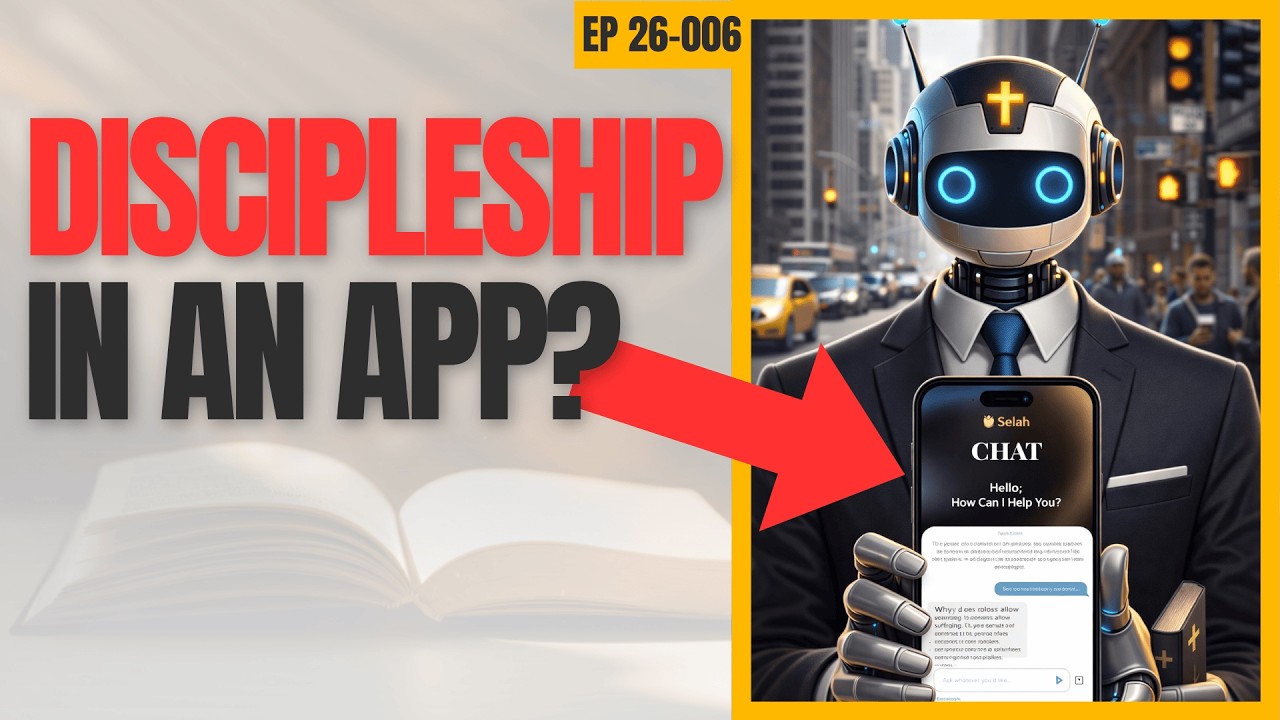
That frustration is fueling interest in a new AI-powered discipleship platform called SA Bible Tools, founded by entrepreneur Nicholas Patrick. The app is built around a simple but increasingly rare idea in modern church culture – Christians should actually know Scripture well enough to defend their faith, confront false teaching, and live with conviction in a culture hostile to biblical truth.
Patrick says the project was born out of personal conviction after years spent building businesses that made money but lacked eternal purpose. With artificial intelligence rapidly reshaping society, he saw an opportunity to use technology for discipleship rather than distraction.
What separates SA Bible Tools from many AI faith products is its refusal to present AI as some digital prophet. Patrick openly criticizes apps that allow users to “chat with Jesus” or simulate biblical figures, arguing that putting words into Christ’s mouth crosses into dangerous territory. Instead, the platform is trained around orthodox Christian doctrine, biblical context, apologetics, and practical application.
The app includes Scripture study tools, theological Q&A, prayer generation, evangelism simulations, and cultural apologetics modules designed to tackle difficult issues head-on. Users can ask questions about suffering, abortion, Islam, communism, false teachers, or moral relativism and receive Scripture-based responses grounded in biblical theology rather than modern political correctness.
That directness is exactly why the platform is gaining attention among conservative Christians frustrated with what Patrick calls “milktoast Christianity.”
According to Patrick, many churches today focus almost entirely on emotional affirmation while avoiding difficult truths about sin, repentance, discipline, and spiritual warfare. He argues believers are starving for substance while churches continue feeding “milk instead of meat.”
The conversation became especially pointed when the discussion turned toward progressive pastors, racialized theology, and celebrity church culture. Patrick sharply criticized pastors who blur the line between ministry and political activism, warning that many churches are becoming platforms for ideology rather than places centered on Christ and Scripture.
One of the app’s more controversial features allows users to explore apologetic responses to competing worldviews, including atheism, Mormonism, Islam, New Age spirituality, Black Hebrew Israelite teachings, and religious pluralism. Patrick argues Christians cannot afford biblical illiteracy in an era where competing ideologies aggressively challenge Christianity in schools, media, politics, and online culture.
The app also addresses cultural and economic systems directly. When asked whether communism aligns with Christianity, the platform reportedly answered with a blunt “no,” arguing that biblical generosity is voluntary and heart-driven, while communism relies on coercion and class resentment.
That willingness to engage politically sensitive topics reflects a broader movement emerging among younger conservative Christians who increasingly view theology and culture as inseparable. For many believers, the concern is no longer simply church attendance but whether churches are equipping Christians to survive spiritually in an openly anti-Christian culture.
Patrick repeatedly returns to one central theme: Christianity is ultimately about heart transformation, not political tribes or cultural performance. He warns against both left-wing distortions of Christianity and right-wing attempts to turn Jesus into a political mascot.
That distinction matters.
The deeper issue facing the church is not merely politics, economics, or media bias. It is whether Christians still recognize biblical truth as absolute truth in a culture built on relativism, emotionalism, and self-worship.
For urban conservatives watching institutions collapse around them, that battle increasingly begins with personal discipleship, biblical literacy, and the courage to stand firm under pressure.
Technology alone cannot save the church. But if used properly, tools like SA Bible Tools may help equip believers to stop outsourcing their faith and start understanding Scripture for themselves.