

ICE Clashes, Political Theater, and the Collapse of America’s Middle Ground
The scenes coming out of Minneapolis are no longer isolated protests. They are symptoms of a country that is rapidly losing faith in its institutions, its political class, and even its ability to coexist peacefully.
As activists confront ICE agents in the streets, progressive politicians openly encourage resistance, and social media personalities turn outrage into political currency, the deeper issue becomes impossible to ignore: America’s political center is collapsing.
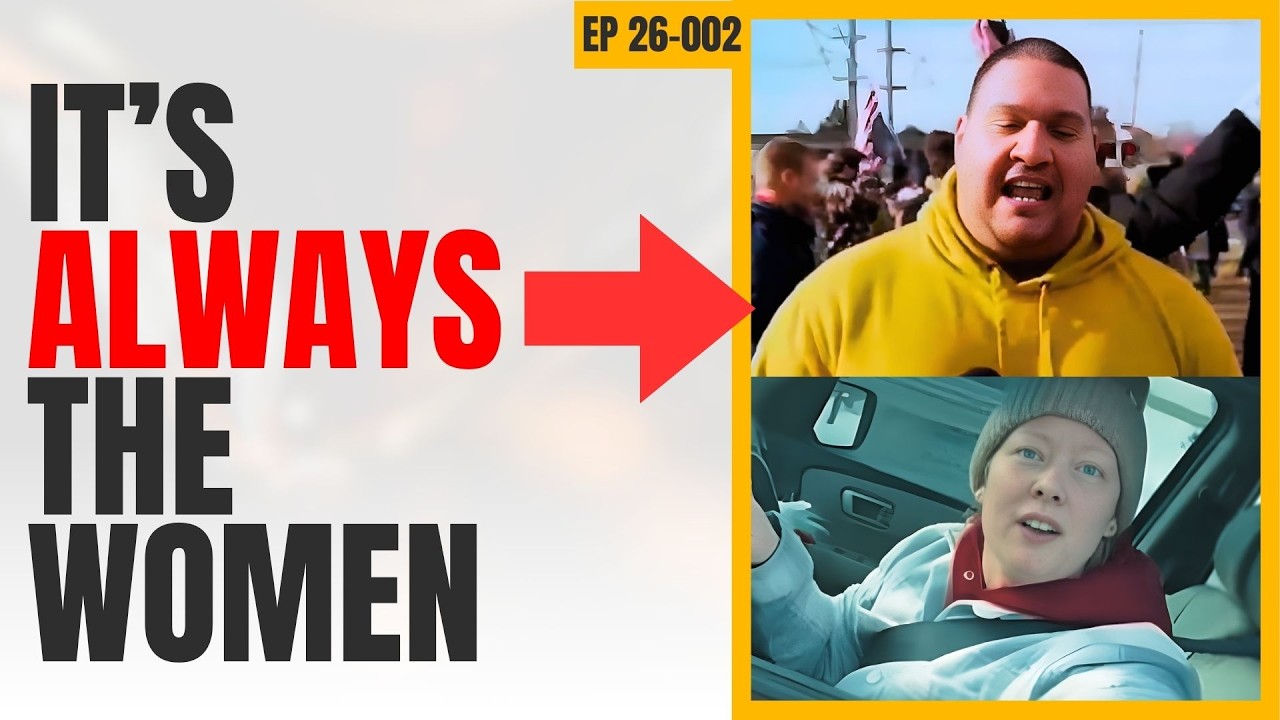
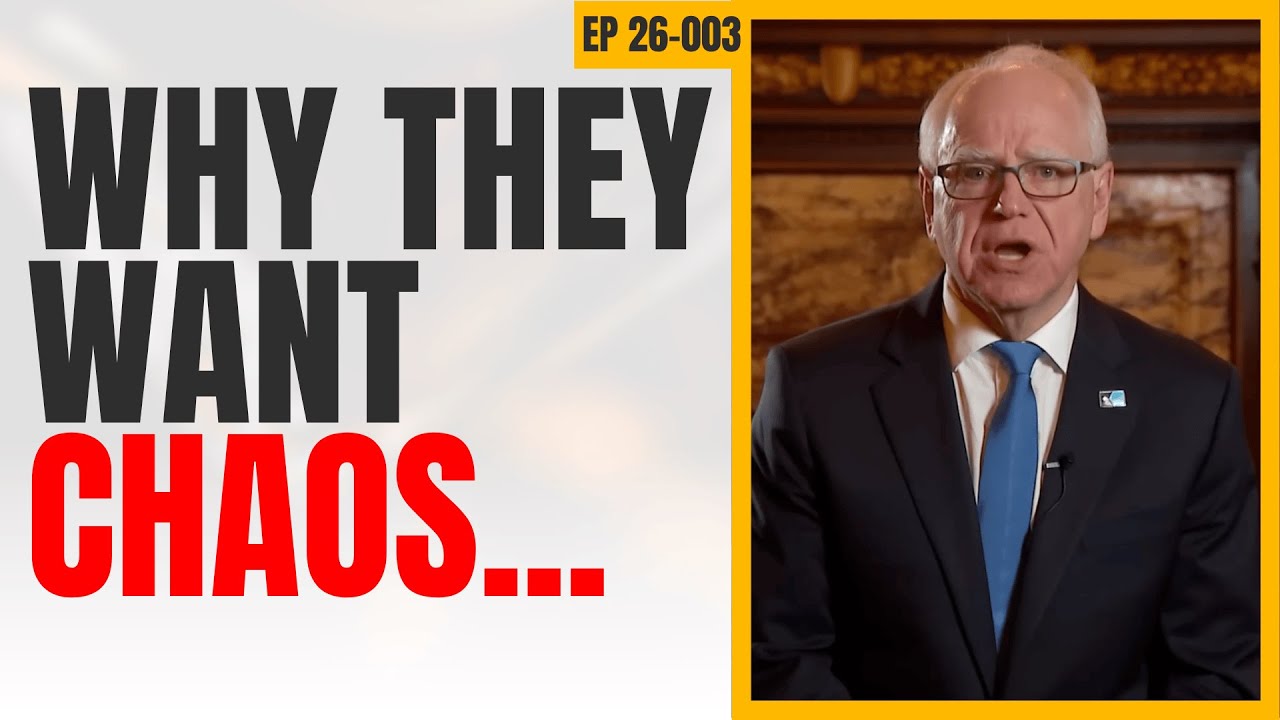
Minnesota has become the latest flashpoint. Protesters are harassing ICE officers during enforcement operations while local leaders flirt with rhetoric that treats federal immigration enforcement as illegitimate. Tim Walz called for louder resistance, while Minneapolis Mayor Jacob Frey acknowledged growing pressure on local police to oppose ICE directly.
That is a dangerous escalation.
For decades, Americans argued about immigration policy within the framework of law and governance. Today, the debate increasingly revolves around confrontation, intimidation, and public spectacle. Viral videos of protesters surrounding armed officers are celebrated online as acts of “resistance,” even when those encounters end with injuries or arrests. The line between lawful protest and direct interference with law enforcement continues to disappear.
The problem extends far beyond immigration.
What is unfolding across the country is a broader collapse of civic trust. Americans no longer see political opponents as fellow citizens with different priorities. They see enemies. Families split over elections. Friendships end over partisan disagreements. Every issue becomes existential. Every election becomes “the most important in history.”
That mindset creates permanent instability.
The podcast discussion surrounding the Minneapolis unrest touched on a reality many Americans quietly recognize: the nation no longer feels unified around a shared future. Instead, politics has become performance art driven by outrage, social media engagement, and ideological tribalism. Politicians behave more like influencers than statesmen, and voters increasingly reward emotional theater over competence.
Nothing illustrated that decline better than the viral TMZ interview involving former reality television star Farrah Abraham announcing a run for mayor before apparently understanding when the election would even occur. The exchange was comedic on the surface, but it revealed something deeper about modern political culture. Celebrity status now substitutes for preparation, seriousness, and governing ability.
America once celebrated leadership grounded in accomplishment, sacrifice, and public service. Today, viral attention often matters more than qualifications.
That same cultural decay appears in how public discourse handles accountability. Protesters who physically confront armed officers are framed as victims. Criminal behavior is excused if it aligns with the “correct” political narrative. Politicians openly defend illegal immigrants accused of serious crimes while ordinary taxpayers struggle with inflation, crime, and economic uncertainty.
The result is growing public exhaustion.
Many Americans are simply tired. Tired of ideological purity tests. Tired of endless racial division. Tired of media narratives designed to inflame rather than inform. Tired of being told that every disagreement is evidence of extremism.
That frustration is fueling political polarization on both sides.
The conversation also highlighted another uncomfortable reality: the United States is experiencing a crisis of meaning and cohesion. Falling trust in institutions, declining educational standards, collapsing family structures, and a culture dominated by consumerism and internet outrage have left millions disconnected from any larger sense of purpose.
Historically, societies survive disagreement because citizens still believe they share common interests. America increasingly does not.
Even moments that should inspire national unity, such as renewed efforts to return astronauts to the moon, are drowned out by conspiracy theories, partisan warfare, and online cynicism.
That may be the clearest warning sign of all.
A country capable of extraordinary technological achievement now struggles to maintain basic social trust. Political debates no longer revolve around solving problems but around humiliating opponents. Every crisis becomes an opportunity for escalation.
And that escalation is accelerating.
The Minneapolis ICE clashes are not the cause of America’s instability. They are the symptom of a nation approaching a cultural and political breaking point. Whether the issue is immigration, crime, race, healthcare, or elections, Americans increasingly believe losing politically means losing the country itself.
That mentality cannot sustain a stable republic forever.
Urban conservatives watching these events unfold are not simply reacting to another protest cycle. They are watching the consequences of decades of institutional decay, media sensationalism, and leadership failures finally collide in public view.
The question now is whether the country can rediscover restraint before the divide becomes irreversible.