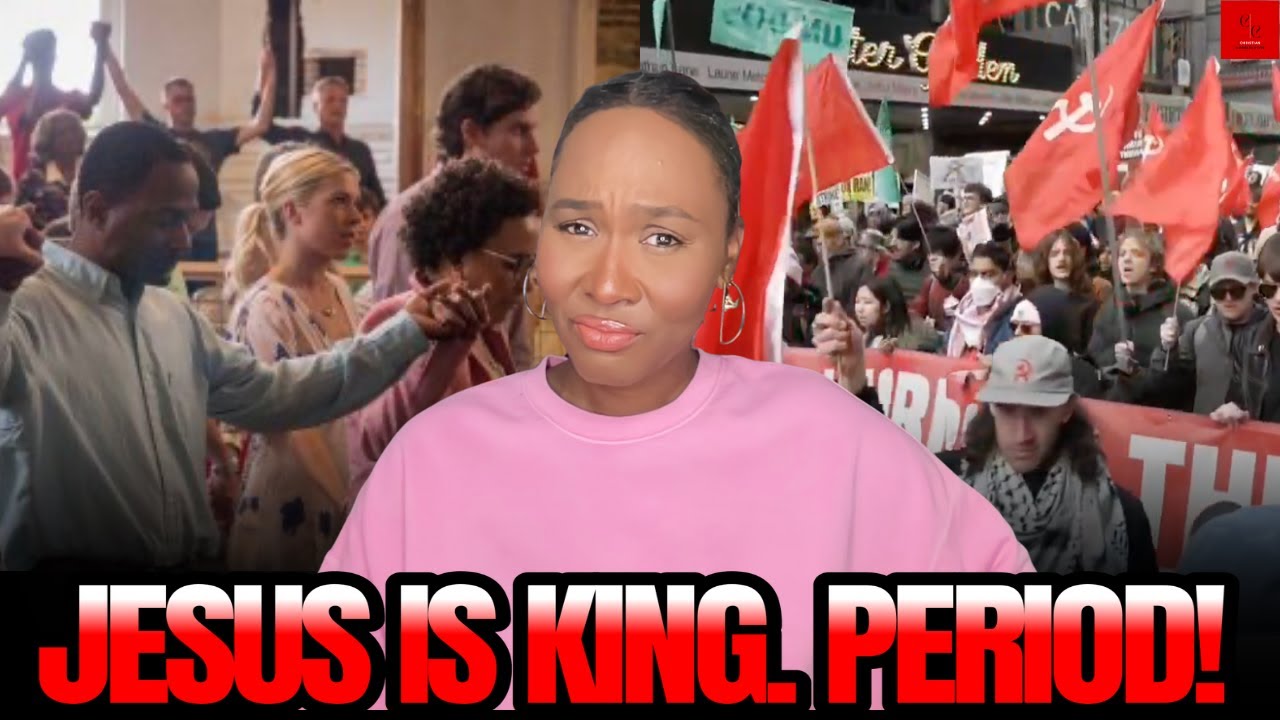



Christian Conservatives Warn Sharia Law and Radical Secularism Are Eroding Western Values
A growing number of Christian conservatives are sounding the alarm over what they see as a direct clash between Western values and the rise of both radical Islam and radical secularism in the United States and across the West. The warning is not simply about religion. It is about governance, culture, national identity, and whether America still has the will to defend its constitutional foundations.
That debate intensified after comments from Iranian-American physician Dr. Sheila Nazarian, who spoke candidly about her family’s escape from Iran and her concerns about Sharia law. Nazarian argued that many Americans misunderstand Islam by treating it solely as a private faith instead of recognizing its political and legal dimensions in countries governed by Islamic law.
Her perspective resonated with many conservatives because it came from someone who lived through the consequences of an authoritarian Islamic regime. Nazarian described Sharia law as fundamentally incompatible with Western freedoms, particularly for women and religious minorities. She pointed to restrictions placed on women in Islamic countries and warned Americans not to ignore the realities many Middle Eastern families fled to escape.
For many Christian conservatives, the concern goes beyond foreign policy. They see a broader cultural surrender unfolding inside the United States itself. Pastor Philip Anthony Mitchell recently warned that Christianity is steadily losing influence in the same way it did throughout parts of the Middle East and North Africa centuries ago. His message was direct: Christians who refuse to confront hostile ideologies today may leave future generations with a country they no longer recognize.
The argument conservatives are increasingly making is that America now faces pressure from two competing forces that ultimately produce the same outcome: the erosion of biblical values and constitutional order. On one side is radical Islam, which critics argue seeks governance through religious law. On the other is radical secularism, which many conservatives believe attempts to erase biological distinctions, undermine Christianity, and redefine morality through government institutions, schools, and media.
Canada has become a frequent example in these conversations. Viral clips featuring expanding LGBTQ activist language and government-backed ideological messaging are often cited by conservatives as evidence of a society abandoning common sense in the name of inclusion. Critics argue that what was once framed as tolerance has evolved into compelled cultural conformity.
At the same time, concerns over immigration and crime continue fueling public frustration. Emotional testimony from so-called “Angel Families” – families who lost loved ones due to crimes committed by illegal immigrants – has become a powerful political issue. One mother described how her daughter’s life was permanently destroyed after being struck by an illegal immigrant driver. Her testimony reinforced a point conservatives repeatedly make: illegal immigration is not a victimless crime.
The issue of justice also dominated discussion surrounding activist judges and violent repeat offenders. Florida Governor Ron DeSantis recently called for the impeachment of a judge who released a convicted child predator who later allegedly murdered his stepdaughter. Conservatives argue cases like this reflect a justice system increasingly more concerned with protecting criminals than protecting innocent Americans.
Underlying all of these debates is a larger question many conservatives believe America can no longer avoid: what happens when a society stops defending its moral framework?
For Christian conservatives, this is not simply about politics. It is about preserving a civilization built on biblical morality, national sovereignty, law and order, and individual liberty. They argue that Western nations often collapse gradually, not through military conquest, but through cultural exhaustion, moral confusion, and leadership unwilling to confront dangerous ideas directly.
Whether discussing Sharia law, open borders, activist judges, or radical gender ideology, the warning from many on the right remains the same: a nation that loses confidence in its own values eventually loses the nation itself.