

Trump Tightens the Squeeze on Iran While Democrats in Minnesota Struggle Under Mounting Fraud Scandals
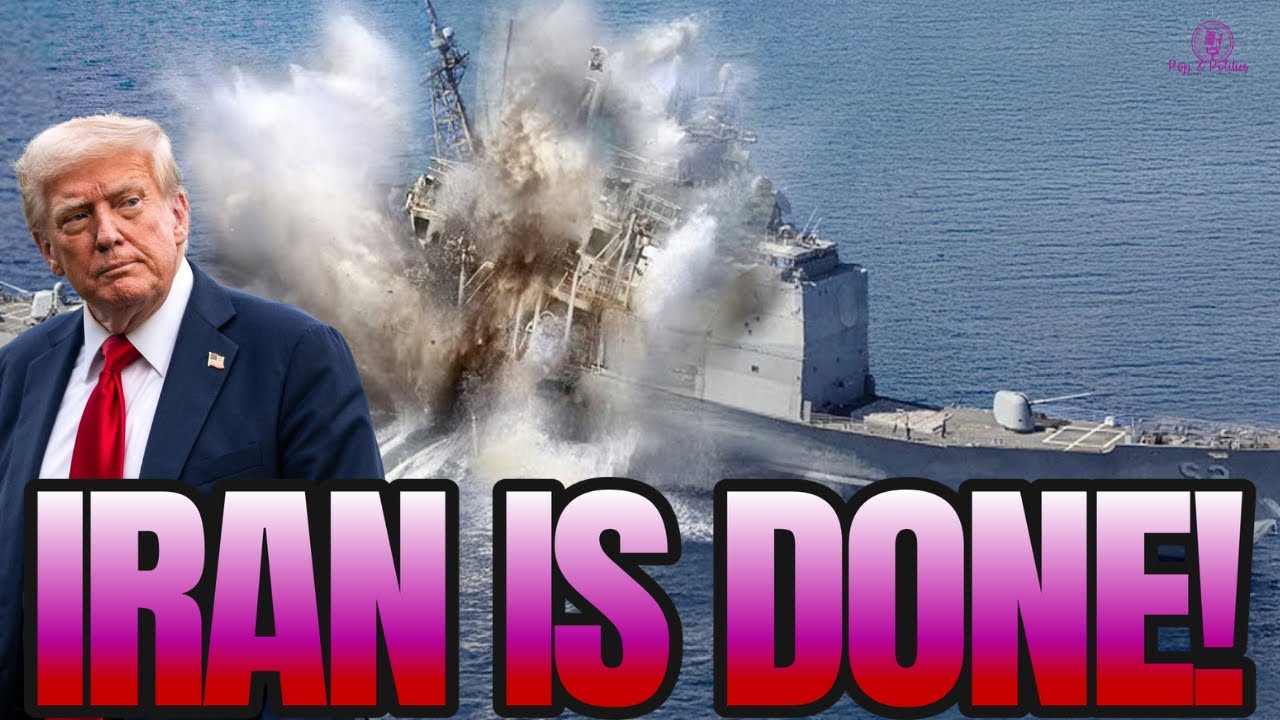
President Donald Trump’s newly announced maritime blockade targeting Iran is rapidly reshaping both the global energy conversation and the political debate at home. While the Biden-era foreign policy establishment warned for years that aggressive action against Tehran could destabilize markets, early indicators suggest the opposite may be happening: oil markets remain stable, U.S. leverage is increasing, and Iran’s economic pressure points are becoming painfully visible.
According to the administration’s directive, all vessels traveling to or from Iranian ports now face interdiction and possible seizure. The blockade allows normal traffic through the Strait of Hormuz while specifically targeting Iran’s maritime trade network. Supporters argue the strategy isolates Tehran economically without triggering a full-scale disruption to global oil supplies.
Analysts estimate the blockade could cost Iran hundreds of millions of dollars per day in lost exports. The pressure is especially severe because Iran relies heavily on seaborne oil shipments to keep its economy functioning. With storage capacity reportedly limited, Tehran faces the possibility of shutting down portions of its oil extraction infrastructure if exports remain frozen for an extended period.
The broader geopolitical significance is becoming harder to ignore. Trump allies are framing the blockade as a demonstration of renewed American naval dominance and a signal that the United States intends to reassert control over critical global trade routes. Supporters believe the move puts Iran in a lose-lose position: negotiate under pressure or face long-term economic isolation.
What makes the strategy notable is that several Middle Eastern nations appear reluctant to defend Iran publicly. Reports discussed during the broadcast indicated the UAE signaled support for the United States if military enforcement becomes necessary, while Saudi Arabia has reportedly expressed concern about escalation but stopped short of openly opposing the blockade.
For many conservatives, the issue goes beyond foreign policy. The conversation quickly turned toward economics and energy independence. Rising confidence in American energy production, combined with increased global demand for U.S. oil and gas exports, is fueling optimism among Trump supporters who believe the administration’s strategy could eventually reduce fuel prices while weakening hostile regimes abroad.
At the same time, outrage continues building over allegations of massive government fraud in Minnesota under Governor Tim Walz and Attorney General Keith Ellison. Republican lawmakers pushed impeachment resolutions against both officials after investigations revealed billions in taxpayer dollars may have been lost through failed oversight and fraudulent programs.
One of the most striking moments came from a longtime Minnesota state employee who testified publicly about retaliation after reporting suspicious contracts and potential fraud inside the system. The whistleblower described being labeled racist, isolated professionally, and effectively blackballed after attempting to raise concerns through official channels.
Her testimony reinforced a growing frustration among conservatives who argue the real issue is not simply corruption by individuals, but an entrenched bureaucracy that protects itself at the expense of taxpayers. Critics say the Minnesota scandal represents a larger national problem: systems designed to shield government institutions rather than expose wrongdoing.
That frustration deepened further after new allegations surfaced involving Representative Ilhan Omar and a questionable federal earmark tied to a supposed substance abuse clinic in Minneapolis. According to claims discussed during the program, the facility allegedly operated out of a small restaurant location connected to individuals sharing the same residential address on IRS paperwork.
For many voters, these stories feed into a broader concern about fraud, waste, and abuse inside government at every level. Conservatives increasingly believe fiscal accountability may become one of the defining issues heading into future elections, particularly as Americans continue dealing with inflation, taxation, and distrust in public institutions.
The contrast between aggressive foreign policy abroad and growing distrust of government at home highlights the political environment heading into the next election cycle. Trump supporters view the Iran blockade as an example of decisive leadership. Meanwhile, fraud investigations in Minnesota continue fueling demands for accountability from elected officials who critics say treated taxpayer dollars like a private slush fund.
For urban conservatives watching these developments unfold, the message is clear: Americans are demanding stronger borders, stronger oversight, and leaders willing to confront corruption directly instead of protecting political allies.