

Jasmine Crockett’s Comments to Angel Moms Reveal the Left’s Blind Spot on Illegal Immigration
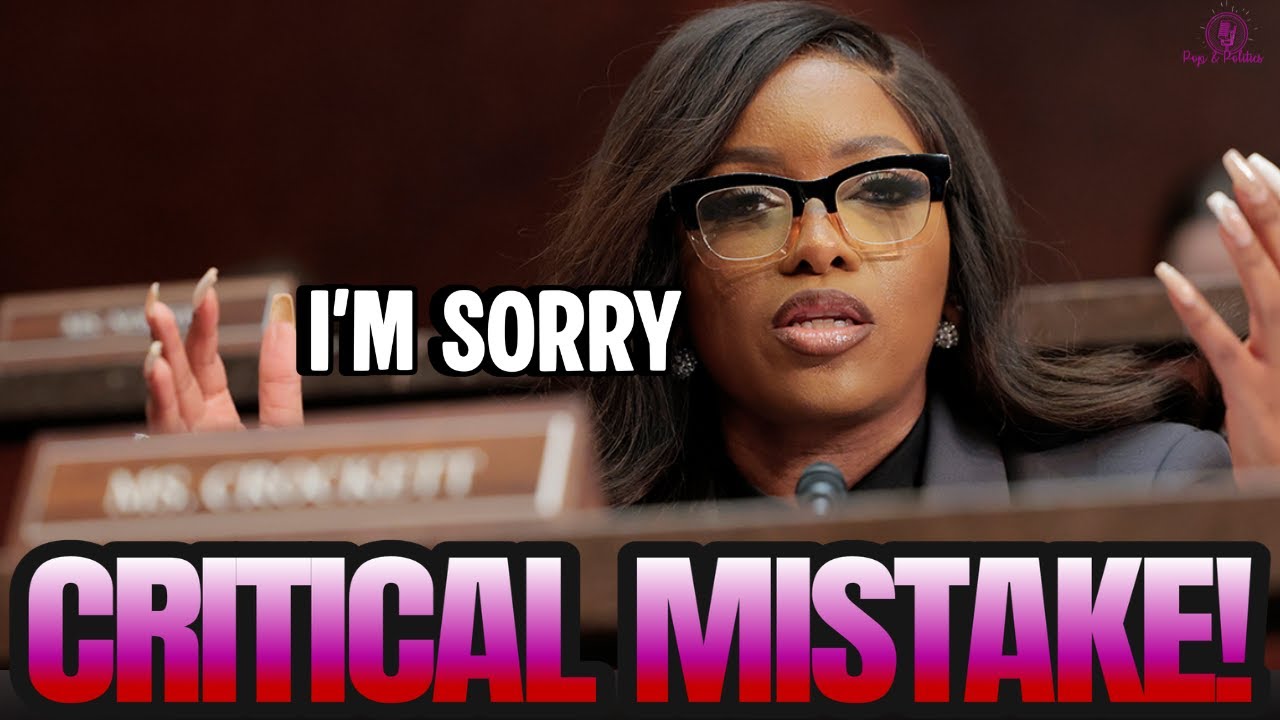
Rep. Jasmine Crockett is facing fierce backlash after comments she made during a congressional hearing involving Angel Moms, parents whose children were killed by illegal immigrants protected under sanctuary policies. Critics say Crockett’s remarks exposed just how disconnected many Democrats have become from the real-world consequences of illegal immigration and soft-on-crime governance.
During the hearing, Crockett argued that grief is the same regardless of who commits the crime. In her view, whether a child is killed by an American citizen or an illegal immigrant, the pain for the parents remains identical. While technically true on a human level, many Americans saw her comments as cold, dismissive, and politically tone-deaf.
For the Angel Moms sitting in that hearing room, the issue was never simply about grief. It was about preventable tragedy.
One mother described losing her children to an illegal immigrant who should never have been in the country in the first place. Another emphasized that sanctuary policies and lax immigration enforcement created conditions where violent offenders were allowed to remain in American communities. To these families, the distinction matters because the deaths were avoidable.
That point resonated far beyond the hearing room.
Americans increasingly see a pattern emerging in major Democrat-run cities and states: leaders downplay illegal immigration concerns while simultaneously pushing policies that weaken law enforcement, reduce criminal penalties, and prioritize political narratives over public safety. Critics argue that Crockett’s remarks fit neatly into that broader worldview.
The outrage intensified when lawmakers entered into the congressional record reports detailing thousands of arrests involving illegal immigrants tied to violent crimes, gang activity, and sex offenses during operations in states like Minnesota and Illinois.
For many voters, this debate is no longer theoretical.
Cities like Chicago, New York City, and parts of Maryland are already struggling with rising crime, overwhelmed services, and growing frustration over sanctuary policies. Families who obey the law increasingly feel abandoned by leaders who appear more concerned about protecting illegal immigrants than protecting citizens.
The political fallout may only grow worse for Democrats as concerns over juvenile crime and public disorder continue spreading nationwide.
The same discussion surrounding illegal immigration quickly shifted into broader frustrations over crime, particularly the rise of organized juvenile “wilding” incidents and teen mob violence in urban areas. Commentators pointed to the anniversary of the 1989 Central Park attacks as a reminder of what happens when cities refuse to enforce order consistently.
Critics argue today’s progressive leaders are repeating many of the same mistakes from past decades, only now with even less accountability.
At the center of the frustration is a growing belief that progressive politicians routinely minimize the impact of crime on ordinary Americans while framing every concern as political theater. Whether the issue is illegal immigration, organized retail theft, or violent juvenile offenders, voters increasingly feel their fears are being dismissed rather than addressed.
That frustration extends beyond Washington.
In states like Maryland and Virginia, conservatives are warning that progressive lawmakers are pushing policies that weaken communities while simultaneously expanding government control through higher taxes, relaxed criminal enforcement, and redistricting efforts designed to lock in long-term political power.
The core issue for many Americans is simple: government exists first to protect its citizens.
When preventable crimes happen because laws were ignored, borders were left unsecured, or violent offenders were shielded from deportation, people expect accountability. Telling grieving parents that “loss is loss” without acknowledging the preventable nature of the tragedy only deepens public anger.
That is why Crockett’s comments struck such a nerve.
This debate is no longer just about immigration policy. It is about whether elected officials still understand the basic responsibilities of government and whether citizens can trust leaders to put public safety ahead of ideology.
For urban conservatives especially, the concern is becoming impossible to ignore. Communities that once felt stable are now grappling with rising disorder, political extremism, and leaders who often appear more interested in narrative management than protecting families.
The 2026 elections will likely become a referendum on exactly that question.