

Trump Defends Iran Strategy While Conservative Critics Turn Against Him
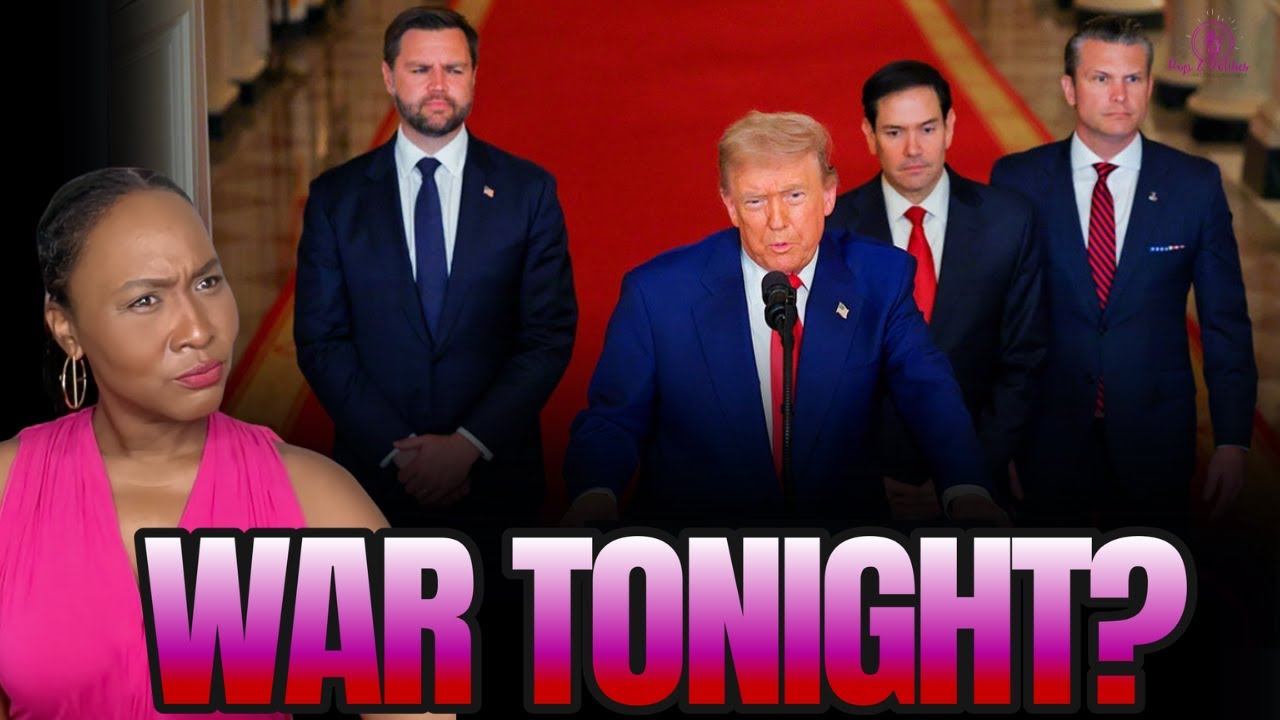
President Donald Trump is facing a wave of backlash from both the Left and members of his own political coalition after issuing a blunt warning to Iran and defending potential military action in the Middle East. But instead of retreating under pressure, Trump doubled down – arguing that strength, not hesitation, is the only language hostile regimes understand.
During a White House press conference, Trump defended his administration’s aggressive posture toward Iran after reports emerged that U.S. forces successfully rescued an American airman stranded behind enemy lines for nearly 48 hours inside Iranian territory. According to military officials, the operation involved deception tactics, precision intelligence, and coordination between American and allied forces.
Trump framed the rescue as proof that America is no longer projecting weakness abroad.
“They have no navy, no air force, no communication,” Trump said of the Iranian regime. “All I want is a safe world.”
The rescue operation immediately became symbolic of a broader message coming from the Trump administration: the era of endless hesitation is over.
The larger issue now centers on the Strait of Hormuz, one of the most strategically important shipping lanes in the world. For decades, instability in the region has threatened global energy markets, supply chains, and international trade. Trump warned Iran that continued interference with maritime traffic could trigger devastating consequences, including strikes on infrastructure targets.
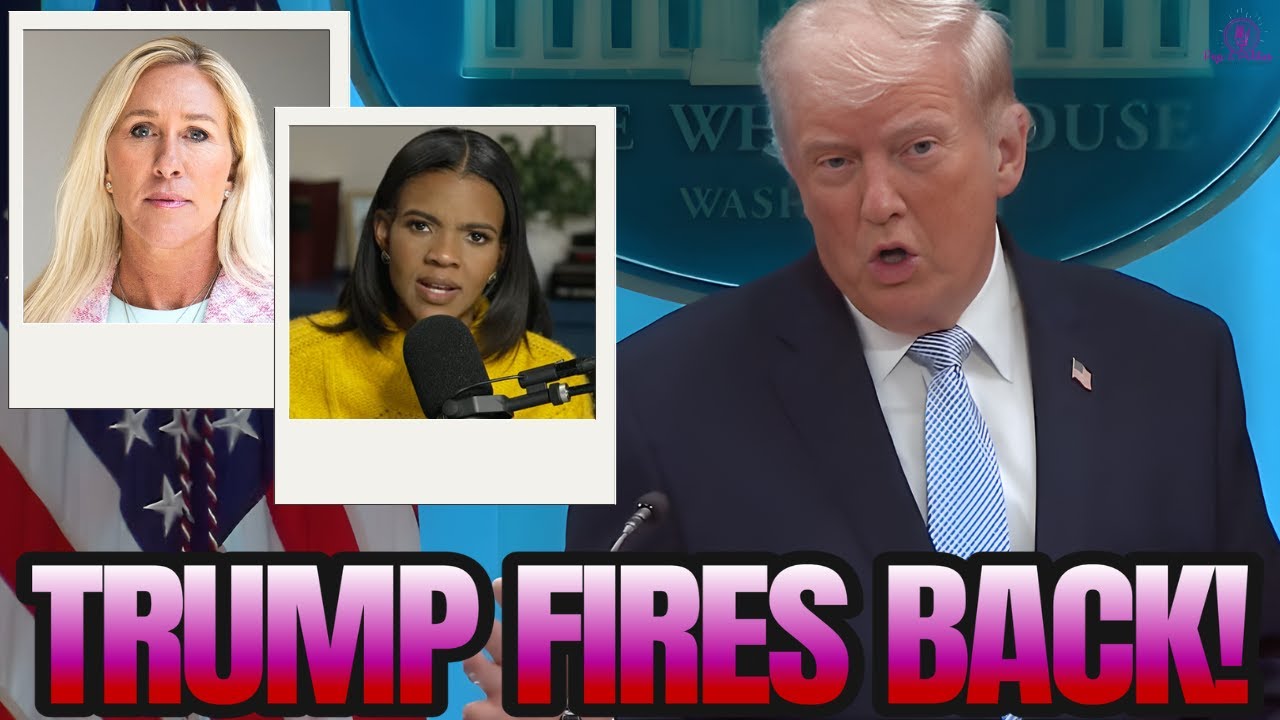
That rhetoric sparked outrage from critics, including former allies like Marjorie Taylor Greene and Candace Owens.
Greene accused Trump of “madness” and questioned whether Christians in his administration should continue supporting him. Owens escalated even further, labeling the administration “satanic” and calling for world leaders to treat Trump as unstable.
But many conservatives see the criticism as wildly disconnected from reality.
Trump’s supporters point to his foreign policy record, arguing that he has repeatedly pushed adversaries toward negotiations while avoiding large-scale nation-building disasters that defined previous administrations. They also note that Trump inherited a world already destabilized by years of weak deterrence, proxy conflicts, and failed diplomatic agreements.
Even critics of interventionism acknowledge the strategic significance of the Strait of Hormuz. Roughly one-fifth of the world’s oil passes through the narrow waterway. Any disruption there immediately impacts fuel prices, global markets, and economic stability worldwide.
The debate inside the conservative movement now comes down to one core question: what does “America First” actually mean in practice?
For some, it means complete disengagement from foreign conflicts. For others, it means using overwhelming strength to prevent larger wars before they begin.
Trump clearly falls into the second category.
Supporters argue that his warnings are designed to force Iran back to the negotiating table, not launch another Iraq-style occupation. Trump himself emphasized that he does not want to destroy Iran or rebuild another nation overseas. But he also made clear that if American interests or allies are threatened, he will act decisively.
That distinction matters.
Critics often portray any military pressure as reckless escalation, but the administration argues that weakness invites greater instability. Iran’s regime has spent decades funding proxy groups, threatening regional neighbors, disrupting shipping routes, and openly chanting “Death to America.” Many voters believe deterrence only works when adversaries believe consequences are real.
At the same time, Trump used Easter weekend to deliver one of the most openly Christian presidential messages in recent memory. Speaking about the resurrection of Jesus Christ, Trump discussed faith, redemption, and God’s love in language rarely heard from modern American presidents.
That speech sharply contrasted with accusations that the administration is somehow “anti-Christian.”
Whether voters agree with Trump’s Iran strategy or not, one thing is becoming impossible to deny: the old Republican foreign policy consensus is collapsing. A new divide is emerging between nationalist conservatives who favor selective force projection and populist isolationists who want America completely removed from overseas entanglements.
The outcome of this debate could define not only Trump’s presidency, but the future direction of the conservative movement itself.
As tensions with Iran continue, Americans are now watching two battles unfold simultaneously – one overseas and one inside the political Right at home.