

Faith vs. Culture: The NBA Controversy That’s Forcing Christians to Choose a Side
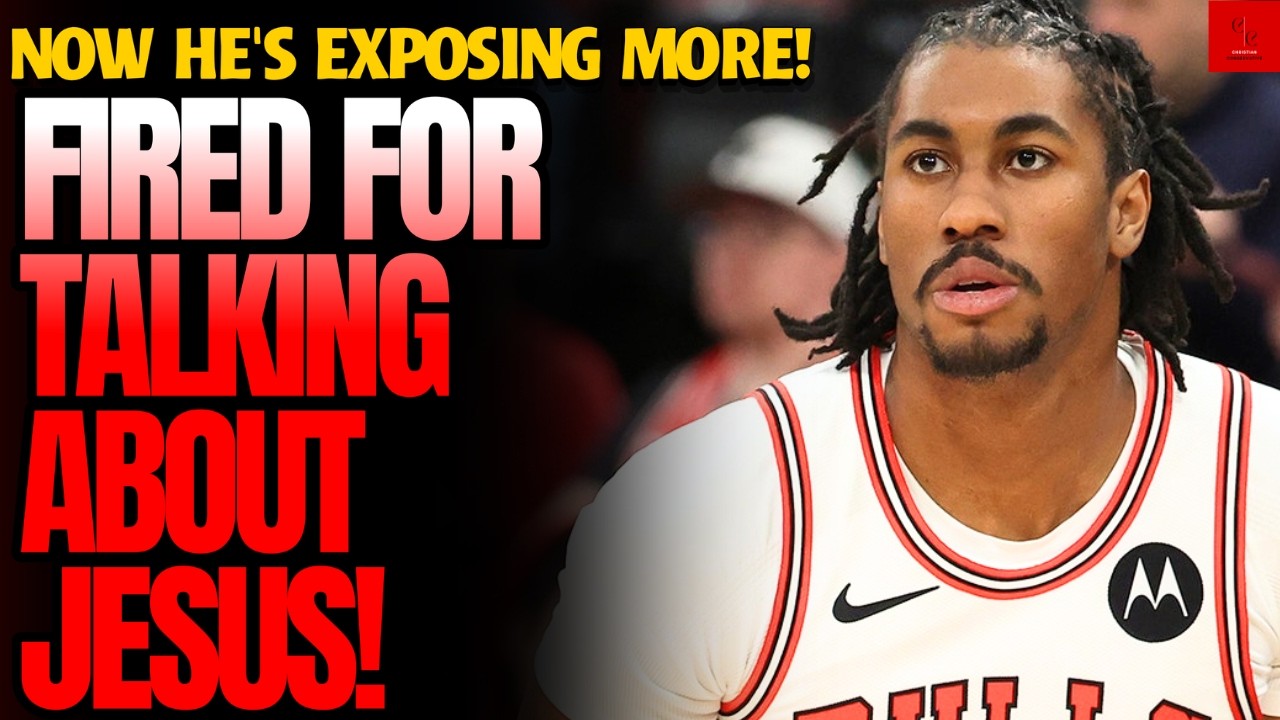
A rising NBA player was reportedly cut from his team after publicly affirming his Christian beliefs, igniting a national debate over faith, free speech, and the growing cultural divide inside professional sports.
The player—identified in discussions as Jaden Ivey—had used social media to speak openly about his relationship with Jesus Christ and to critique the NBA’s promotion of Pride Month. Within hours, he was waived by his team under the vague justification of “conduct detrimental to the organization.” The timing was unmistakable, and for many Americans, so was the message: certain beliefs are welcome in today’s cultural landscape—but biblical Christianity is not one of them.
This isn’t just about one athlete. It’s about the rules of engagement in modern America.
Professional sports leagues like the National Basketball Association have increasingly aligned themselves with progressive cultural causes. Pride campaigns, social justice messaging, and identity politics are not only tolerated—they’re celebrated and promoted at the highest levels. But when a player expresses traditional Christian doctrine, even respectfully, the reaction can be swift and punitive.
That double standard is what has many believers asking: why is one worldview elevated while another is suppressed?
The player at the center of the controversy made it clear that his convictions were rooted in scripture. He spoke about being “born again,” emphasized that his identity is found in Christ rather than basketball, and stated plainly that certain behaviors promoted in modern culture conflict with biblical teaching. He also clarified that his stance was not rooted in hatred toward individuals, but in adherence to what he believes is God’s truth.
That distinction—between loving people and disagreeing with behaviors—is foundational to Christian theology. Yet in today’s climate, it’s increasingly treated as unacceptable.
Critics argue that professional athletes, as representatives of major brands and organizations, should avoid statements that could alienate fans or sponsors. But that argument quickly falls apart under scrutiny. Athletes regularly speak out on political, social, and cultural issues—often with full institutional support. The real issue isn’t whether players can speak. It’s which viewpoints are permitted.
And right now, biblical Christianity appears to be on the wrong side of that line.
This raises a deeper question for believers: can Christians remain in influential cultural spaces without compromising their faith?
Some argue that if a system is fundamentally opposed to Christian values, believers should step away and build alternatives. Others insist that retreat is not the answer—that Christians are called to be present in every sphere of society, including sports, entertainment, and media, even when it comes at a cost.
That tension is not new. It echoes a broader cultural shift happening across the country.
The same pattern is playing out in politics. Michigan State Representative Karen Whitsett, a lifelong Democrat, recently broke ranks with her party, stating plainly that she could no longer reconcile her Christian faith with policies promoting abortion and gender ideology. Her conclusion was stark: the modern Democratic platform has moved so far left that it forces believers into moral compromise.
This is the pressure point.
Whether in sports, government, or culture, Christians are increasingly being asked to choose: stay silent and remain accepted, or speak truth and risk everything.
For many, the answer is becoming clearer.
This moment is not just about censorship—it’s about conviction. It’s about whether faith is something private and negotiable, or something public and unshakable. The player at the center of this controversy made his choice. He chose to speak.
And now the culture has responded.
What’s Really at Stake?
- Freedom of belief vs. cultural conformity: The issue is not speech itself, but which beliefs are protected.
- Biblical conviction: Christianity teaches love for all people, but also calls for moral clarity.
- Cultural participation: Christians must decide whether to engage culture or withdraw from it.
FAQ
Was the player officially fired for his beliefs?
The official reason cited was “conduct detrimental to the team,” but the timing suggests his statements played a key role.
Is this legal?
Private organizations have broad discretion over employment decisions, though the cultural implications remain significant.
Why does this matter beyond sports?
Because it reflects a broader trend affecting workplaces, schools, and public life across the country.
Conclusion & Next Steps‘
This controversy is bigger than basketball. It’s a snapshot of a nation wrestling with truth, tolerance, and the limits of both.
For Christian conservatives, the takeaway is clear: silence is no longer a neutral option. Whether in your workplace, your community, or your conversations at home, the question remains—will you stand firm when it counts?
Now is the time to know what you believe, why you believe it, and how far you’re willing to go to defend it.