

Democrats Push Victimhood While Stacey Abrams Faces Renewed Scrutiny Over Campaign Finance Violations
For years, Stacey Abrams built a national political brand on one central argument: America is systemically rigged against black voters, conservatives are suppressing democracy, and Republicans are undermining civil rights. That message made Abrams a media darling, elevated her into Democrat royalty, and turned her into one of the most recognizable political figures in the country.
Now, that carefully constructed image is colliding with a growing controversy surrounding campaign finance violations tied to organizations she founded and led.
The issue centers around the New Georgia Project, a voter registration nonprofit Abrams launched in 2013. According to reports discussed during the latest episode of Pop and Politics, the organization admitted to multiple violations of Georgia campaign finance law and agreed to pay a $300,000 fine — reportedly the largest campaign finance penalty in Georgia history. Critics argue the scandal exposes a deeper problem inside modern Democrat politics: the same activists constantly lecturing Americans about “saving democracy” often appear unwilling to follow the rules themselves.
That contradiction is becoming harder for voters to ignore.
Abrams spent years claiming elections were unfair, warning about “authoritarianism,” and framing conservative governance as a threat to minority communities. Yet investigators are now examining whether political organizations connected to her improperly handled millions of dollars during the 2018 Georgia gubernatorial race. Opponents say the controversy reinforces public frustration with what many see as selective outrage from Democrat activists.
The broader criticism goes beyond Abrams personally. Increasingly, many Americans are rejecting a political strategy built entirely around race, grievance, and victimhood narratives. Voters struggling with inflation, crime, and economic uncertainty are asking practical questions: Why are Democrat leaders still focused on identity politics while everyday communities deal with rising costs and declining public safety?
That frustration surfaced repeatedly throughout the discussion.
Panelists argued that race-based political messaging has become a substitute for accountability. Instead of promoting economic growth, educational improvement, or safer neighborhoods, many progressive activists continue framing nearly every issue through racial division. Critics say the strategy is designed to maintain political loyalty rather than solve real problems.
The debate over race-based politics has intensified nationwide. In cities across America, voters are seeing public officials and activist organizations openly prioritize race in political appointments, hiring practices, and public messaging. Opponents argue that approach directly contradicts the idea of equal treatment under the law.
The result is growing backlash — not just from conservatives, but from Americans exhausted by constant racial polarization.
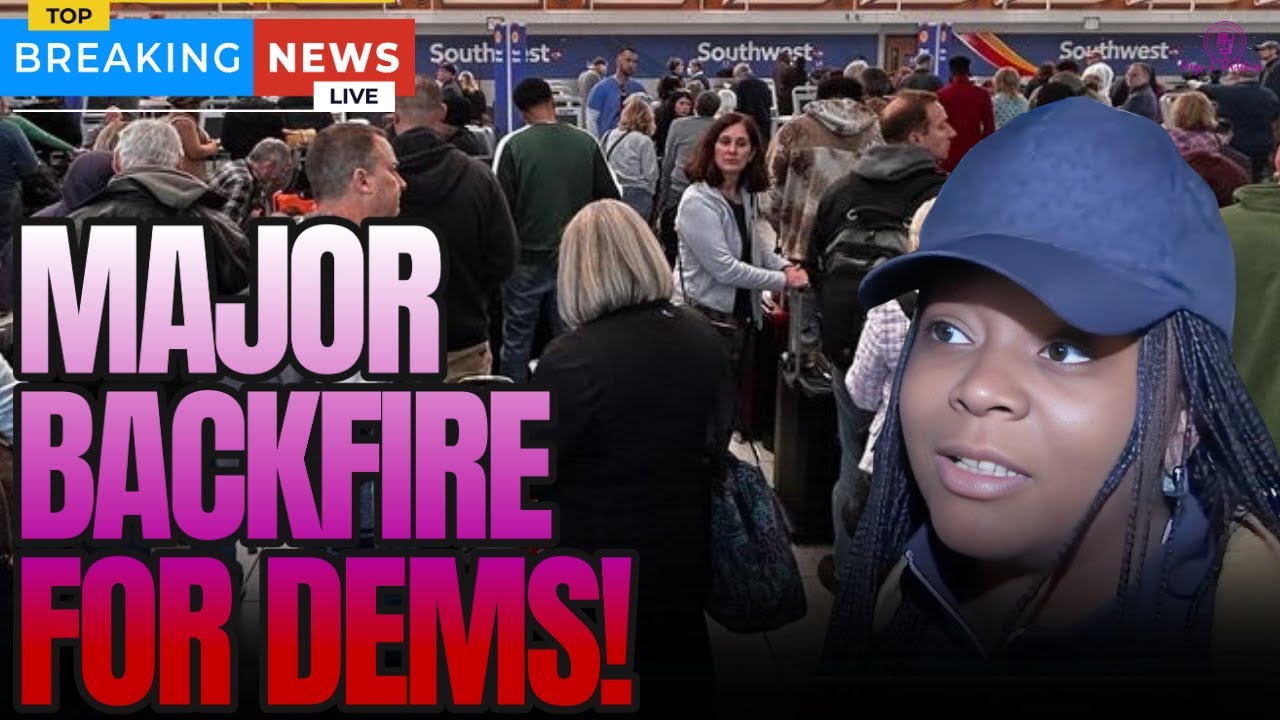
At the same time, critics warn that left-wing activists increasingly normalize destructive behavior while dismissing the consequences. During the episode, panelists highlighted recent comments from progressive media figures defending theft from large corporations as morally acceptable. That rhetoric, they argued, contributes to rising retail crime, store closures, and declining economic opportunity in urban communities.
Retail chains like Walgreens, CVS, and other major businesses have already reduced operations or increased security in high-crime areas across the country. The costs of organized retail theft ultimately fall on ordinary consumers through higher prices, reduced services, and fewer jobs.
Many voters now see a pattern emerging: political activists encouraging resentment while insulated from the consequences themselves.
The same criticism applies to the continued use of slavery narratives and racial guilt politics in modern culture. Americans are increasingly questioning why media institutions, activist groups, and political organizations remain obsessed with keeping racial wounds permanently open decades after the civil rights movement transformed the country.
That does not erase America’s historical sins. Slavery was evil. Segregation was evil. But critics argue modern Democrats weaponize those realities to maintain political power rather than encourage unity or personal responsibility.
Conservative voices increasingly argue the path forward is not endless racial division, but shared national identity, individual accountability, and equal standards for everyone.
That message appears to be resonating with more Americans every election cycle.
The Stacey Abrams controversy matters because it highlights a growing credibility problem inside the Democrat coalition. Americans are becoming skeptical of politicians who demand moral authority while operating under a different set of rules themselves.
And as voters continue rejecting grievance politics, the political landscape may shift even faster than many in Washington expect.



Stacey Abrams, Race Politics, and the Collapse of Democrat Credibility in Georgia
Critics say the Stacey Abrams investigation exposes deeper problems inside Democrat identity politics, campaign finance culture, and race-based activism.