

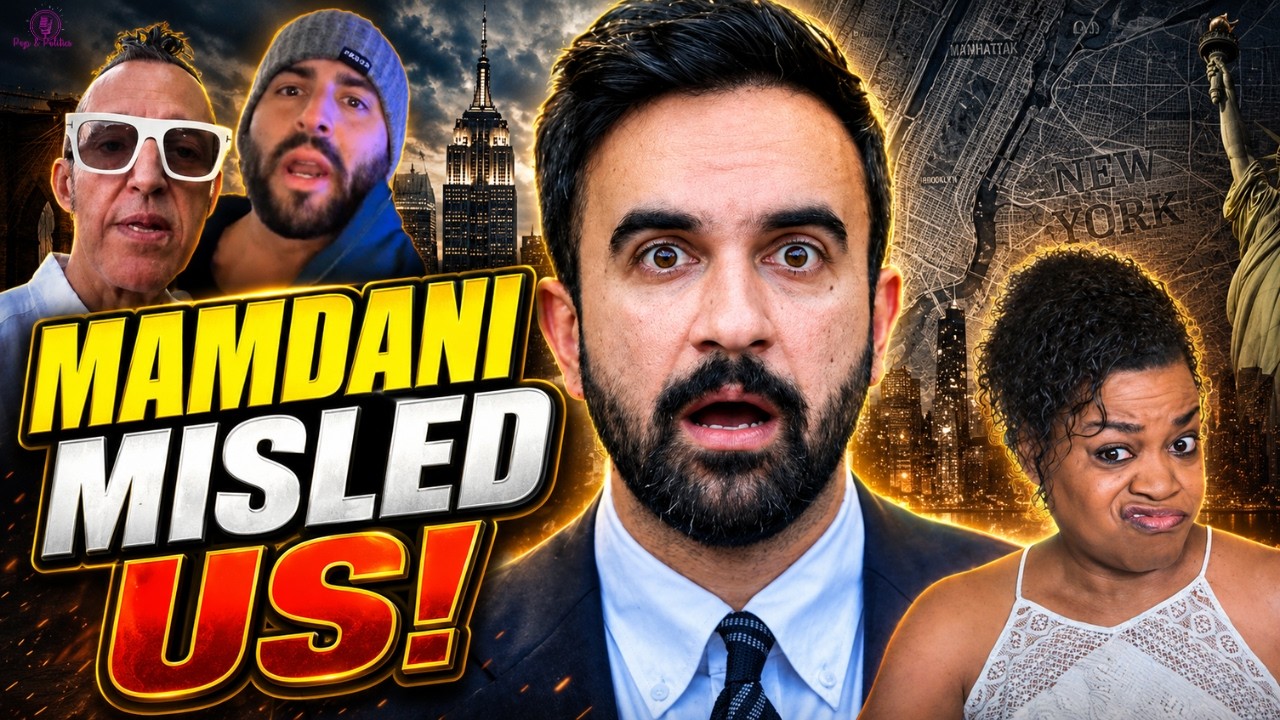
Zohran Mamdani Promised Affordable New York. Residents Say Life Is Only Getting More Expensive.
New York City’s affordability crisis is reaching a breaking point, and many residents are questioning whether Mayor Zohran Mamdani’s signature housing policies are delivering on the promises that helped propel him into office.
Despite a highly publicized rent freeze for many rent-stabilized apartments, market-rate rents across Manhattan, Brooklyn, and other boroughs continue climbing to record levels. At the same time, New Yorkers face some of the nation’s highest tax burdens while raising new concerns about deteriorating public services, homelessness, sanitation, and the overall quality of life.
For many residents, the disconnect between political promises and economic reality has become impossible to ignore.
One of Mamdani’s central campaign themes was affordability. His proposals included rent freezes for stabilized apartments, expanded public services, government-operated grocery initiatives, and other progressive policies intended to ease financial pressure on working families. Critics, however, argue those promises have done little to address the underlying forces driving New York’s housing costs.
The biggest challenge remains simple economics: demand continues to outpace supply.
While rent freezes can temporarily limit increases on existing rent-stabilized units, they do not create new housing. New York continues to face a severe housing shortage, with hundreds of thousands of additional units needed to meet current demand. Without significantly expanding the housing supply, market rents remain under upward pressure regardless of government intervention.
That shortage is creating unintended consequences.
Property owners must still absorb rising insurance premiums, higher property taxes, labor costs, maintenance expenses, and inflation. When rental income is frozen while operating expenses continue climbing, many landlords argue they have little financial incentive to renovate vacant apartments or invest in aging buildings. Some units remain off the market entirely because repairs cannot be justified under existing rent regulations.
Economists have long warned that price controls can reduce available housing by discouraging investment and new construction. Critics contend New York is once again confronting those same incentives.
The affordability debate extends well beyond rent.
Residents continue to pay city, state, and federal taxes while expressing frustration over deteriorating infrastructure, overflowing trash, increased homelessness, heavy traffic congestion, and public safety concerns. Many question why one of the highest-taxed cities in America continues to struggle with basic quality-of-life issues.
The result is growing dissatisfaction among working- and middle-class New Yorkers who increasingly feel squeezed from every direction. High housing costs, elevated taxes, and stagnant affordability have made homeownership and long-term residency feel out of reach for many families.
The broader policy debate centers on two competing visions.
Supporters of expanded government intervention argue affordability requires stronger tenant protections, greater public investment, and additional regulation of the housing market. Opponents counter that excessive regulation discourages development, increases costs, and ultimately reduces the very housing supply needed to bring prices down.
Regardless of where voters stand politically, one fact remains difficult to dispute: New York needs substantially more housing if it hopes to stabilize long-term costs.
Until supply begins catching up with demand, rent freezes alone are unlikely to reverse record-breaking housing prices.
As affordability continues dominating local politics, New Yorkers will ultimately judge city leadership not by campaign promises but by measurable results. For residents paying record rents while facing rising taxes and declining public services, patience is becoming increasingly difficult to afford.