

Carroll County Board of Education Candidate
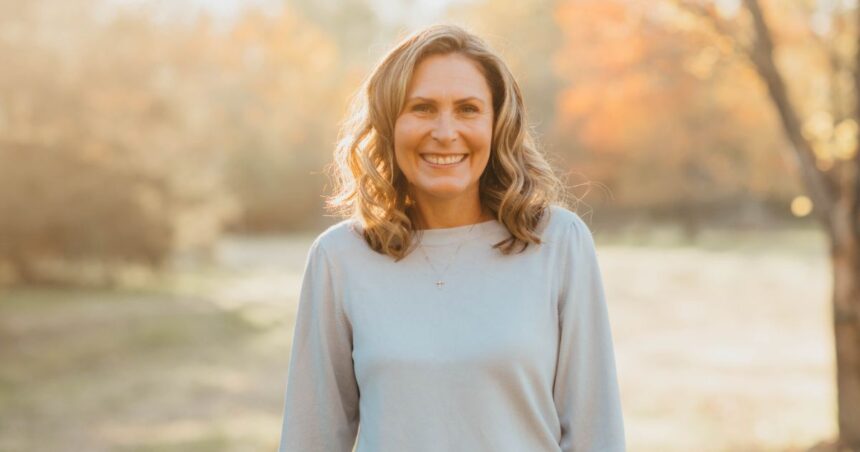
Metro Conservative Media is providing voters with a direct, unfiltered look at candidates in their own words. The following responses from Shannon Hinkhaus have been published as submitted, without editorial modification.
- 1: What is the number one issue facing students and families in your district, and what specific actions would you take to address it?
- 2: Do parents have primary authority over their children’s education? If so, how should that authority be protected?
- 3: What academic metric must improve under your leadership, and what is your measurable target?
- 4: Should curriculum materials be fully transparent and accessible to parents? Why or why not?
- 5: What is your position on school choice?
- 6: Please elaborate on your position on school choice.
- 7: Do you believe school boards should focus strictly on academics, or also engage in social and political advocacy?
- 8: How should schools address discipline and school safety?
- 9: What role should technology play in classrooms?
- 10: How would you ensure fiscal responsibility in your district’s budget?
- 11: If elected, what will success look like at the end of your term?
1: What is the number one issue facing students and families in your district, and what specific actions would you take to address it?
While it is difficult to focus on one main issue, one area that stands out to me is our current approach to technology. During COVID, Carroll County Public Schools used federal relief funds to purchase a laptop for every student. When schools returned to normal operations, that model remained in place. Computers can be valuable tools, but students must first develop foundational skills such as writing, organization, and communication before relying heavily on technology.
Many parents are also concerned that students already spend significant time on screens outside of school, and we should be thoughtful about how much additional screen time we require during the school day.
Today many middle school students depend on learning platforms such as Schoology to locate and submit assignments. This can shift responsibility for organization away from students, since assignments are entered by teachers and students no longer need to independently track their workload. Many students are using computers throughout the day without having received formal keyboarding instruction.
I would begin by proposing to transition elementary away from 1:1 laptops and back toward more traditional classroom instruction. I would then evaluate whether constant device access in grades 6–8 is truly improving learning outcomes and work with educators to determine the most effective balance. Any technology use should be evidence-based and focused on helping students build strong academic and life skills.
2: Do parents have primary authority over their children’s education? If so, how should that authority be protected?
Parents do have primary authority over their children’s education, and that role should be protected through transparency, communication, and meaningful choice. Schools are most effective when there is a strong partnership between families and educators, built on trust and a clear understanding of each role.
Schools should focus on core academic subjects and use proven, evidence-based methods so that the vast majority of families can feel confident and comfortable in what is being taught. While there will never be 100% agreement, maintaining that focus helps reduce division and keeps attention on student achievement.
Parents should always have the ability to review materials and opt their children out of content they believe is not appropriate—particularly when it involves personal, sensitive, or values-based topics, including human sexuality. Any attempt to deliver instruction on such topics stealthily and under the parents’ radar would be highly inappropriate.
Finally, while parents should feel empowered to ask questions and stay engaged, teachers must also be supported when delivering transparent instruction using sound methods. Mutual respect is essential to maintaining a strong and effective school system that serves all students well.
3: What academic metric must improve under your leadership, and what is your measurable target?
Improving early literacy and middle school math outcomes must be a priority. While Carroll County Public Schools performs well compared to other districts, current data shows that only about 65% of students are proficient in early English Language Arts (ELA), and math proficiency drops significantly by middle school.
Rather than identifying a single static number as a goal, I believe in focusing on consistent improvement goals. A reasonable target would be consistent year-over-year growth in proficiency rates, with the expectation that each cohort shows meaningful progress as they move through the system. That includes increasing ELA and math proficiency annually and reversing the sharp decline we currently see in middle school math.
One area that deserves greater attention is early identification of reading challenges, including dyslexia. A significant percentage of students may have characteristics of dyslexia, yet many go unidentified. Ensuring that teachers are trained to recognize early warning signs and use effective, evidence-based reading instruction can help prevent students from falling behind.
As we work to improve outcomes, we must also ensure that our instructional approaches— particularly the use of technology—are strengthening, not replacing, the development of foundational skills in reading, writing, and math.
Ultimately, our goal should be continuous improvement and ensuring every student builds the skills needed for long-term success.
4: Should curriculum materials be fully transparent and accessible to parents? Why or why not?
Yes—curriculum materials should be fully transparent and accessible to parents. Families should never feel like they are in the dark about what their children are learning, or that topics are being quietly introduced into the curriculum to avoid parental scrutiny. When parents are invited to examine and give feedback regarding these aspects of their child’s education, it strengthens the partnership between families and schools, builds trust, and fosters cooperation. That partnership is essential for student success.
In Carroll County, parents are given the opportunity each year to review curriculum materials, which is a positive step. However, access is currently limited to scheduled appointments within a set window. While I encourage parents to take advantage of this opportunity, I am calling for greater flexibility in how and when materials are made available, as it is not always feasible for families to take time off work to participate within a narrow, specified window of time.
5: What is your position on school choice?
Support School Choice with some reservations (e.g., specific to charters/vouchers)
6: Please elaborate on your position on school choice.
I support school choice because families should be able to find the educational setting that works best for their child. There’s no one-size-fits-all approach, and parents should have real options—whether that’s traditional public schools, public charter schools, private schools, or homeschooling. At the end of the day, education should be centered on what works for each student.
I’m a strong supporter of public charter schools as one of those options. They’re still part of the public system and held to state standards, but they have more flexibility in how they operate and that can open the door to better outcomes for some students.
I also recognize that many families choose private schools or homeschooling because those environments are a better fit for their child. Those choices matter, and they deserve to be respected.
When it comes to public funding following students, I think it’s something we should approach thoughtfully. I’m open to ways to expand access and affordability, but I also think we need to be careful about the potential for government oversight to grow once taxpayer dollars are involved. If we truly value choice, we need to make sure we’re not unintentionally limiting the independence of those options.
Overall, I support expanding school choice in a responsible, balanced way—giving families real options, supporting students, and being mindful of the long-term impacts of how we fund those choices.
7: Do you believe school boards should focus strictly on academics, or also engage in social and political advocacy?
There are really two issues here: First, there’s a question of political advocacy from the Board or its members; Second, there’s a question of the Board’s approach and policy toward political advocacy in the classroom.
The answer to the first question is easy. Members of the Board should be focused primarily on providing the students of Carroll County with a world-class education in a safe and secure environment. It would be inappropriate and unacceptable to use the Board as a platform for political advocacy.
At the same time, boards cannot ignore it when families feel that political or ideological perspectives are entering the classroom. Parents have raised concerns about a range of topics—from health curriculum to broader issues like DEI, identity, and how history and civics are presented. In those situations, the Board should listen, ask questions, and ensure instruction remains balanced, age-appropriate, and grounded in facts. Classrooms should educate, not advocate.
Schools should be places where students and families feel comfortable and confident in what’s being taught. When instruction is perceived as promoting a particular viewpoint, it can erode trust. Maintaining that trust is essential.
As a board member, I would work to keep schools focused on academics while respecting the role of families in shaping their children’s values. Schools should teach core knowledge and skills, and families should guide personal beliefs.
8: How should schools address discipline and school safety?
Discipline starts with a pretty basic idea: every student deserves a classroom where they can actually learn, safely and without excessive distraction. Teachers should feel supported in managing their classrooms and have a clear, consistent, and effective way to deal with behavior that disrupts the class. Right now, that process often feels slow, inconsistent, ineffective, and lacking follow-through —and that affects the whole class.
At the same time, discipline isn’t just about punishment. Schools should absolutely use interventions, counseling, and other supports, when appropriate, to help students get back on track—but that only works if parents are genuinely involved. There has to be shared responsibility, with expectations reinforced at home as well as in school. Safe schools and orderly classrooms are built on that. They require clear expectations, consistency, and that everyone – staff, students, and families –be on the same page.
Specific, practical safety measures matter, but relationships matter too. That includes strong partnerships with local law enforcement and having School Resource Officers (SROs) in our schools—not just for emergencies, but as a visible, positive presence who can build trust with students and staff. When you combine that with addressing issues early and keeping communication open, you create a school environment that feels safe, supportive, and conducive to learning.
9: What role should technology play in classrooms?
I believe students need to learn how to use computers—but that doesn’t mean devices need to be built into every subject. Especially in the younger grades, the focus should be on strong fundamentals in reading, writing, and math, without the distraction of screens.
Computer skills should be taught intentionally through dedicated lab time. That’s where students can learn typing, basic programs, and digital literacy in a structured way, rather than trying to pick it up passively while learning core subjects. I think this approach makes sense all the way through middle school. Students need to build independence, organization, and critical thinking without depending on a device for everything.
When it comes to AI, I don’t believe students should be allowed to use it in the classroom for everyday assignments – after all, and especially in the student’s early years, schools exist to develop the intellect and thinking skills of students, not to grade the work of a borrowed intelligence. At most, AI could be introduced for research in a controlled environment, where students are guided on how to use it responsibly and critically, rather than relying on it to do their work.
High school is different. At that stage, it makes sense to start incorporating laptops (and possibly AI, in a controlled manner) into the classroom to prepare students for college and the workforce, but always with clear guidance so technology and AI remain tools, not crutches.
10: How would you ensure fiscal responsibility in your district’s budget?
Carroll County has a long, proud tradition of providing an excellent education for its students while maintaining fiscal responsibility and budgetary discipline. I am firmly committed to maintaining that tradition.
Fiscal responsibility is a top priority for me. While I do not believe our school system is filled with widespread waste, I do believe that strong, consistent oversight is always important. Board members have a duty to fully understand – and be able to explain and defend — how taxpayer dollars are being used.
Our county provides a detailed budget book with hundreds of pages of information. I have begun and will continue the process to thoroughly review it, analyze the data, and ask thoughtful questions when clarification or deeper insight is needed. My background in finance has trained me to compare budgeted versus actual spending and to identify trends or areas that warrant closer attention.
One key area of focus is how we implement Blueprint mandates. We must comply with the law, but we also have a responsibility to ensure we are not spending beyond what is required.
Ultimately, fiscal responsibility comes down to preparation, transparency, and accountability—doing the research, asking the right questions, and working collaboratively with staff to ensure resources are directed toward programs and staffing that improve student outcomes.
11: If elected, what will success look like at the end of your term?
If elected, success at the end of my term would look like real, measurable progress that families can actually see. For example, I’d want to see more students reading on grade level by the end of elementary school, and fewer students falling behind in math as they move into middle school. That tells us our core academics are working.
I’d want to see classrooms where teachers are focused on instruction—not constantly managing distractions from devices and disruptive students —and where technology is used intentionally. If we’ve strengthened foundational skills while still teaching practical computer literacy in appropriate settings, that’s a win.
From a budget standpoint, success means we can clearly explain where the money is going and why. It looks like catching small issues early, asking good questions before costs grow, and making sure we’re implementing state mandates thoughtfully—without adding unnecessary spending.
For parents, success means they feel heard and welcomed to engage. That looks like clearer communication around curriculum and confidence that their concerns are taken seriously. It also means parents can trust that schools are sticking to facts and focusing on academics—not pushing agendas or shifting with political winds.
And at the Board level, success means we’ve created a culture where asking questions is expected, not discouraged, and decisions are made based on data, transparency, and what’s best for students—not politics.
🔻 Editorial Note
Metro Conservative Media publishes candidate responses as submitted and does not edit or endorse responses. Voters are encouraged to review all candidate interviews before making informed decisions.