

Why the Debate Over Accountability, Victimhood, and Black Culture Is Reaching a Breaking Point
A growing debate inside Black America is no longer centered on racism, representation, or political party loyalty. Increasingly, it is centered on accountability.
That debate exploded into public view after commentator Andre Williams appeared on the PBD Podcast and later joined a panel discussion examining crime, family breakdown, government dependency, media narratives, and the future direction of Black culture in America. Williams argued that a destructive subculture – not systemic barriers – has become one of the biggest obstacles facing many Black communities today.
The argument is controversial, but it reflects a growing frustration among Americans who believe conversations about personal responsibility have been replaced by discussions of victimhood.
At the center of the debate is a question that many political leaders, activists, and media personalities often avoid: What happens when communities stop confronting their own internal problems?
Williams argued that crime, family instability, educational decline, and anti-social behavior cannot be blamed entirely on external forces. Instead, he contended that community leaders, media figures, and political activists have spent decades promoting narratives that excuse destructive behavior while attacking those who call for reform.
That criticism extended to high-profile racial controversies, including discussion surrounding the Karmelo Anthony case. Panelists argued that too many public figures immediately frame incidents through the lens of race rather than examining the facts of the case itself. According to the discussion, this pattern has contributed to growing public skepticism toward race-based activism and media coverage.
The conversation also highlighted a broader concern among many conservatives: that political organizations and activist groups continue to benefit from keeping racial grievances at the forefront of public discourse.
Critics of that approach argue that constant appeals to historical injustice may generate political support, but they do little to solve modern problems such as failing schools, violent crime, economic stagnation, and family fragmentation. Instead, they believe these narratives encourage dependency and discourage self-improvement.
One of the most significant themes raised during the discussion was the collapse of family structure. Participants pointed to the decline of two-parent households and the absence of strong male role models as key contributors to many social challenges. While opinions varied on causes and solutions, there was broad agreement that family stability remains one of the strongest predictors of long-term success.
The panel also challenged claims that Black history is being erased from American institutions. Speakers argued that museums, memorials, and educational resources dedicated to Black history remain widely available, while recent disputes are largely focused on how history is presented rather than whether it should be taught.
Beyond politics, the larger question raised throughout the discussion was cultural: What values should future generations embrace?
For many urban conservatives, the answer involves restoring personal responsibility, strengthening families, encouraging entrepreneurship, reducing dependency on government programs, and rejecting narratives that portray Americans as powerless victims of circumstance.
Whether one agrees with Williams or not, the popularity of these conversations suggests a growing appetite for discussions that focus on solutions rather than excuses.
As frustration grows with crime, economic uncertainty, and political division, the debate over accountability inside Black America is likely to remain one of the most consequential cultural conversations of the coming decade.

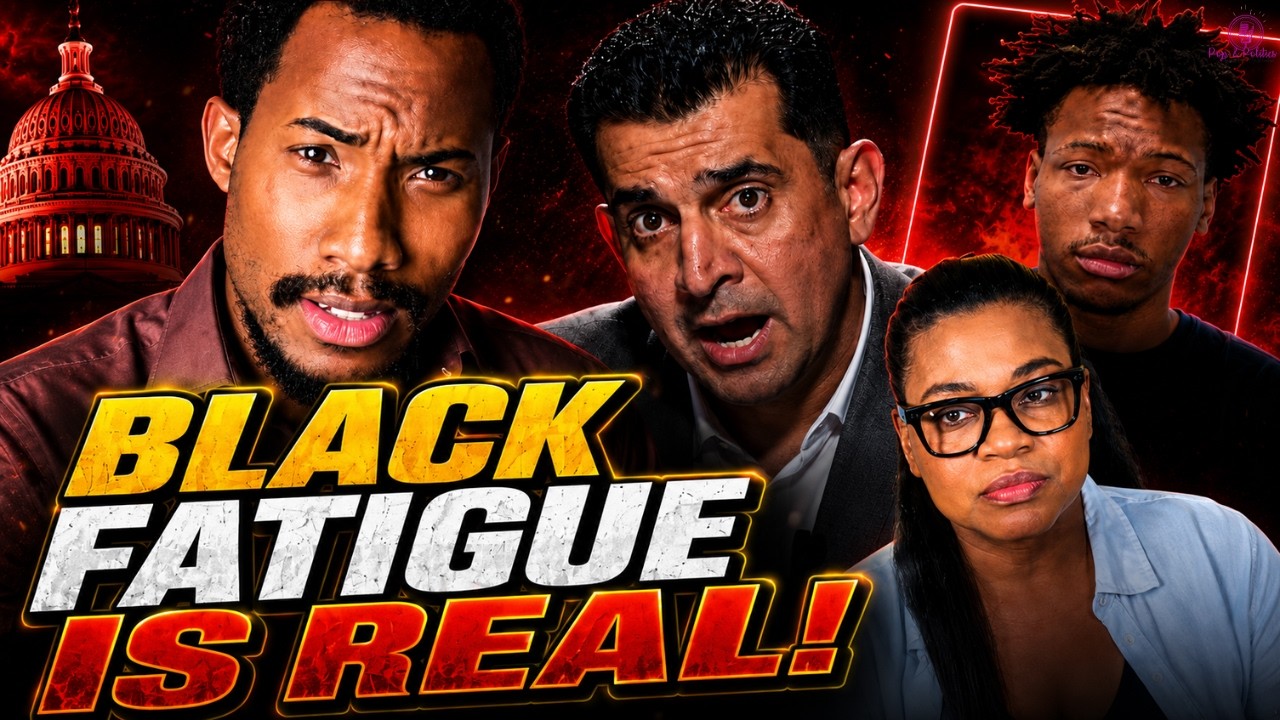



Black Community Accountability Debate Intensifies After Viral PBD Podcast Appearance
Commentators increasingly argue that family stability, personal responsibility, and cultural reform - not political grievance - are the keys to addressing challenges facing Black communities.