

Black Pastor’s Congressional Testimony Pushes Back Against Ilhan Omar’s Vision of Government Assistance
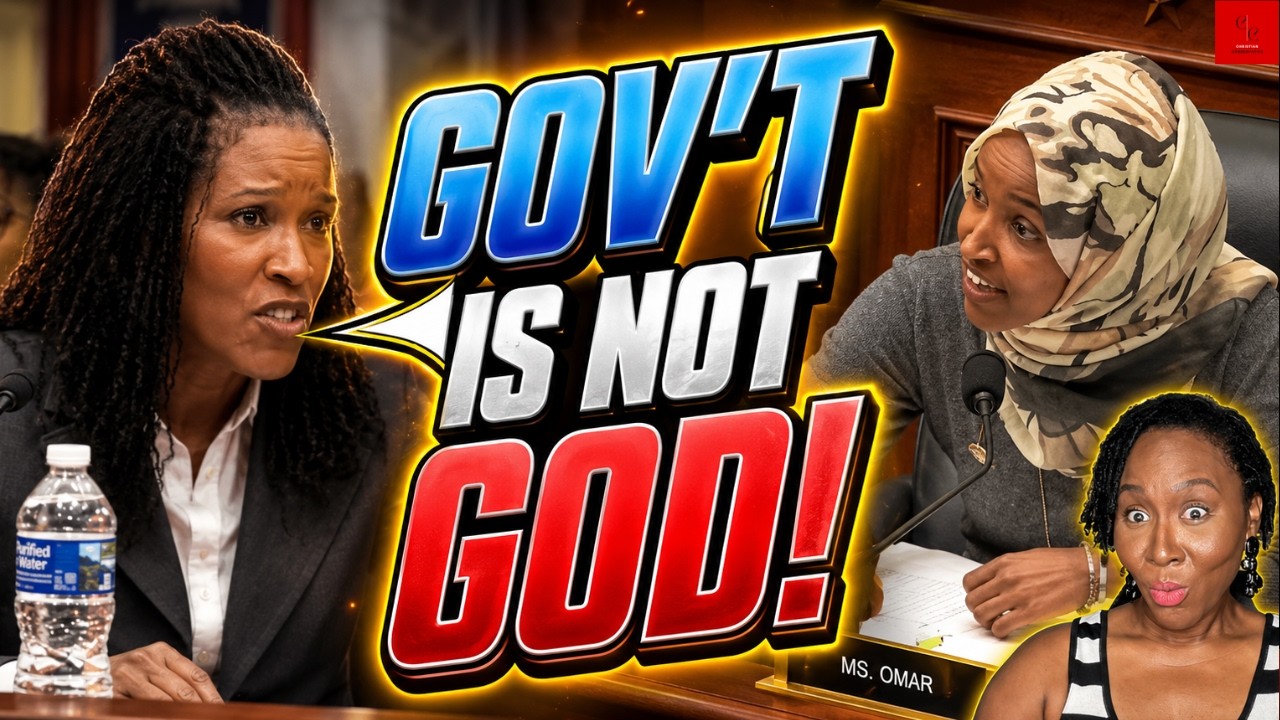
A congressional hearing on poverty and public assistance turned into a sharp philosophical clash when Pastor Latasha Fields challenged the assumption that expanding government programs is the primary solution to lifting struggling families out of poverty. Her testimony prompted an emotional response from Rep. Ilhan Omar, but it was Fields’ personal story of overcoming hardship that became the focal point of the exchange.
Fields did not argue that temporary assistance should disappear. Instead, she presented a different vision – one rooted in personal responsibility, family stability, faith, education, and workforce development rather than permanent dependence on government programs.
Raised in poverty in Louisiana by her grandmother after her mother struggled with addiction, Fields described growing up surrounded by crime, drugs, and welfare dependency. She became pregnant at 17, rejected abortion despite being encouraged to consider it, graduated from high school while pregnant, worked, purchased her first home at 18 through a first-time homebuyer program, and eventually earned a business degree while building a career in real estate, ministry, and Christian education.
Her testimony centered on one idea: difficult circumstances do not have to determine a person’s future.
That message stood in stark contrast to comments from Rep. Omar, who argued that poverty cannot simply be overcome through faith or appeals to love, insisting government has a responsibility to ensure basic human needs are met. The discussion quickly evolved into a broader debate over whether long-term government assistance empowers families or unintentionally creates lasting dependence.
Fields acknowledged that she personally benefited from food stamps and childcare assistance during a difficult period. However, she emphasized that those programs should function as temporary support rather than permanent lifestyles. She argued that the real goal should be helping people become self-sufficient through work, education, and practical skills.
One of the strongest moments of her testimony came when lawmakers questioned her emphasis on hard work. Fields responded that perseverance should not be dismissed simply because someone began life in poverty. She pointed to her own family history, noting that her grandmother purchased a home decades before many modern federal assistance programs existed, reinforcing her belief that opportunity grows through determination rather than dependency.
The discussion also shifted toward workforce development. Rather than expanding entitlement programs indefinitely, Fields advocated making trade schools, apprenticeships, and vocational training more accessible. She explained that both she and her husband relied on skilled trades and education to build financial stability, arguing that practical job training provides a sustainable path out of poverty for many families.
Why the Debate Matters
At its core, the hearing reflected two competing philosophies.
One approach argues government should continually expand programs that provide housing, healthcare, food assistance, and financial support.
The other argues government should provide temporary assistance while prioritizing policies that encourage employment, skills training, entrepreneurship, and family stability.
Fields clearly aligned herself with the second view, insisting that lasting change begins with personal responsibility supported by opportunity rather than permanent dependence.
Key Takeaway
Fields’ testimony also highlighted an often-overlooked distinction in discussions about poverty: acknowledging the need for temporary assistance is not the same as advocating lifelong reliance on government programs. According to her testimony, public assistance served an important purpose during a difficult season, but education, work, faith, and personal accountability ultimately provided the path toward long-term independence.
Whether Americans agree with her conclusions or not, the exchange underscored an enduring policy debate that continues to shape discussions about welfare reform, workforce development, family policy, and the proper role of government. For many conservatives, Fields’ testimony represented a reminder that opportunity, personal responsibility, and strong families remain central pillars in addressing poverty beyond government spending alone.