

Court Rejects Last-Minute Challenge to Trump’s White House UFC Freedom 250 Celebration
A federal court’s decision to allow UFC Freedom 250 to proceed on the White House South Lawn has exposed a growing cultural divide in America: whether national celebrations should reflect elite political preferences or the interests of everyday Americans.
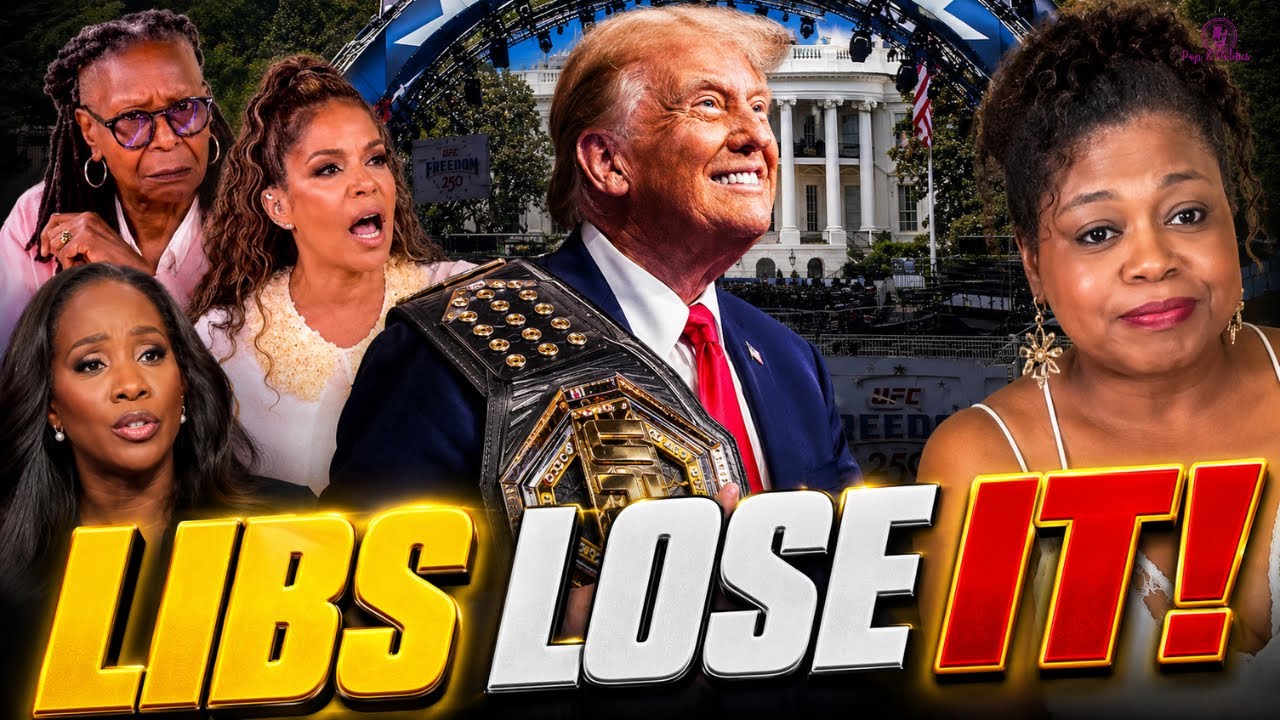
The event, scheduled as part of the broader America 250 celebration, will transform the White House grounds into a temporary UFC venue featuring a custom-built arena, patriotic staging, and thousands of invited guests. Supporters view the event as a unique tribute to America’s 250th anniversary and a celebration of athletic competition, while critics have attacked it as inappropriate for a historic government site.
Opponents attempted to halt the event through a legal challenge, arguing that the temporary structures, environmental considerations, and use of public property required additional scrutiny. The court disagreed, allowing preparations to continue and effectively ending efforts to stop the event before fight night.
The ruling represents more than a legal victory for the Trump administration. It highlights a broader debate over who gets to define American culture.
Critics compared the UFC event to a spectacle that diminishes the dignity of the White House. Some media commentators questioned whether mixed martial arts belongs on the South Lawn at all. Supporters counter that UFC is one of the most popular sports properties in the world and attracts millions of working-class and middle-class fans who rarely see their interests reflected in official Washington events.
For many conservatives, the backlash itself reveals a disconnect between political elites and ordinary Americans. UFC events draw a diverse audience united by competition, patriotism, and appreciation for athletic excellence. To supporters, hosting such an event during the America 250 celebration sends a message that national institutions belong to all Americans, not just political insiders.
The controversy also reignited debate over taxpayer spending. Critics claimed the event would impose costs on the public, while supporters pointed to reports that UFC and event partners are covering the overwhelming majority of expenses associated with construction, production, and operations. That distinction became a central point of contention throughout the debate.
Beyond the legal fight, the discussion reflects a larger political reality facing Democrats. Polling and election results over the past several years have shown Republicans making significant gains among younger male voters. Sports such as UFC, wrestling, and combat athletics have become increasingly associated with audiences that feel overlooked by traditional political and media institutions.
That reality may explain why a sporting event generated such an intense reaction from both supporters and critics. The UFC Freedom 250 celebration is not simply about a fight card. It has become a symbol of competing visions of American identity, patriotism, and public life.
As America approaches its 250th birthday, the debate surrounding the White House UFC event demonstrates how even cultural celebrations have become political battlegrounds. Yet the court’s ruling ensures that, at least for one weekend, the focus will shift from lawsuits and political arguments to a uniquely American spectacle unfolding on one of the nation’s most recognizable stages.