

Jasmine Crockett’s Remarks After the Karmelo Anthony Verdict Reignite Debate Over Race, Justice, and Victimhood
Texas Rep. Jasmine Crockett is facing intense criticism after comments she made about the family of Austin Metcalf following the verdict involving Karmelo Anthony. The controversy has quickly become a flashpoint in a larger national debate over race, accountability, media narratives, and how Americans discuss violent crime.
During a recent discussion, Crockett argued that many Black mothers live with a level of fear and anxiety that the Metcalf family likely never experienced. She also appeared to defend Anthony’s claim that he feared for his safety during the confrontation that led to Metcalf’s death. Those comments immediately drew outrage from critics who viewed them as dismissive of the pain endured by a family that lost a son.
For many observers, the issue is not merely political. It is personal.
The death of Austin Metcalf has become one of the most emotionally charged criminal cases in recent memory. Regardless of race, politics, or ideology, a young man lost his life and a family was left to navigate unimaginable grief. Critics argue that any attempt to frame the tragedy primarily through the lens of racial politics risks overshadowing the central fact of the case: a teenager is dead, and his family must live with that loss forever.
That reality was underscored by statements attributed to Austin’s mother, who described the silence left behind in her home, the empty room that once belonged to her son, and the daily pain of visiting his grave. Her message resonated with many Americans because it focused on something universal: the grief of a parent who has lost a child.
The backlash against Crockett also reflects growing frustration with what many conservatives view as a tendency to filter every high-profile tragedy through racial narratives. Critics contend that public figures often rush to assign broader social meaning before fully acknowledging the victims and families directly affected. In this view, justice should be based on facts, evidence, and individual actions—not racial identity or political convenience.
At the center of the debate is a question that extends far beyond this single case: Does emphasizing racial grievance help heal divisions, or does it deepen them?
Supporters of Crockett argue that discussions about race remain necessary because lived experiences differ across communities. Critics counter that invoking race in cases where a victim’s family is mourning only fuels resentment and further divides Americans who should be united in condemning violence.
The broader concern is that a culture of competing victimhood can obscure personal responsibility. When public conversations focus more on group identity than individual conduct, accountability becomes harder to achieve. For many Americans, that is exactly what they believe happened in the aftermath of the Anthony verdict.
Why does this matter beyond one case?
Because the public response to tragedies often reveals deeper cultural tensions. Questions about fairness, justice, race, media coverage, and political rhetoric continue to shape how Americans interpret major events. When elected officials speak on emotionally charged cases, their words carry weight—and those words can either build understanding or inflame existing divisions.
The controversy surrounding Crockett’s remarks demonstrates just how fragile that balance has become.
As the nation continues to debate the verdict and its implications, one fact remains unchanged: a family lost a son, and no political argument can alter that reality. For many conservatives, that should remain the starting point of every conversation about this case.



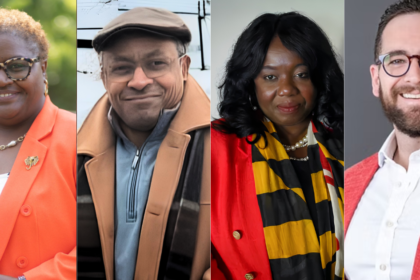



Jasmine Crockett Sparks Backlash After Comments on Austin Metcalf Family Following Karmelo Anthony Verdict
Critics say the congresswoman’s comments shifted attention away from the victim’s family and reignited broader concerns about race-based political narratives.