


Jill Biden’s New Admission Raises Serious Questions About Transparency, Trust, and Political Loyalty
A recent interview featuring former First Lady Jill Biden has reignited one of the most contentious political debates of the 2024 election cycle: what did President Joe Biden’s inner circle know about his condition, and when did they know it?
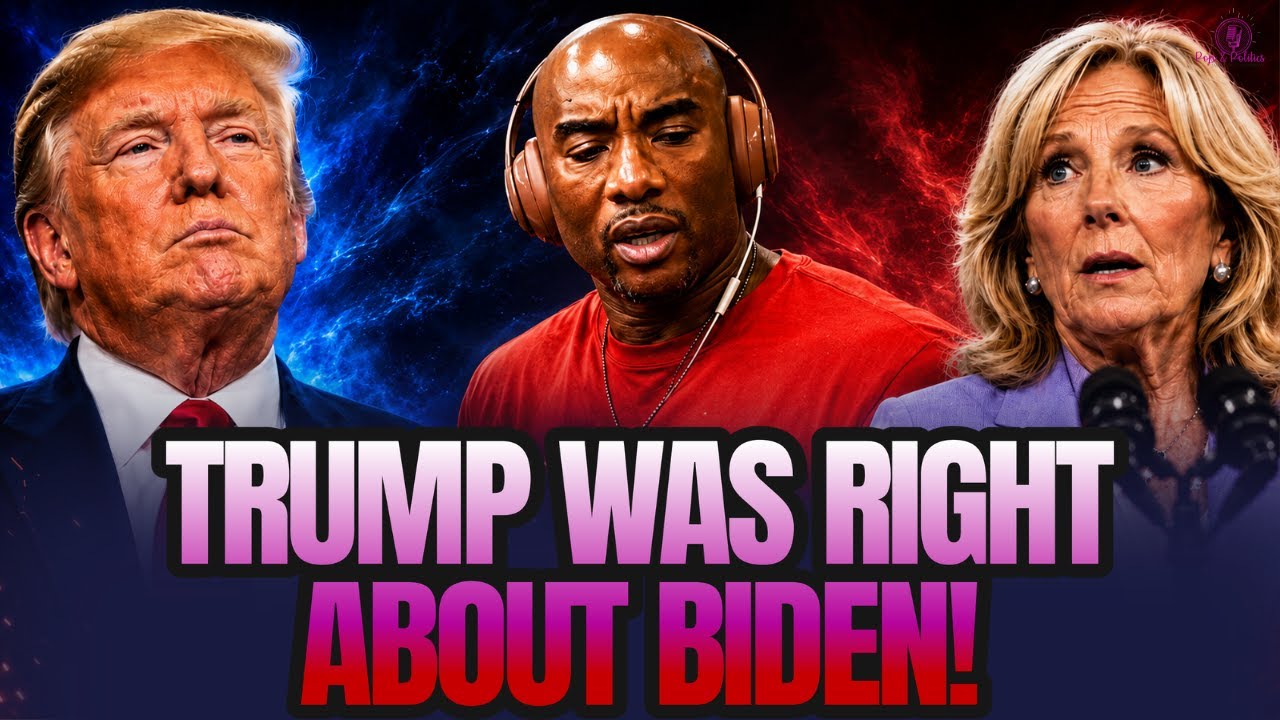
According to comments highlighted in a newly released interview, Jill Biden revealed that while watching President Biden’s disastrous debate performance against Donald Trump, she feared he might be suffering a stroke. That admission stands in sharp contrast to the public messaging Americans received at the time, when concerns about Biden’s health were routinely dismissed as partisan attacks, misinformation, or so-called “cheap fakes.”
The controversy is not simply about one debate performance. It is about public trust.
For months, voters watched a president who frequently appeared confused, struggled through public appearances, and raised growing concerns about his ability to serve another four years in office. Yet many political leaders, administration officials, and major media organizations insisted there was nothing unusual to see. Critics were accused of exaggeration. Questions were treated as disinformation.
Now, with Jill Biden acknowledging she believed something was seriously wrong during that pivotal debate, many Americans are asking whether the public was deliberately misled.
The Bigger Question: Loyalty or Deception?
Political loyalty is expected in any administration. But there is a line between defending a political ally and withholding information that voters deserve to know.
If family members, senior advisors, party leaders, or media figures genuinely believed President Biden was experiencing significant cognitive or physical decline, critics argue they had a responsibility to address those concerns openly rather than dismiss them.
The issue becomes even more significant when viewed through the lens of presidential leadership. The presidency is not simply another political office. It is one of the most demanding positions in the world, requiring constant decision-making on matters involving national security, economic stability, and international affairs.
When questions arise about a president’s capacity to perform those duties, transparency becomes a matter of public interest rather than partisan politics.
Media Credibility Takes Another Hit
The fallout also extends beyond the Biden family.
Many Americans increasingly distrust legacy media institutions because they believe political narratives often take precedence over objective reporting. The Biden health debate has become a prime example for critics who argue that journalists failed to investigate obvious concerns that millions of voters could plainly see.
Independent media outlets spent months highlighting Biden’s verbal stumbles, physical difficulties, and public appearances that raised questions about his fitness for office. Mainstream outlets frequently minimized those concerns until the debate made them impossible to ignore.
For many voters, Jill Biden’s latest comments only reinforce the perception that media organizations were more interested in protecting a political outcome than informing the public.
Why This Matters Beyond One Election
The broader issue extends far beyond Joe Biden.
Every democracy depends on informed voters making decisions based on accurate information. Whether the president is a Democrat or Republican, citizens deserve honest assessments of a leader’s ability to fulfill the responsibilities of the office.
Transparency is not optional. It is foundational.
When political figures, family members, advisors, and media institutions appear more concerned with preserving power than providing truth, public confidence inevitably erodes. Restoring that confidence requires accountability, honesty, and a willingness to confront uncomfortable realities.
Frequently Asked Questions
What did Jill Biden reportedly say?
According to excerpts from a recent interview, Jill Biden said she feared Joe Biden might have been having a stroke while watching his debate performance against Donald Trump.
Why is the statement controversial?
Critics argue that the admission contradicts months of public assurances that concerns about Biden’s condition were unfounded.
Why does this matter politically?
Questions about a president’s health directly affect voters’ ability to evaluate whether a candidate is capable of serving in office.
The Bottom Line
Jill Biden’s comments have reopened a debate many Americans believed was settled after the 2024 election. The issue is no longer simply whether President Biden struggled during a debate. It is whether political leaders, advisors, and media organizations were honest with the American people about what they knew.
For conservatives and many independent voters, the controversy serves as a reminder that truth matters more than party loyalty. A healthy republic depends on leaders who trust citizens with the facts, even when those facts are politically inconvenient.
As more details emerge, voters should continue demanding transparency from elected officials, media institutions, and anyone entrusted with informing the public.