

Young Woman’s Euthanasia in Spain Reignites Global Debate Over Assisted Suicide and the Value of Human Life
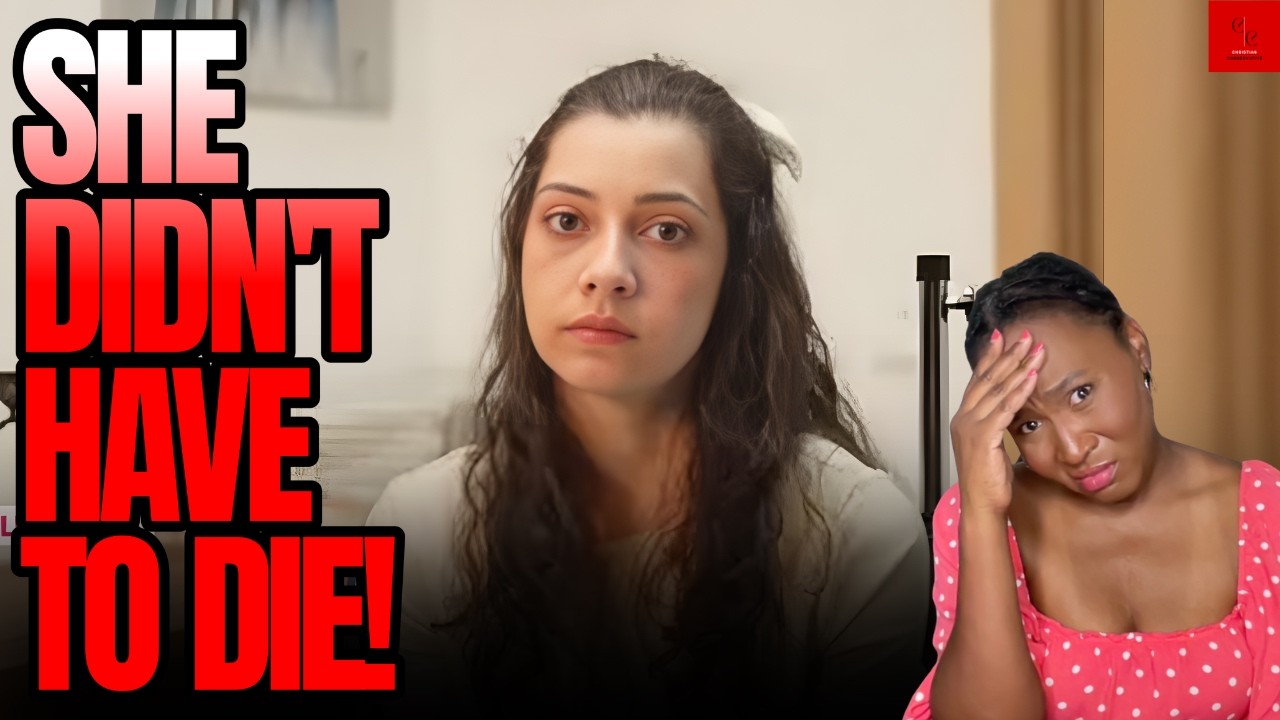
The euthanasia death of 24-year-old Noelia, a young Spanish woman who survived horrific trauma only to later be approved for assisted suicide, has reignited a fierce moral and political debate over the growing normalization of euthanasia in Western culture.
According to reports discussed on Metro Conservative Media’s “Christian Conservative,” Noelia had endured years of instability in Spain’s foster care system before suffering a brutal sexual assault while living in a state-supervised facility in Barcelona. After a failed suicide attempt in 2022 left her paralyzed and struggling with chronic pain, Spain’s legal system ultimately approved her euthanasia request despite objections from her father and Christian legal advocates who argued she was not mentally competent to make such a decision.
For many conservatives and Christians, the story represents far more than an isolated tragedy. It is viewed as another warning sign that modern governments are steadily redefining suffering, human dignity, and even the value of life itself.
Spain legalized euthanasia in 2021, joining countries like Canada, Belgium, the Netherlands, and Luxembourg in permitting medically assisted death under various conditions. Supporters frame these laws as compassionate responses to unbearable suffering. Critics argue they create dangerous incentives for governments and health systems to treat vulnerable people as disposable.
That concern has intensified as euthanasia programs expand beyond terminal illness into cases involving mental health struggles, disability, and chronic emotional trauma. Critics increasingly point to Canada’s Medical Assistance in Dying (MAID) program as an example of how quickly “limited exceptions” can broaden into a normalized system of state-approved death.
The debate is not simply political. It is deeply cultural and spiritual.
At the heart of the controversy is a growing divide between two competing worldviews. One sees human worth as conditional, measured by productivity, independence, or perceived quality of life. The other views life as sacred from beginning to end, regardless of suffering or circumstance.
That divide was evident throughout the discussion surrounding Noelia’s death. Commentators argued that modern Western societies increasingly promote what many conservatives call a “culture of death” — one that includes abortion on demand, assisted suicide, and the erosion of traditional religious values surrounding suffering, perseverance, and human dignity.
For Christians, the issue carries theological weight. Scripture consistently frames life as a gift from God rather than a possession controlled by governments, courts, or medical systems. Passages such as Deuteronomy 30:19 — “Choose life” — and Genesis 2:7 are frequently cited by pro-life advocates opposing euthanasia policies.
The controversy also raises broader questions about the role of government in modern life. Critics argue that heavily centralized systems eventually prioritize efficiency and cost reduction over human care. Concerns about aging populations, strained healthcare systems, and rising entitlement costs have fueled fears that assisted suicide could evolve from a personal choice into subtle social pressure for the elderly, disabled, or mentally ill.
Those fears intensified after resurfaced Canadian advertisements portrayed assisted suicide in soft, inspirational language designed to present euthanasia as peaceful, beautiful, and even courageous. Critics say such messaging normalizes death while discouraging hope, treatment, and long-term recovery.
The case also exposes ongoing failures in mental health systems worldwide. Noelia reportedly suffered severe trauma, depression, and emotional instability long before her euthanasia approval. Opponents argue she needed protection, treatment, and spiritual support — not assistance ending her life.
That distinction matters because countless survivors of trauma eventually recover, rebuild, and help others facing similar pain. Stories of resilience exist everywhere, from abuse survivors to individuals who overcame catastrophic injuries and later found purpose through faith, family, and perseverance.
The larger concern for many urban conservatives is what happens when a society loses confidence in the value of suffering, sacrifice, and endurance altogether.
When pain itself becomes justification for death, critics argue, the moral foundation protecting the weak begins to collapse.
That is why this debate continues spreading beyond Europe. Assisted suicide legislation has repeatedly surfaced in several U.S. states, often framed as healthcare reform or compassionate care expansion. Opponents warn that Americans should pay close attention before similar policies become embedded nationwide.
The stakes are ultimately bigger than politics.
This debate touches the future of family, faith, healthcare, personal freedom, and the fundamental question of whether human life possesses inherent value beyond convenience, economics, or emotional suffering.
For millions of Christians and conservatives, the answer remains unchanged: life is sacred, suffering is not meaningless, and compassion should never mean abandoning hope.