

Christian Conservatives Question Tucker Carlson’s Shift on Islam and the Post-9/11 Debate
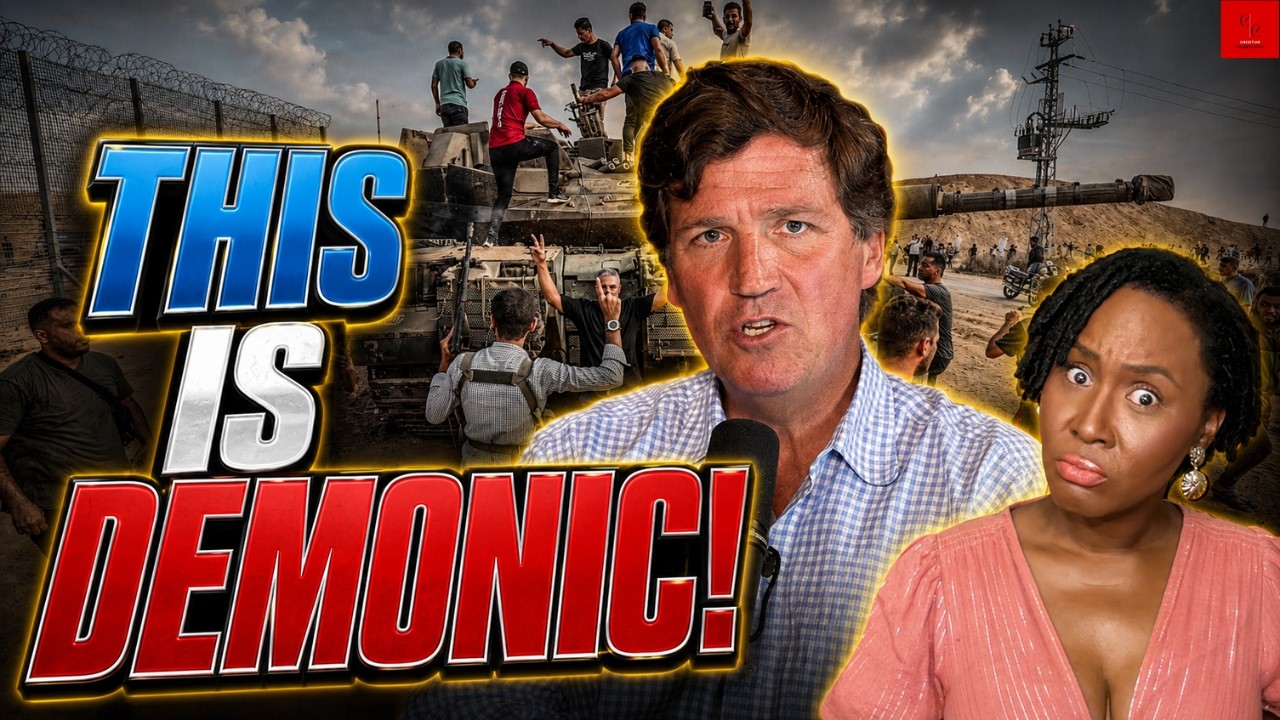
Tucker Carlson’s recent remarks rejecting his own post-9/11 views on Islam have reignited a fierce debate among Christian conservatives who believe the threat of radical Islamic terrorism remains very real and increasingly misunderstood. What began as a reflection on fear and media narratives following the September 11 attacks quickly became a broader argument over national security, religious truth, immigration, and the role of Christianity in public life.
Carlson acknowledged that in the years after 9/11 he viewed Islam itself as the central threat facing the West. He now argues that those fears were exaggerated and that broad assumptions about Muslims were misguided. For many Christian conservatives, however, that reversal represents more than a change in political analysis. They see it as part of a larger trend in which concerns about radical Islam are increasingly dismissed as prejudice rather than debated on their merits.
The disagreement centers on a distinction many conservatives insist must be made clearly: opposition to terrorism and extremist ideology is not the same thing as hostility toward individual Muslims. Critics of Carlson argue that ignoring documented attacks carried out by jihadist organizations risks repeating mistakes already visible in parts of Europe where debates over immigration, integration, and national identity have become politically explosive.
Nigeria is frequently cited as an example by Christians concerned about Islamist violence. Christian communities there continue to face attacks from extremist groups, making the issue feel less theoretical and more immediate for believers around the world.
The conversation also touched on immigration and assimilation in the United States, particularly in large cities where demographic changes are reshaping local politics. Christian conservatives increasingly argue that government exists to protect constitutional rights and maintain order, not to redefine national identity or serve as a vehicle for ideological transformation.
For many in this audience, the debate ultimately moves beyond politics and into theology.
Christian doctrine teaches that salvation comes through Jesus Christ alone, a belief rooted in passages such as John 14:6. Because Islam rejects the divinity of Christ and the Christian understanding of the Trinity, many believers view the two faiths as fundamentally incompatible at the theological level while still supporting religious liberty under the Constitution.
Israel also remains central to this worldview.
Many evangelical Christians believe Israel holds continuing biblical significance and point to passages in Zechariah and Revelation when discussing modern events in the Middle East. While criticism of Israeli governments or policies is considered legitimate political debate, many believers distinguish that from hostility toward the existence of Israel itself or toward the Jewish people as a whole.
Underlying the entire discussion is a growing conviction among Christian conservatives that Western culture is experiencing a period of spiritual confusion and moral uncertainty.
Their response is not simply political activism. It includes deeper church involvement, stronger community ties, greater civic participation, and renewed emphasis on evangelism and discipleship. Whether discussing foreign policy, immigration, education, or culture, many believe Christians have a responsibility to remain engaged rather than retreat from public life.
For those believers, the challenge is not merely winning elections or arguments. It is remaining faithful to biblical convictions in a culture they believe is changing rapidly around them.