

South Side Chicago Pushes Back Against Obama Presidential Center Amid Displacement Concerns
The grand opening of the Obama Presidential Center was billed as a celebration of legacy, leadership, and community investment. Instead, it has reignited a growing debate across Chicago’s South Side over rising costs, neighborhood displacement, and whether the project has delivered on its promises to longtime residents.
While national media coverage focused on celebrity appearances, political dignitaries, and the historic significance of the center, many local residents were asking a far different question: Who actually benefited from this project?
That frustration was on full display as community activists and residents publicly demanded accountability from former President Barack Obama and former First Lady Michelle Obama. Critics argued that the development has accelerated gentrification pressures in surrounding neighborhoods, particularly in South Shore, where rising property values and increased investor activity have left many longtime residents concerned about their future.
For many urban conservatives, the controversy highlights a familiar pattern. Large-scale development projects are often promoted as investments in underserved communities, yet the people who have lived in those neighborhoods for generations frequently face higher rents, increased property taxes, and mounting pressure to relocate.
The concerns surrounding the Obama Presidential Center extend beyond symbolism. Critics point to reports of increased real estate speculation and growing affordability challenges in nearby communities since plans for the project were first announced. Supporters view the center as a catalyst for economic growth and tourism. Opponents counter that economic growth means little if the residents who built the neighborhood can no longer afford to remain there.
The controversy also exposes a broader political contradiction. Progressive leaders often speak passionately about protecting vulnerable communities, fighting displacement, and preserving neighborhood character. Yet opponents argue that projects backed by political and cultural elites can produce many of the same outcomes they routinely criticize elsewhere.
Adding to the criticism was the star-studded nature of the opening celebration. The event featured prominent celebrities, wealthy donors, and political figures from across the country. For critics, the optics reinforced the perception that the center serves as much as a monument to political prestige as it does a resource for everyday Chicagoans.
Underlying much of the backlash is a deeper disagreement about the narrative surrounding America’s history and progress. During remarks connected to the opening, discussions of the nation’s founding and its imperfections once again became a focal point. Critics argued that such rhetoric often emphasizes America’s failures while overlooking the country’s capacity for self-correction, including the sacrifices made throughout its history to expand freedom and opportunity.
For many residents, however, the debate is less ideological and more practical. They want answers about affordability, neighborhood stability, and whether local families will benefit from future development. Those concerns are difficult to dismiss, particularly in a city already struggling with crime, economic inequality, and population loss.
The larger lesson may be that legacy projects cannot be judged solely by architectural design, celebrity endorsements, or political symbolism. Their success ultimately depends on whether the communities they claim to serve are stronger, safer, and more prosperous because of them.
As the Obama Presidential Center prepares to become a permanent fixture on Chicago’s South Side, the debate surrounding it is unlikely to disappear. Residents, taxpayers, and community leaders will continue asking whether the project fulfilled its promises—or simply transformed the neighborhood in ways many never requested.



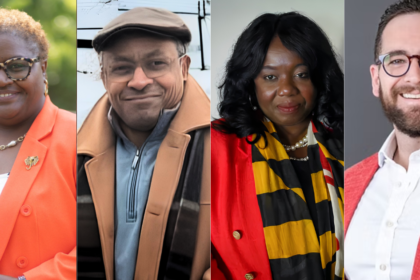


Obama Presidential Center Faces Backlash as South Side Residents Question Who Really Benefited
Chicago residents raise concerns about gentrification, displacement, and rising costs as the Obama Presidential Center opens its doors.